Spain’s High-Speed Coffin: The Terminal Efficiency of Modern Rail

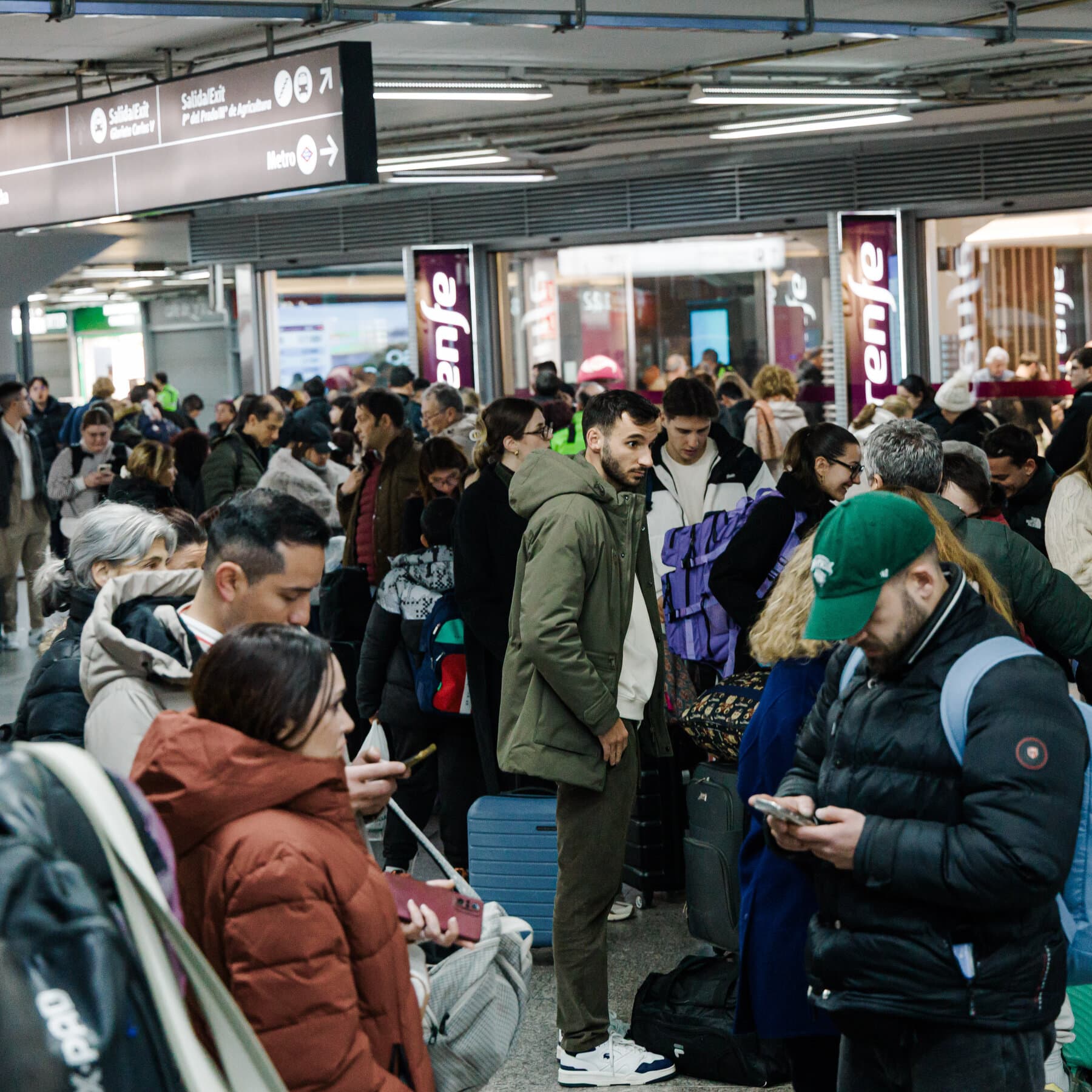
The miracle of the Spanish high-speed rail, the AVE, has finally achieved its logical conclusion: total, motionless silence. Following a spectacular display of kinetic energy in the south, where one high-speed train decided to physically interrogate the structural integrity of another, the authorities have done the only thing they know how to do when reality contradicts their brochures—they’ve shut the whole thing down. At least thirty-nine people have been liberated from the tedious necessity of breathing because two multi-million dollar projectiles were permitted to occupy the same physical coordinates at three hundred kilometers per hour. It is, in every sense, a masterpiece of administrative failure.
The response from the Spanish rail authority is a masterclass in bureaucratic cowardice. By closing the network, they aren't protecting the public; they are simply admitting that they have no idea how to operate the toys they bought with European Union subsidies. It’s the logistical equivalent of a toddler breaking a vase and deciding that, henceforth, the house will no longer contain floors. They call it a 'safety measure,' but we know it for what it is: an intellectual bankruptcy filing. When your primary achievement is making the trains run on time, it’s a bit of a PR disaster when they run into each other instead. The southern tracks are now a graveyard of sleek white metal and shattered glass, soaking up the Andalusian sun while the bureaucrats in Madrid sharpen their pens to write the most expensive apology notes in history.
Naturally, the political ecosystem is responding with its usual predictable rot. On the Left, we have the performative mourners, clutching their pearls and droning on about 'underfunding' and 'public infrastructure neglect.' They suggest that if only we had taxed the rich a little more, the laws of physics would have kindly looked the other way. They want more committees, more oversight, and more middle-managers with clipboards to ensure that the next time a train derails, it does so with the proper diversity and inclusion permits. On the Right, the narrative is equally moronic, pivoting toward 'labor inefficiency' or 'union sabotage,' as if a private corporation would have somehow made the collision more profitable for the shareholders. They ignore the fact that greed is the primary fuel for these high-speed vanity projects in the first place.
Let’s address the concept of 'high speed' itself. We have spent billions and sacrificed decades to the altar of velocity, as if getting from Seville to Madrid twenty minutes faster would somehow make the people at either end less miserable. We have optimized our transit for a society that has absolutely nowhere worth going. We are in a frantic rush to reach destinations that are identical to the ones we just left, and then we act surprised when the complex systems we built to sustain this delusion collapse under the weight of their own pointless momentum. These thirty-nine deaths aren't a tragedy; they are a tax. They are the price we pay for the arrogance of thinking we can automate competence.
The closure of the southern rail network provides a rare moment of honesty in an otherwise fraudulent world. For a few days, the tracks will be empty, and the olive groves will be quiet. There will be no aerodynamic tubes screaming through the countryside, carrying bored commuters toward their next disappointment. This is the only 'safety' the government can actually guarantee: the safety of stagnation. If you don't move, you cannot crash. It is a philosophy that the Spanish state—and indeed the entire decaying structure of the West—has mastered. Total paralysis is the only way to ensure that nothing goes wrong, because it ensures that nothing happens at all.
As the investigators sift through the 'black boxes'—those digital historians of our collective stupidity—they will find the usual cocktail of technical glitch and human distraction. A sensor failed, a computer blinked, or a driver was thinking about his lunch. It doesn’t matter. The underlying cause is always the same: we have built a world that is too fast for the primate brains running it. We are monkeys playing with lightning, and we have the audacity to be offended when we get burned. The Spanish rail network is not a victim of an 'accident'; it is a victim of the delusion that we are in control of the monsters we build to save us from our own boredom.
In the end, the tracks will reopen, the politicians will finish their somber speeches, and the public—bless their short-memory hearts—will climb back into the metal tubes. They will sit in their ergonomic seats, plug in their headphones, and pray that the next time the system fails, it won't be their turn to be the lead story on the evening news. After all, what’s a little risk of incineration when you can save half an hour on your way to a meeting that could have been an email? The silence in the south won't last. Incompetence is far too profitable to stay quiet for long.
This story is an interpreted work of social commentary based on real events. Source: NY Times