BBC in Tehran: Unmasking the Regime's 'Political Reply' to Mass Protests

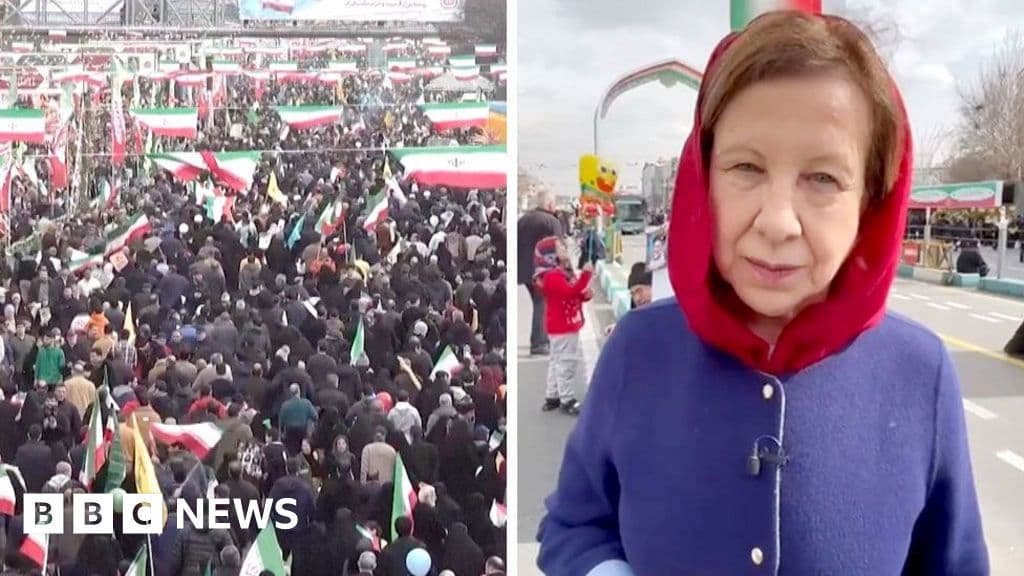
So, the **BBC** is back in **Tehran**. Big deal. They sent their Chief International Correspondent, **Lyse Doucet**, to the Iranian capital for the first time since the **mass protests** ignited. Everyone is making a fuss about this exclusive access. They act like getting a camera crew into a country known for **media censorship** is some kind of miracle. It isn't. It is a calculated move. It is a show. And if you buy a ticket to this show, you are the sucker.
Here is the reality of the situation: The **Iranian government** let the BBC back in for a reason. They didn't do it because they suddenly love **freedom of the press**. They didn't do it because they want to have an honest chat about their feelings. They did it because they think they have won. They looked at the streets, saw that they had arrested or scared enough people into silence, and decided it was time to take a victory lap. That is what this is. It is a victory lap on a track made of broken dreams.
They call it a "political reply." That is the phrase being tossed around regarding the new murals and propaganda appearing across the city. A political reply to the **anti-government demonstrations** that shook the country. Think about those words for a second. Use your brain. What is a "political reply" when you are a government that holds all the guns? It isn't a speech. It isn't a new law that helps people. It is marketing. It is branding.
The government puts up billboards. They paint murals on the walls. They hang flags. They want the cameras to see the nice, calm streets. They want the reporter to stand there and say, "Look, everything is under control." And in a way, they are right. It is under control. But it is the control of a prison warden, not a mayor. It is the quiet of a graveyard, not a library. When you beat people down long enough, eventually they stop shouting. Then you invite the news crew over to film the silence and call it peace.
I am sick of watching this same game play out everywhere. It happens in the West, and it happens in the East. Politicians are all the same species of rat. They just wear different coats. In the West, they silence you with noise and nonsense and debt. In places like Iran, they use a heavier hand. But the goal is the same. They want you to shut up and go to work. They want you to stop asking questions.
This "political reply" is just a coat of fresh paint on a rotting house. The reporter is there to look for the story, but the real story is what you don't see. You don't see the anger that is still boiling under the surface. You don't see the people who are missing. You only see what the government wants you to see. That is the deal. You get access, but you only get to look through the window they opened for you.
The cynical part of me—which is all of me, to be honest—finds it funny how easily the world accepts this. We watch the news clips. We see the reporter walking down a busy street in Tehran. We nod and say, "Oh, things have calmed down." Have they? Or did the boot just press down harder? We have the memory of a goldfish. The screams of the protests were loud just a few months ago. Now, because the TV shows us a quiet street, we think it's over.
It is never over. The people in charge will always want more power. The people at the bottom will always be tired and broke. That is the history of the world in two sentences. This trip by the BBC is just a scene in a movie we have all watched a thousand times. The government acts tough. The people suffer. The media flies in to take pictures of the aftermath. Then everyone goes home, and nothing changes.
Don't let them fool you with fancy words like "political reply." It means nothing. It is noise. It is a way to make oppression sound like a debate. There is no debate. There is just power. There are those who have it, and those who get crushed by it. Right now, the cameras are rolling in Tehran to show you exactly who has the power. And spoiler alert: it isn't you, and it isn't the people walking on those sidewalks.
***
### References & Fact-Check * **Primary Source:** [Watch: BBC in Tehran sees government's 'political reply' to massive protests](https://www.bbc.com/news/videos/cewz2lxq2gvo?at_medium=RSS&at_campaign=rss) (BBC News). The original report features Lyse Doucet analyzing the visual changes in Tehran's streets. * **Context:** The phrase "political reply" refers to the Iranian regime's strategy of replacing protest slogans with state-sanctioned murals and ideological billboards. * **Subject Matter:** This article interprets the recent media access granted to Western journalists following the 2022-2023 Mahsa Amini protests.
This story is an interpreted work of social commentary based on real events. Source: BBC News