Bangladesh Election 2026: Rolling the Dice on Democracy After the Student Movement
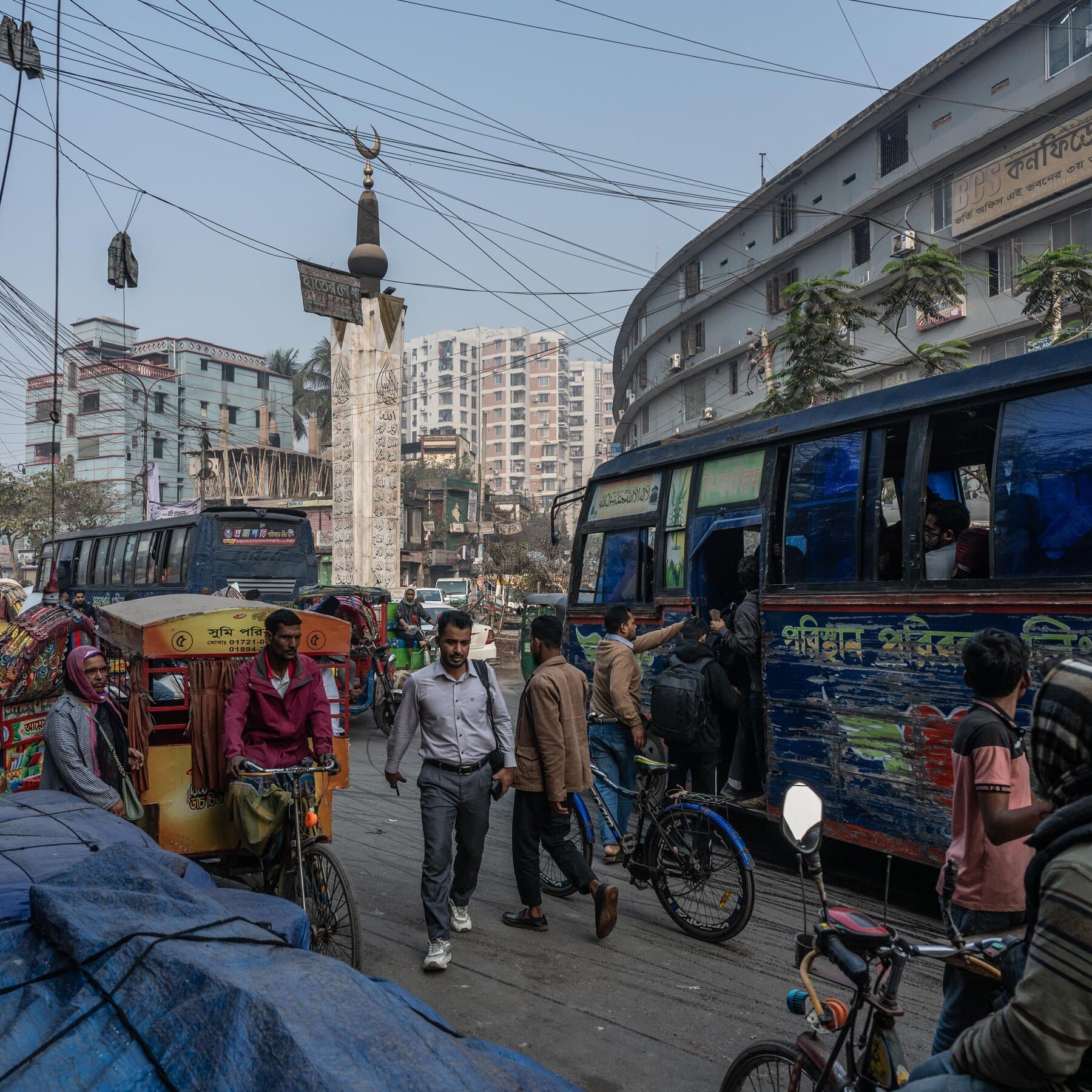
So, here we are again. As the world turns its eyes to the **Bangladesh Election 2026** scheduled for this Thursday, the nation prepares to stand in line. They are going to mark pieces of paper and dip their fingers in ink, participating in what the international community calls a crucial test of democracy. They are going to pretend, for just one bright and shining moment, that their voices actually matter in the grand, messy theater of the world. It is the country’s first national poll since the historic **2024 student movement** altered the political landscape. That feels like a lifetime ago, doesn’t it? But in the slow, grinding gears of history, it was just yesterday.
Let us remember how we arrived at this **polling schedule**. It wasn't through polite meetings or calm discussions over tea. It happened because the streets were on fire. In 2024, a massive coalition—young people with too much hope and not enough fear—decided they had enough. They pushed, they shouted, and they actually managed to kick the prime minister out. It was a rare moment where the little guy won. It was inspiring. It was loud. It was chaotic. And now, the dust has settled, and the boring reality of **political reform** has set in. The party is over, and now someone has to clean up the mess.
This is the problem with revolutions. They are exciting to watch on television. They make you feel like the world is changing. But once the old boss is gone, you have to find a new boss. And history has a very cruel sense of humor. Usually, the new boss looks a lot like the old boss, just with a different haircut and a new slogan. The students cleared the stage, but the actors waiting in the wings are usually the same old tired politicians who have been ruining things for decades.
Think about the absurdity of it. We call this "democracy." We treat it like a holy ritual. The West loves to watch countries like Bangladesh hold elections. It makes everyone feel better. "Look," they say, "they are voting! Everything is fixed!" But voting is not a magic wand. You cannot fix a broken car just by painting it a new color. Bangladesh has deep problems—poverty, corruption, systems that don't work—and none of that goes away just because people put a ballot in a box on a Thursday.
The cynical part of me—which is to say, all of me—wonders what the point is. The people of Bangladesh are tired. They have seen governments come and go. They have been promised the moon and the stars, and usually, they just get higher prices for rice and more traffic in the streets. Yet, the **voter turnout** is expected to be high. They will line up. They will vote. Why? Because the alternative is giving up completely, and humans are stubbornly hopeful creatures. It is almost tragic how much they want to believe this time will be different.
And let’s look at the timing. Thursday. A random day in the middle of the week to decide the fate of millions. The bureaucracy loves to make these things feel official. They love the forms, the stamps, the rules. It makes them feel important. While the students who fought in 2024 wanted real change, the system just wants to get back to business as usual. The system wants a leader it can control, a budget it can steal from, and a public that stays quiet until the next election.
It is a cycle that never really ends. One leader gets too greedy, the people get angry, the leader leaves, and a new one comes in to start the cycle all over again. It is like watching a hamster run on a wheel. The hamster thinks he is going somewhere new because he is running very fast. But we, watching from the outside, know he is just spinning in place. The energy of the 2024 student movement was real, but energy dissipates. Bureaucracy, on the other hand, is forever. It is thick, slow, and impossible to kill.
So, as the world watches Bangladesh go to the polls, save your applause. Do not cheer for the "triumph of democracy" just yet. Wait and see what happens when the voting centers close. Wait and see who counts the votes. Wait and see if the new government actually listens to the students who put them there, or if they just buy new cars and build higher fences. My guess? The fences will get higher. They always do.
***
### References & Fact-Check * **Original Event:** This satirical interpretation is based on the upcoming Bangladesh national elections scheduled for Thursday, February 14, 2026. * **Historical Context:** The commentary references the massive 2024 student-led protests that resulted in the resignation of the former Prime Minister, a verified historical event leading to the current interim government transition. * **Source Material:** For the baseline reporting on the election schedule and candidates, please refer to the New York Times article: [The Bangladesh Elections Are on Thursday. Here’s What to Know.](https://www.nytimes.com/2026/02/11/world/asia/bangladesh-elections.html)
This story is an interpreted work of social commentary based on real events. Source: NY Times