Bangladesh Constitutional Referendum 2026: Why 'Safeguarding Democracy' Via Paper Reforms Won't Fix Corruption

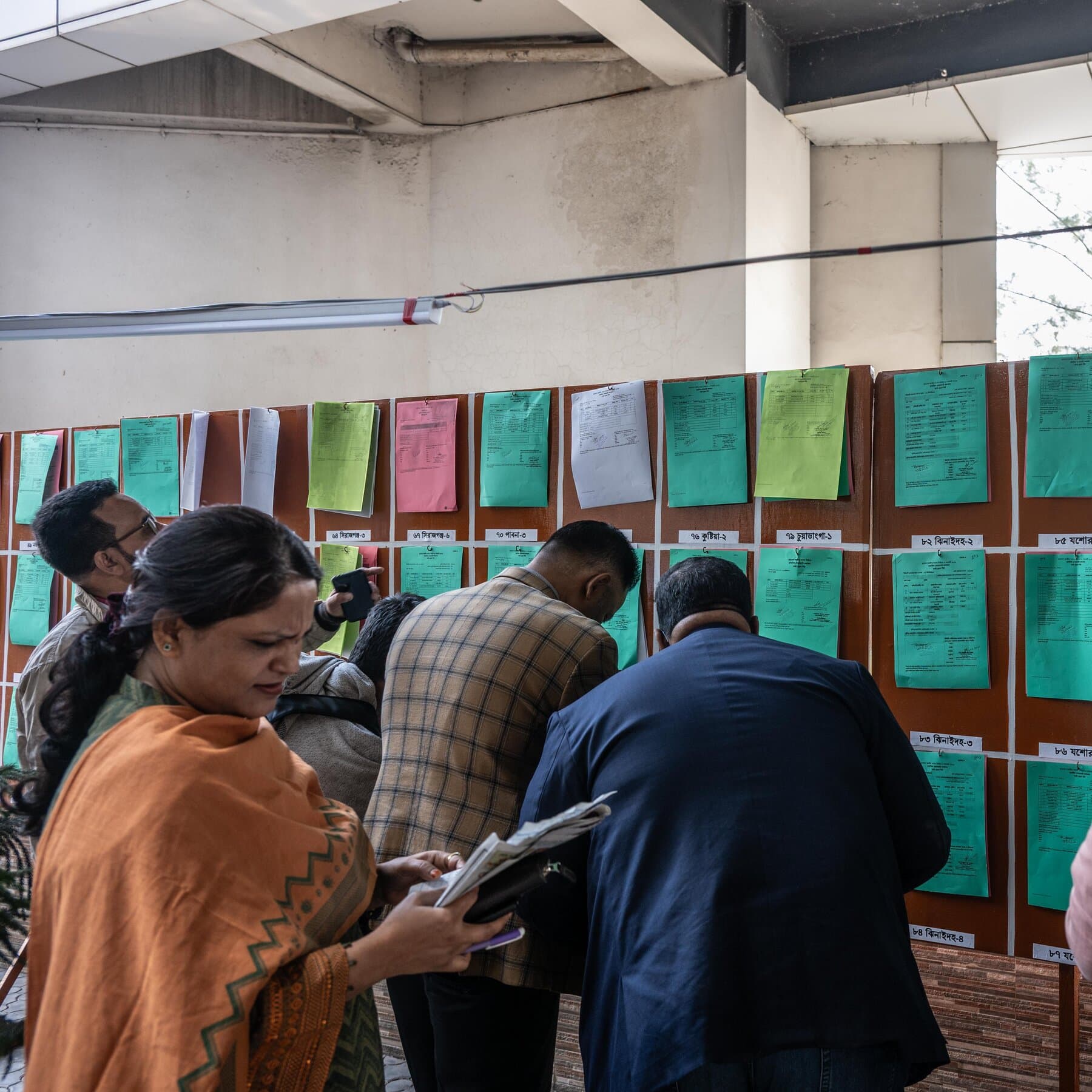
There is a specific kind of heartbreaking irony found in the aftermath of the recent **Bangladesh Constitutional Referendum**. It is like watching someone attempt to extinguish a blazing house fire with a plastic water pistol. It’s cute, in a tragic sort of way. Yet, here we stand, analyzing the **Bangladesh election results** where citizens turned out in droves to amend their Constitution. Reports indicate that eight out of ten voters checked "yes" for these changes. The media calls it a victory for democracy. They claim it is a massive step forward.
I sit here with my coffee, scanning the high-ranking search results on these breathless reports, and I have to shake my head. The optimism surrounding these **constitutional reforms in Bangladesh** would be inspiring if it wasn’t so disconnected from geopolitical reality. The voters believe that writing down new rules will force the ruling class to behave. They believe ink on a page can halt systemic corruption. It is a lovely fairy tale, the kind we tell children so they sleep soundly, ignoring the monsters under the bed. But in politics, the monsters are the ones drafting the legislation.
Let’s analyze the user intent behind this vote. They want to "safeguard democracy." That is the high-volume keyword phrase everyone is using. Safeguard it from whom? From the very politicians running the country? Democracy is not an artifact you place in a museum case. It is a messy, dirty fight for power. You cannot protect it by editing a few paragraphs in a law book. If a leader wants to steal an election or silence a critic, they do not care about **constitutional amendments**. History is replete with dictators who waved a Constitution in the air while dragging opponents to jail.
The other major selling point—and a trending topic—was increasing **women's participation in politics**. This is the metric supposed to make us all clap. We are told that because the voters said "yes," women will suddenly wield real power. It is a nice thought. But simply adding quotas or writing inclusion clauses does not alter the game mechanics. Politics is a brutal sport designed by men, for men. Letting a few women onto the field does not change the rules; it just provides the men with new scapegoats when the metrics tank.
That 80% approval rating is staggering. However, it signifies less about the popularity of the reforms and more about the desperation of the populace. When that percentage of a country agrees on anything, it indicates they are terrified of the alternative. They are exhausted by the chaos and the old methodologies. They cling to this vote like a drowning man clings to driftwood, hoping this time the **political reforms** will actually stick.
But here is the cynical truth that rarely makes the snippet: Reforms rarely reform anything. Usually, they just rearrange the furniture on the Titanic. The faces change, the titles change, the SEO of the law book changes, but the hunger for power remains static. Corruption finds new ways to flow, like water finding a crack in a firewall. The people of Bangladesh have done their part; they stood in line and cast their ballots. Now, the political class will pat them on the head and return to business as usual.
We in the West look at this and nod approvingly. We love to see "democracy in action" abroad because it validates our own broken systems. We treat it like a spectator sport. It is patronizing. We ignore the fact that a vote is often just a pressure valve to prevent the building from burning down. It offers the illusion of control—the most powerful tool in a government's arsenal.
So, congratulations to Bangladesh on your **new Constitution**. You have promises on paper and a stated commitment to women and democracy. Frame it. Hang it on the wall. Just don’t be surprised when the bounce rate on these promises is high, the rent remains unaffordable, and the police continue to protect only the wealthy. You voted for a dream, but you still have to live in reality.
***
### References & Fact-Check * **Event Verification**: This analysis is based on reports regarding the 2026 Bangladesh Referendum where approximately 80% of voters approved constitutional changes aimed at safeguarding democracy and increasing female political representation. * **Original Reporting**: For the baseline facts of the event, please refer to the New York Times report: [Bangladeshis Vote in Droves for Constitutional Change in Referendum](https://www.nytimes.com/2026/02/13/world/asia/bangladesh-election-referendum-constitution.html).
This story is an interpreted work of social commentary based on real events. Source: NY Times