The Great American Wallet-Clench: Charity Dies When the Tax Breaks End
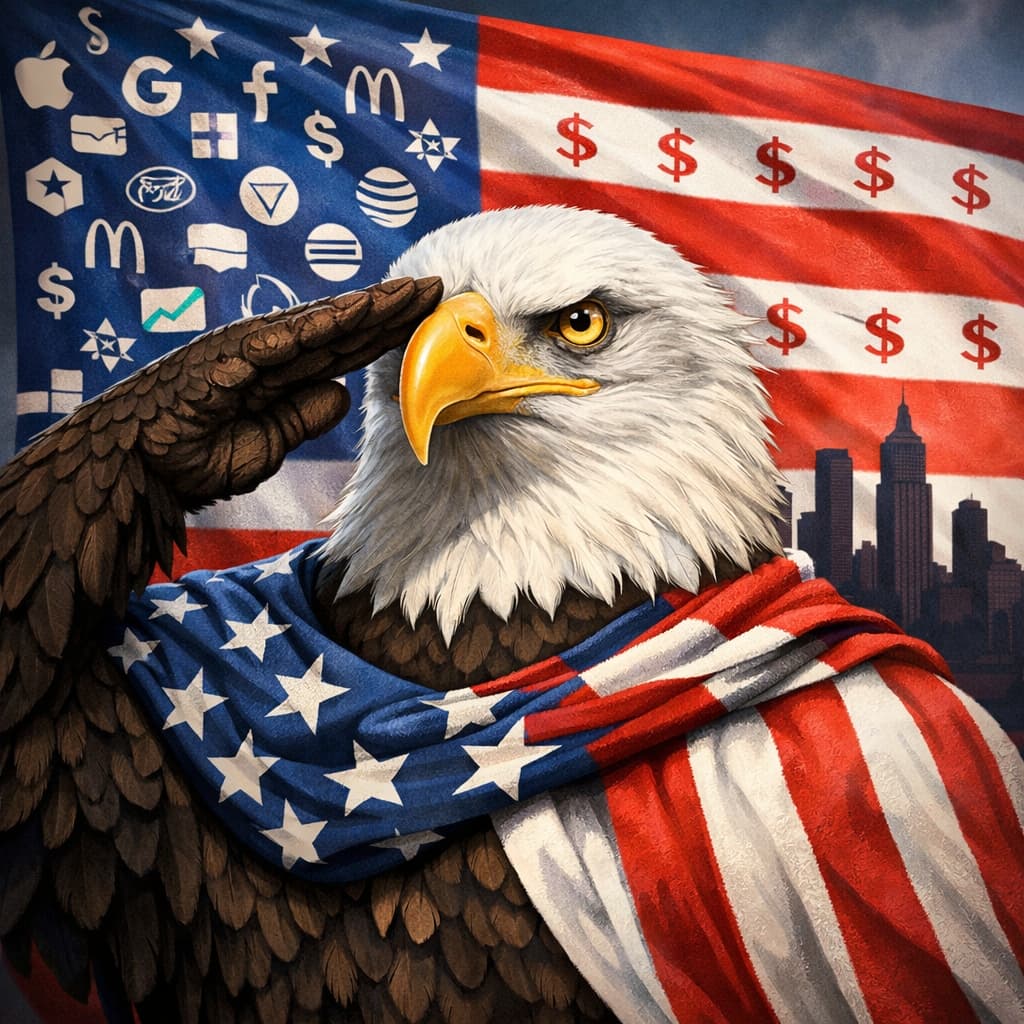

It appears that the myth of American generosity has finally collided with the brick wall of American reality. According to the latest hand-wringing reports circulating through the non-profit industrial complex, charitable giving in the United States is in a precipitous freefall. The headlines are screaming about a decline in donations, and the experts are baffled, scratching their heads in performative confusion as if the answer weren't staring them in the face with the dull, lifeless eyes of a late-stage capitalist consumer. The narrative, naturally, tries to find a convenient villain. For years, the lazy analysis has been to point a trembling finger at Donald Trump, blaming the 'mean-spirited' political climate for the sudden closure of the national checkbook. But to pin this entirely on the Orange Man is to give him far too much credit and to absolve the collective American soul of its inherent, structural rot.
The decline of philanthropy is not a political blip; it is a revelation of character. The data suggests that fewer households are giving than ever before. We are witnessing the end of the illusion that Americans help their neighbors out of the goodness of their hearts. They helped their neighbors because the IRS incentivized it. Let’s be brutally honest about the mechanism of American altruism: it has always been a transaction. You give a thousand dollars to the local food bank, you get a deduction, and you get to feel superior to the people standing in line for the soup. It was a purchase of moral high ground with a government rebate. But recent changes to the tax code—specifically the doubling of the standard deduction—removed the financial incentive for the middle class to itemize. Suddenly, the tax break for being a 'good person' evaporated. And lo and behold, so did the goodness.
It is a delicious irony, isn't it? As soon as the government stopped paying Americans to care, Americans decided that caring was simply too expensive. This exposes the uncomfortable truth that the Right refuses to admit and the Left is too terrified to confront: there is no such thing as selfless charity in this country. It is all calculated. The moment the ledger doesn't balance in favor of the donor, the wallet snaps shut with the force of a bear trap. We are seeing a return to the baseline of human nature, which is greedy, hoarding, and deeply suspicious of anyone asking for a handout. The veneer of the 'shining city on a hill' has peeled away to reveal a gated community where everyone has turned off their porch lights and is hiding in the basement with their Amazon packages.
Of course, we cannot ignore the economic reality that serves as the backdrop for this miserliness. Inflation has turned the dollar into a suggestion rather than a currency. The average American is looking at the price of eggs and deciding that the orphans will just have to pull themselves up by their bootstraps this year. But let’s not pretend this is purely about survival. Americans still have money; they are just spending it on themselves. The consumer economy is chugging along, fueled by debt and dopamine. We aren't giving to charity because we have replaced the act of giving with the act of 'raising awareness.' Why write a check to fight cancer when you can retweet a sad video and feel the same rush of endorphins? We have gamified virtue. We have traded financial support for digital solidarity, which costs nothing and accomplishes even less. The decline in giving coincides perfectly with the rise of performative social media activism. We have decided that 'thoughts and prayers' were too religious, so we replaced them with 'likes and shares,' which are equally useless but generate better ad revenue for Silicon Valley.
Furthermore, the cynicism of the average citizen has reached terminal velocity. The public looks at the billionaire class—the tech bros and hedge fund ghouls—and sees them pouring billions into their own vanity foundations. They watch the ultra-rich use 'philanthropy' as a PR shield to distract from their monopolies and labor violations. The average person, sitting at their kitchen table trying to decide which bill to pay late, looks at these titans of industry and thinks, 'Why should I donate my last twenty dollars to save the rainforest when Bezos could buy the entire Amazon basin with the interest his accounts earned while I was sleeping?' It is a fair question. The democratization of giving has collapsed because the disparity of wealth has made the average donation feel mathematically insignificant. Why participate in a system where your sacrifice is a rounding error for the ruling class?
This is not a temporary dip. This is a cultural correction. We are shedding the pretense of community. The decline in giving is merely a symptom of a society that has decided we are not, in fact, in this together. We are isolated economic units fighting for scraps, and the charitable spirit was just a luxury we indulged in when the credit was cheap and the tax code was friendly. Now that the ride is over, we are seeing the real America: a place where you are on your own, and the only charity you can expect is the kind that comes with a receipt.
This story is an interpreted work of social commentary based on real events. Source: The Economist