THE SEMANTIC SLOP OF 'CHOICEFULNESS': HOW TO REBRAND DESTITUTION AS A LIFESTYLE TREND
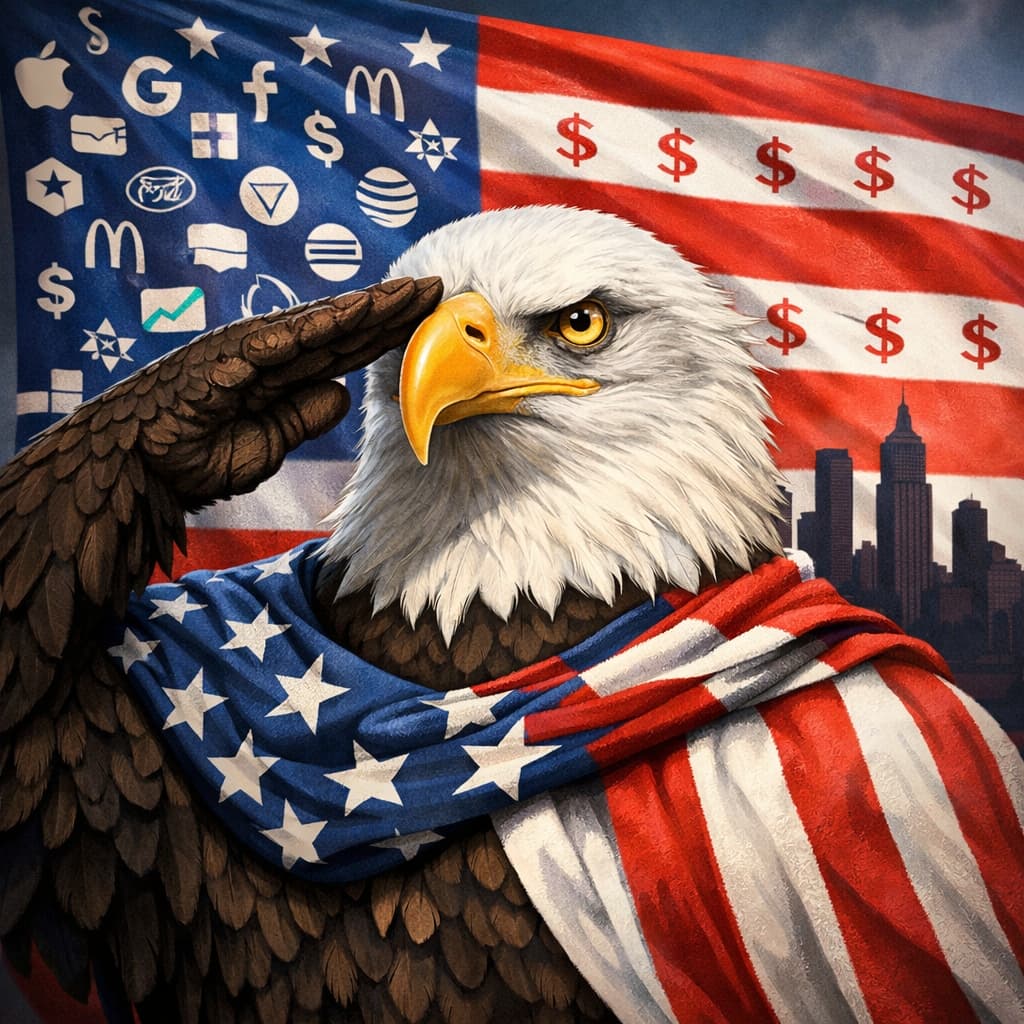
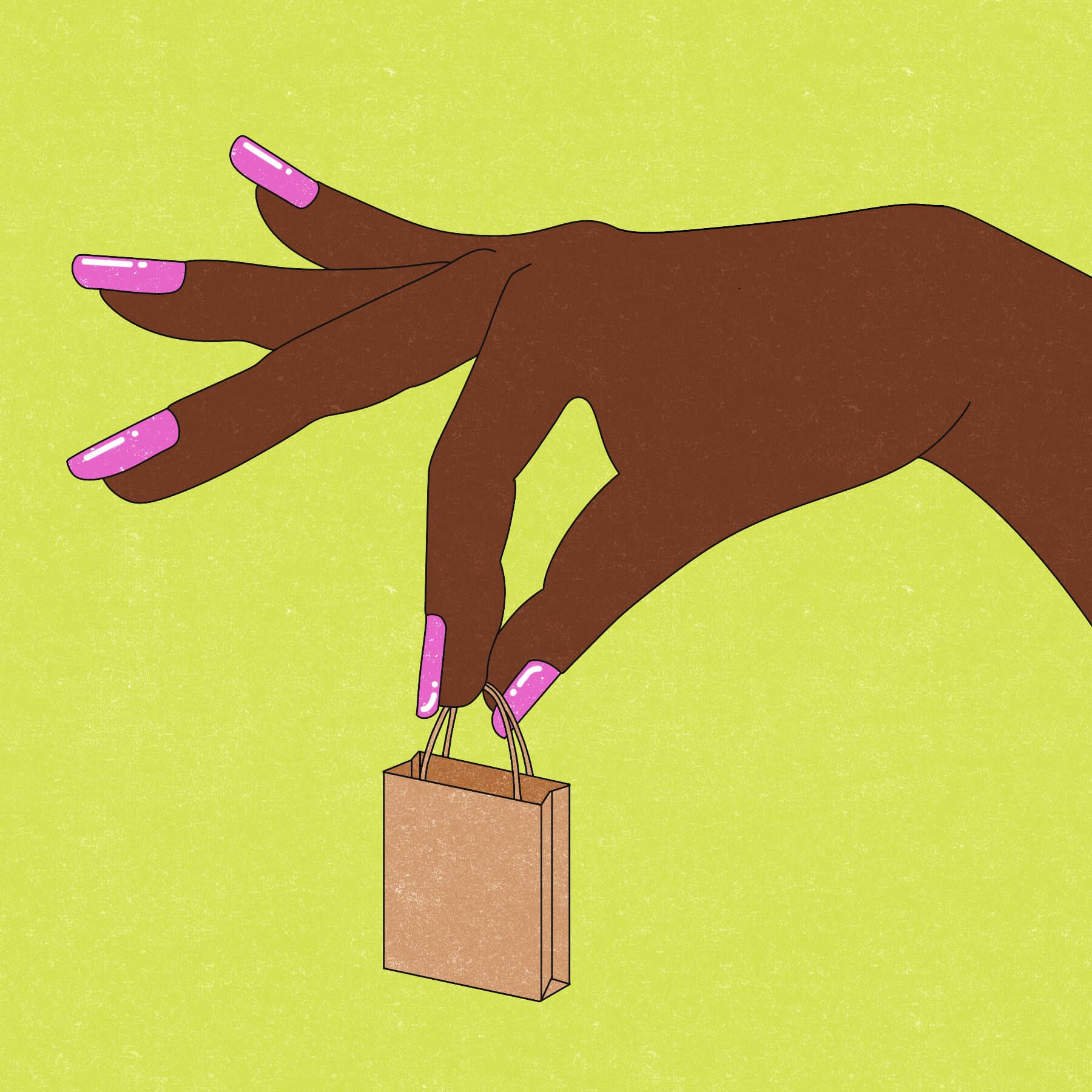
Welcome to the latest episode of 'How to Lie with Adjectives,' a long-running sitcom produced by the ghouls in the C-suite and starring the various empty-headed conduits we call 'retail analysts.' The current season features a delightful new bit of linguistic alchemy: the word 'choiceful.' According to the latest batch of earnings calls from the titans of American commerce, you aren't actually struggling to pay for eggs while your landlord calculates exactly how much blood he can squeeze from your cooling corpse. No, you are simply being 'choiceful.' It is a magnificent, nauseating pivot from the previous buzzword, 'inflation-weary,' which apparently carried too much of a whiff of the breadline. 'Choiceful' implies agency. It suggests a boutique experience. It suggests that your decision to skip the $14 artisanal mayonnaise is a sophisticated act of curation rather than a desperate attempt to keep the lights on for another three days.
Let’s deconstruct the sheer, unadulterated cynicism required to utter this word with a straight face. When a CEO looks at a spreadsheet showing a decline in sales of basic necessities and tells a room full of parasitic investors that the consumer is being 'choiceful,' they are performing a ritual of profound obfuscation. They cannot admit that their predatory pricing strategies have finally hit the ceiling of human endurance. That would imply a failure of the model. Instead, they frame the retreat of the American consumer as a psychological shift—a new, trendy way of engaging with the market. It is the linguistic equivalent of a spray-tan on a corpse. The corpse is still dead, but at least it looks like it just returned from a very selective, 'choiceful' vacation in the sun. The executives at these megacorps—those bloated ticks in Zegna suits who haven’t stepped foot in a grocery store without a security detail in a decade—are desperate to convince the world that the gears of the machine are still turning, even as the smoke billows from the engine.
On the other side of this pathetic coin, we have the consumers themselves. Oh, how I despise the term 'consumer.' It reduces the entirety of the human experience to the act of masticating products. Yet, here we are, playing along with the 'choiceful' narrative. The average citizen, perpetually distracted by the performative screaming of the political Left and the moronic, greedy chest-thumping of the Right, accepts these linguistic crumbs without a second thought. The Left will tell you this is a crisis of equity while they buy $9 lattes from a corporation that hates them; the Right will tell you it’s a failure of 'woke' marketing while they cheer for the very deregulation that allows these companies to poison the water supply. Neither side has the intellectual furniture to realize they are both being mocked by a nomenclature that treats their impending poverty as a personality trait. You aren't broke; you’re just 'curating' your budget. You aren't starving; you’re practicing 'intermittent choicefulness.'
The irony is that 'choice' is the one thing the modern market has systematically eliminated. We have the illusion of choice—forty brands of toothpaste owned by the same two parent companies—but the choice to simply exist without being bled dry by a subscription-based economy is no longer on the menu. The 'choiceful' consumer is a myth created to keep the stock price from cratering. If the market admitted that the public is tapped out, the house of cards would collapse. So, instead, we get this theater of the absurd. Analysts nod their heads, scribbling 'choiceful' into their reports, while the C-suite celebrates another quarter of 'strategic price adjustments.' It is a feedback loop of delusion that would be hilarious if it weren't so profoundly bleak.
Historically, when the ruling class begins to redefine the misery of the masses as a trendy new behavior, the guillotine isn't usually far behind. But we don't live in those times. We live in an era of such profound apathy and stupidity that we will likely see 'Choiceful' branded onto a line of budget-tier crackers by next fiscal year. We are witnessing the final stages of a necro-capitalist rot where language itself is cannibalized to serve the bottom line. The truth is simple, boring, and utterly devastating: the average person is tired of being fleeced, but they are too disorganized and distracted to do anything but buy a slightly cheaper brand of misery. And the executives? They’ll keep spinning these webs of semantic slop until the last dollar is extracted, at which point they will likely describe the total collapse of the economy as a 'macro-scale transition to a choice-free environment.' Sleep well, you choiceful idiots. The machine isn't broken; it's just deciding you're no longer worth the fuel.
This story is an interpreted work of social commentary based on real events. Source: NY Times