The Art of the Squeal: Tariffs, Tantrums, and the Judicial Mannequins
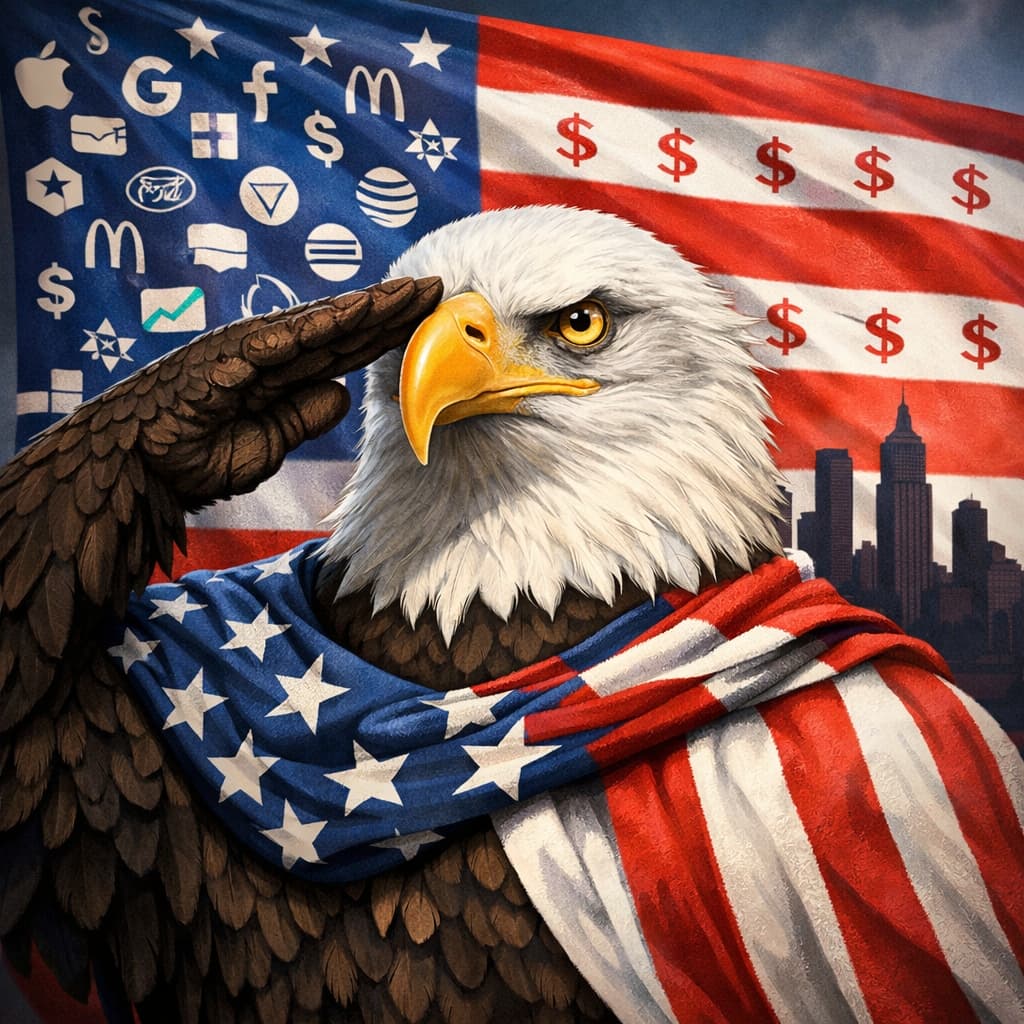
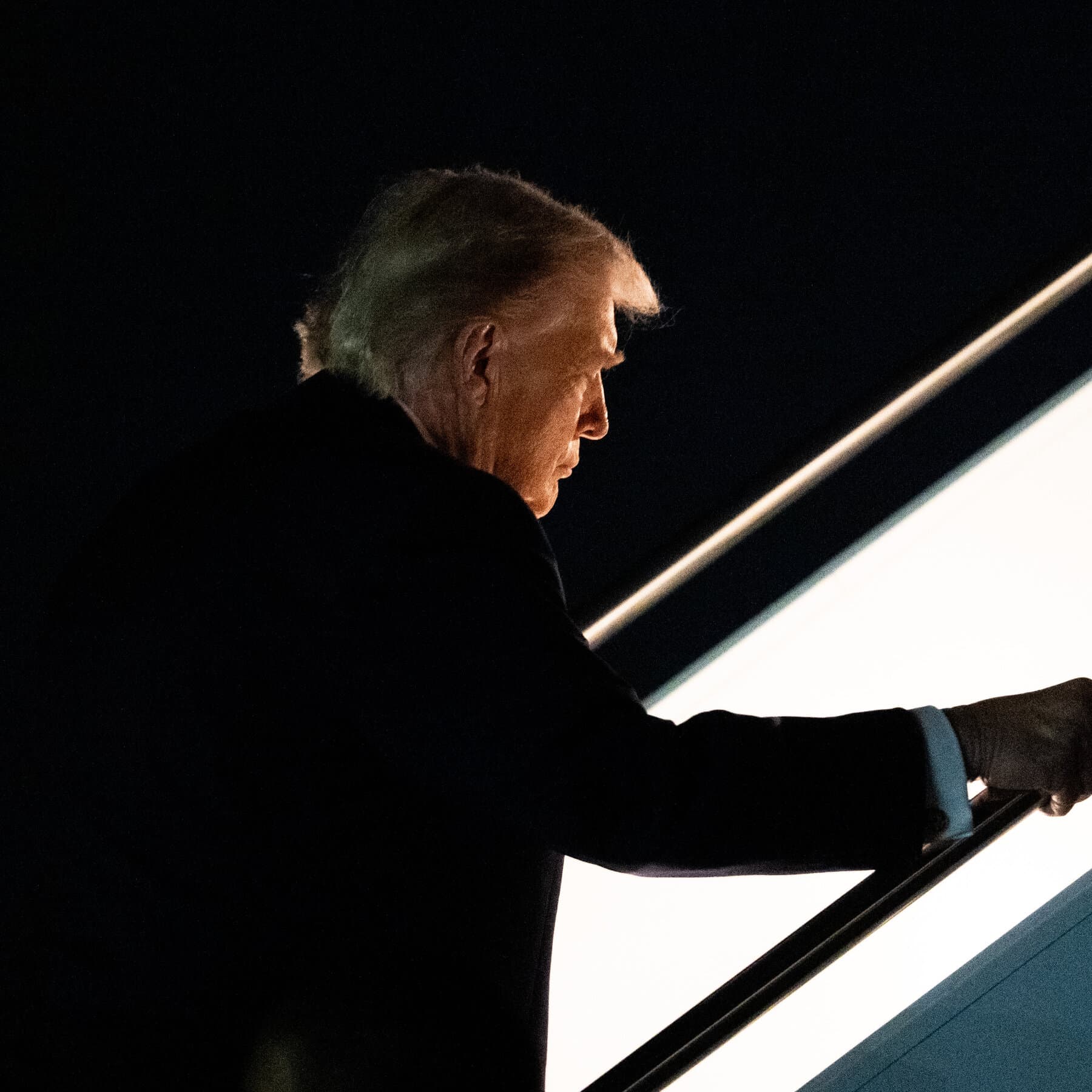
I woke up this morning to the familiar, grinding sensation of history repeating itself—not as a tragedy, and certainly not as a farce, but as a looped reality TV episode where the writers have run out of ideas and are just throwing bricks at a greenhouse. The news, in its infinite capacity to bore me while simultaneously spiking my blood pressure, informs us that President Trump is once again threatening a trade war. Meanwhile, the courts—those marble-clad mausoleums of slow-motion deliberation—are reportedly 'weighing' whether they should perhaps, maybe, possibly consider checking his authority.
It is enough to make one long for the sweet embrace of the void.
Here we are again, standing on the precipice of economic self-immolation because the Executive Branch treats the global economy like a slot machine that owes it money. The premise is simple, stupid, and timeless: apply tariffs, claim victory, and watch as the consumer—the bovine herd that votes for these charlatans—picks up the tab in higher prices. It is a tax that dares not speak its name, dressed up in the jingoistic drag of 'protectionism.' And Trump, a man whose understanding of macroeconomics seems derived entirely from the back of a 1980s cereal box, is threatening to double down. Why? Because it makes him feel powerful. Because 'tariff' is a word he can pronounce. Because he knows his base cares more about the performance of strength than the reality of their shrinking purchasing power.
But let’s not pretend this is solely a Trumpian malfunction. That would be too easy, and frankly, too generous to the opposition. The courts are currently scratching their collective chins, wondering if they have the constitutional fortitude to tell the President he cannot simply declare foreign steel a 'national security threat' because he woke up on the wrong side of the executive bed. This is the crux of the absurdity: the 'National Security' loophole. Section 232. It is the blank check that Congress—in its infinite, bipartisan cowardice—wrote decades ago. Both parties, the feckless Democrats and the spineless Republicans, handed the Executive Branch a loaded gun, and now they feign shock that someone is waving it around in a crowded theater.
I look at the legal scholars quoted in the margins of this story, and I see people rearranging deck chairs on the Titanic while the captain tries to sell the iceberg to Greenland. The Court of International Trade is 'weighing' the issue. Weighing it? While they calibrate their scales, the markets twitch and spasm. The judiciary operates on a timeline of geological epochs; the modern presidency operates on the timeline of a tweet. By the time a judge puts pen to paper to issue a stay or an injunction, the trade war will have already shifted, the prices will have already risen, and the damage will be baked into the GDP.
And let us spare a moment of disdain for the political ecosystem reacting to this. On the Right, we have the sycophants who once worshipped at the altar of Milton Friedman and free markets, now contorting themselves into pretzels to justify protectionism that would make a 17th-century mercantilist blush. They cheer for the trade war because they have replaced principles with personality cults. On the Left, we have the performative outrage machine, screaming about norms and institutions, conveniently forgetting that they love executive overreach when it's their guy holding the pen. They don't hate the power; they just hate the current user.
The reality, which I am apparently the only one willing to state without a comforting layer of euphemism, is that checks and balances are a fairy tale we tell schoolchildren. When a President decides to wreck a supply chain to look tough for a rally in Ohio, the courts are merely speed bumps made of paper. The 'check' is theoretical; the 'threat' is visceral. Trump threatens because he knows the secret that polite society tries to ignore: audacity usually beats procedure.
So, as the courts deliberate and the pundits hyperventilate, the average citizen is left to wonder why their washing machine costs twenty percent more. They won't blame the nuances of trade law or the cowardice of a Congress that abdicated its duties years ago. They will just get angrier, dumber, and more partisan. The trade war isn't just about aluminum or cars; it's a war on intelligence, and judging by the headlines, we are losing badly. The system isn't broken; it's working exactly as designed for a populace that demands entertainment over governance. Enjoy the show, and check your wallet.
This story is an interpreted work of social commentary based on real events. Source: NY Times