The Charity Pyre: South Africans Briefly Pause Mutual Loathing to Crowdfund Survival in the Eastern Cape

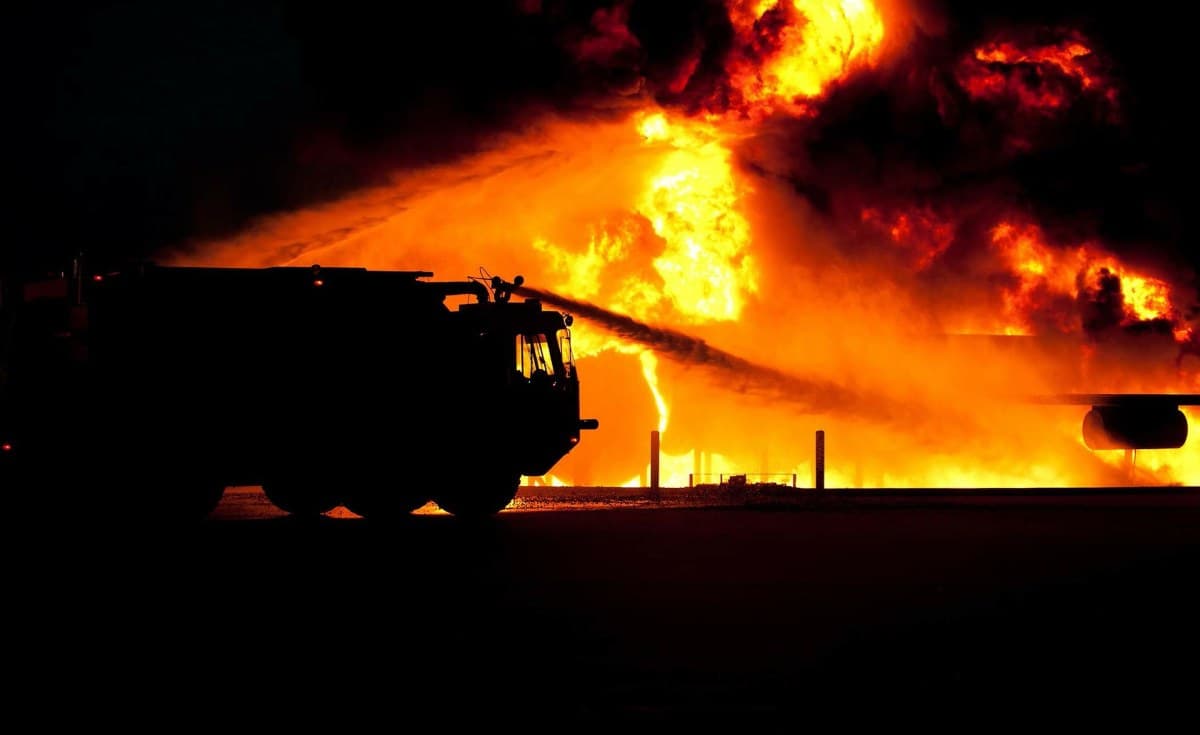
Ah, the smell of smoke and self-righteousness. It is a heady mix, isn’t it? There is nothing quite like a localized apocalypse to bring out the performative empathy of a nation that spends the other 364 days of the year actively hoping for its neighbor’s spectacular downfall. In the Eastern Cape, a region that nature seems to have designated as a permanent testing ground for human resilience—or perhaps just a graveyard for hope—the farmers are currently sifting through the charred remains of their livelihoods. And because we live in a digital panopticon where no tragedy is official until it has been curated for a feed, it took a single social media plea to ignite the only thing more volatile than a drought-stricken veld: the collective guilt of the South African public.
Let’s look at the facts, if only to distract ourselves from the mounting piles of ash. A farmer, presumably realizing that the state’s disaster management budget has likely been redirected into the mahogany-lined pockets of someone with a very impressive title and zero technical skills, took to the internet. He didn't ask for a miracle; he asked for help. And in a terrifying display of what happens when a population realizes their government is essentially a hollowed-out carcass of bureaucratic decay, the people actually responded. Trucks filled with feed, donations flowing through digital channels, a 'nationwide support' surge that the media is currently serving up as a heartwarming 'good news story' to keep the masses from finally picking up the pitchforks.
It is, quite frankly, nauseating. We are expected to celebrate this as a triumph of the human spirit. In reality, it is a glaring, neon-lit indictment of a failed state. When the citizenry has to organize its own logistics to save an entire agricultural sector from literal incineration because the official channels are too clogged with inertia and graft to function, you aren't looking at a 'wholesome' moment. You are looking at a survival reflex in a terminal patient. The Eastern Cape is burning, and the only reason it hasn’t been completely erased from the map is that some guys with trucks and a Twitter account decided to do the job that several thousand public servants are currently being paid to ignore.
The Right, of course, will frame this as a testament to the 'rugged individualism' of the farming community—a group they pretend to care about until it's time to actually fund rural infrastructure. The Left will likely find a way to complain that the hay being sent isn't diverse enough or that the carbon footprint of the delivery trucks is the real tragedy here. Both sides are, as per usual, missing the point with a precision that borders on the professional. The point is that the social contract in South Africa hasn't just been breached; it’s been turned into kindling and tossed into the fire. People are helping because they know, with a cold and terrifying certainty, that no one else is coming. The 'unity' we see on social media isn't a sign of a healthy nation; it’s the frantic huddling of sheep who have realized the shepherd sold the fences for scrap metal.
And let us not forget the role of the platform itself. Social media, the same algorithmic hellscape that usually spends its time radicalizing your aunt and selling your data to the highest bidder, is now the primary tool for disaster relief. We have outsourced the functions of a functioning democracy to a Silicon Valley dopamine machine. We 'like,' we 'share,' we 'donate,' and we feel a brief, flickering warmth in our chests that masks the cold reality that the lights are going out, the water is running dry, and the fires are only getting started. We are addicts of the 'good news' hit, desperate for any narrative that doesn't involve the slow-motion collapse of everything we take for granted.
So, while the trucks roll into the Eastern Cape and the farmers provide the necessary background actors for this week’s episode of 'Nation Under Siege,' let’s not delude ourselves. This isn't the start of a new era of cooperation. It’s a temporary ceasefire in a war of all-against-all, facilitated by a moment of genuine desperation. Tomorrow, the fires will be out, the feed will be eaten, and the South African public will go back to their primary hobby of shouting into the void while the infrastructure around them continues its graceful descent into the dirt. Enjoy the 'heartwarming' story while it lasts. The smoke will clear eventually, and you’ll be left staring at the same ruin you were trying to ignore before the first spark flew.
This story is an interpreted work of social commentary based on real events. Source: AllAfrica