South Sudan and the Eternal Mirage: Democracy as a Procrastination Technique

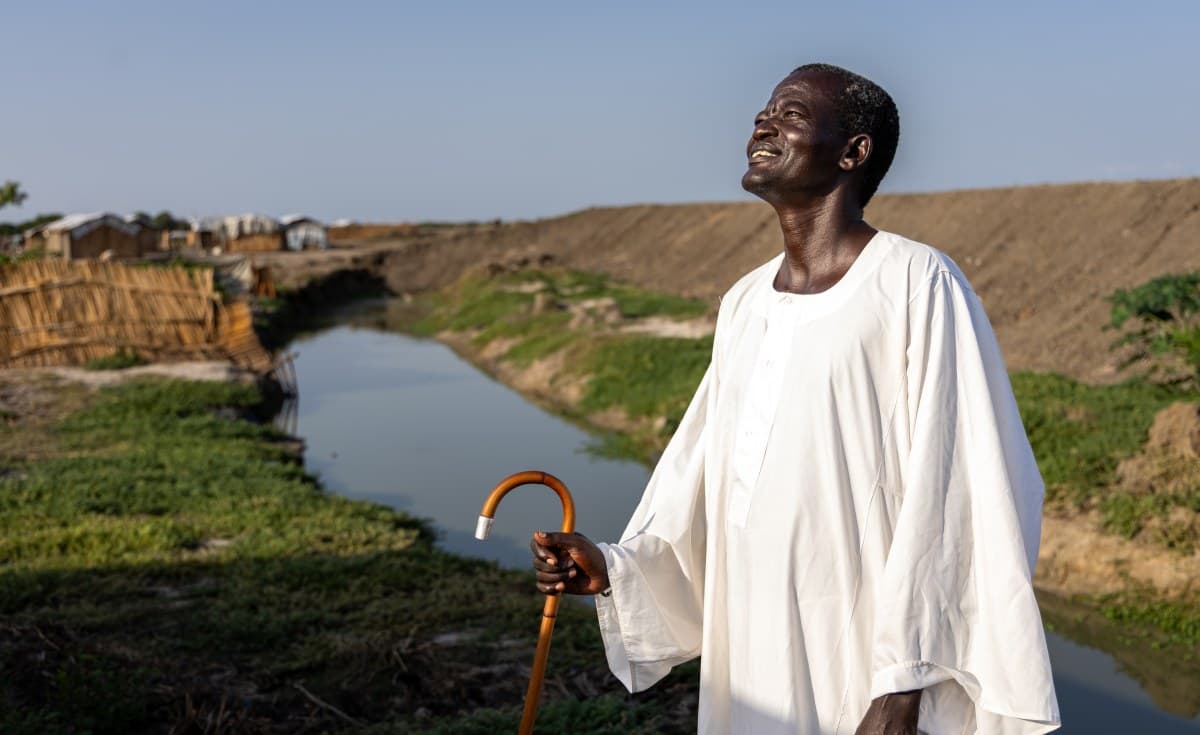
South Sudan, the so-called "world's youngest nation," wears its title like a toddler wears a tuxedo—awkward, ill-fitting, and doomed to be covered in stains within the hour. Since stumbling into existence in 2011 with the enthusiastic, if naive, blessing of a West desperate for a success story, the country has managed the impressive feat of existing for over a decade without once letting its citizenry participate in that grand, Western-exported hallucination known as an election. It is a masterclass in political blue-balling. The international community, acting like the perpetually optimistic parent of a delinquent child, keeps waiting for those first democratic steps. But South Sudan isn’t walking; it’s just leaning against a wall, smoking a cigarette, and asking for another billion-dollar extension on its rent.
We are told, with the kind of straight face only a career diplomat or a sociopath can maintain, that the big day is finally, definitely, pinky-promise arriving in December 2026. This date follows more delays than a regional airline operating in a hurricane. Per the 2018 power-sharing agreement—a document that essentially codifies the "I won’t stab you today if you don't stab me tomorrow" philosophy of governance—the vote was supposed to be the finish line. Instead, the finish line keeps being moved further down the track by the very people who are supposed to be running toward it. They call it "preparing the ground," which is a polite euphemism for ensuring the political landscape is sufficiently barren of any actual opposition before they bother putting out the ballot boxes. The sheer, unadulterated arrogance required to promise a vote two years from now, after failing to deliver one for fifteen, is the kind of high-level grift that even a seasoned Wall Street vulture would have to admire.
The logic of the South Sudanese elite is deliciously circular and entirely impenetrable to the sane. We are told they cannot have elections because there is no peace, yet there is no peace because the various warlords-turned-statesmen are too busy "sharing power" to risk losing their slice of the pie in a fair fight. It is a perfect ecosystem of inertia. The 2018 Revitalized Agreement—a name designed to exhaust the reader before they can question the substance—is less a roadmap to democracy and more a long-term lease agreement for a palace. The word "Revitalized" is especially charming, suggesting that the previous failures just needed a fresh coat of paint and a more expensive font. In reality, it is a stalemate masquerading as a transition, a way for the same tired faces to remain in the same plush chairs while the rest of the country wonders if the "peace process" will ever actually involve any peace.
Let’s examine the "technicalities" cited for the latest 2026 delay. They claim they need a census. They need a permanent constitution. They need to unify the army—which is currently a collection of private security details with national aspirations. These are the political equivalents of "the dog ate my homework," "the printer is bogged down," and "I’m just waiting for my paycheck to clear." In a nation where infrastructure is often a suggestion rather than a reality, waiting for a perfect census is a recipe for eternal rule. You cannot accurately count a population that is constantly on the move to avoid the "security" being provided by the various factions. As for a permanent constitution, why would the men currently in charge want a set of rules they didn't write on a cocktail napkin five minutes ago? Rules are for the governed, not the governors.
The international observers, those well-meaning ghouls who thrive on "monitoring" the misery of others, continue to issue sternly worded statements that have the impact of a wet noodle against a tank. They talk of "benchmarks" and "milestones" as if they are dealing with a corporate restructuring rather than a playground fight involving heavy weaponry. They want South Sudan to look like a state, so they focus on the optics of the vote. They ignore the fact that an election in a vacuum is just a census of who owns the most guns. To the West, a ballot box is a magic talisman that turns a warlord into a president; to the men in Juba, it’s just another piece of furniture to be moved around the room while they decide who gets the biggest office.
The tragedy is not that the elections are delayed; the tragedy is the collective, global delusion that a vote will change the fundamental, predatory math of the country. When December 2026 finally rolls around, expect another "historical" summit and another signed piece of paper pushing the date to 2030. The "youngest nation" will eventually become the world’s oldest adolescent, still living in the basement of international aid, still promising to get a real job—or hold a real vote—as soon as the conditions are "just right." Until then, the power-sharing continues, which is to say, the people share the suffering while the leaders share the spoils. It isn't a transition to democracy; it's a permanent career path for the cynical.
This story is an interpreted work of social commentary based on real events. Source: AllAfrica