The Great Surcharge: Taxing Your Way to a Silicon and Saline Stone Age
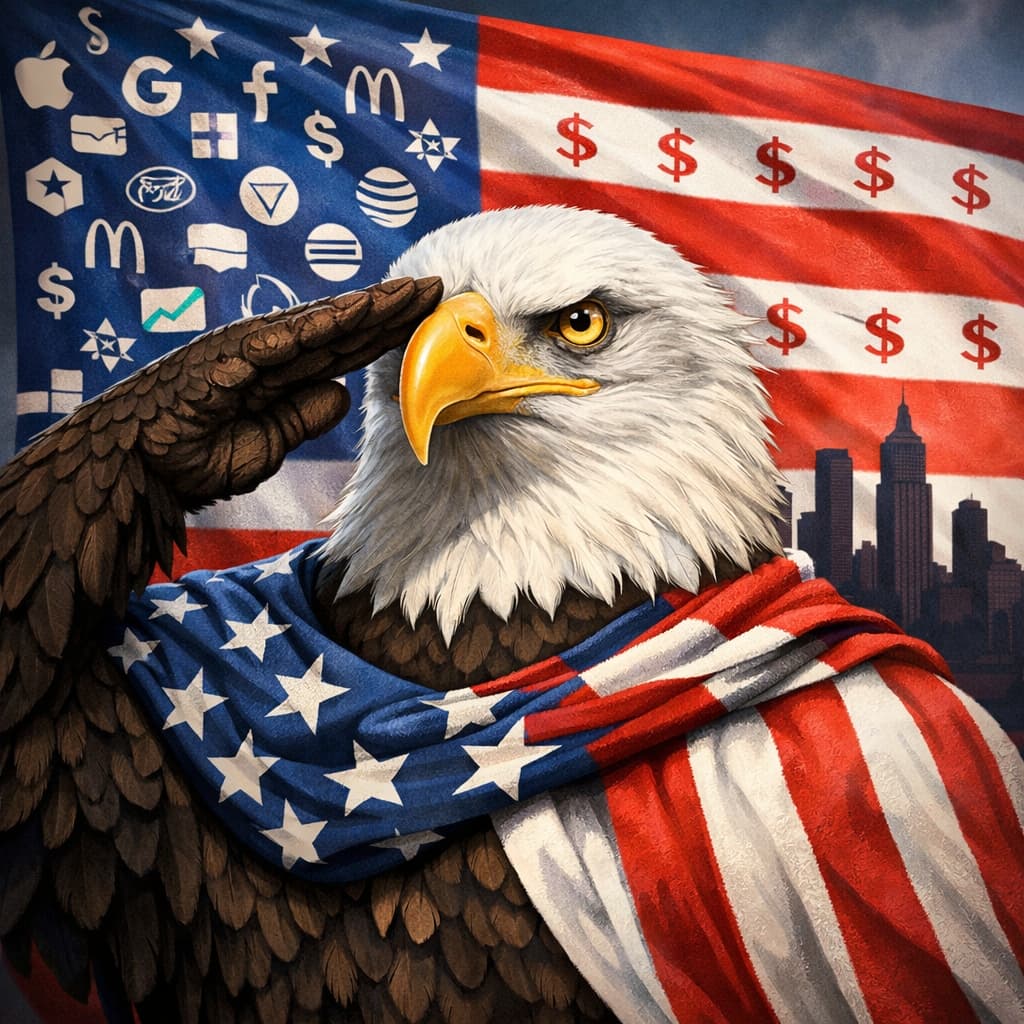

Here we go again. The orange-hued merchant-king of Mar-a-Lago has once again reached into his mothballed chest of nineteenth-century economic relics and pulled out his favorite blunt instrument: the tariff. It is a tool so antiquated it belongs in a museum next to bloodletting kits and the divine right of kings, yet here it is, being presented as the cutting edge of 'America First' strategy. This time, the crosshairs are leveled at electronics and pharmaceuticals—the two things that keep the average American from either realizing their life is a shambles or feeling the physical pain of that realization. It is a masterstroke of unintended consequences, a symphony of mercantilist necrophilia designed to 'bring jobs back' to a workforce that can barely manage to operate a self-checkout kiosk without a panic attack.
Let’s start with the electronics. The modern human is essentially a meat-based peripheral for a smartphone. Our entire existence is mediated through silicon and copper sourced from countries the average voter couldn't find with a map and a flashlight. By targeting industry-specific tariffs on these components, the plan isn't actually to rebuild the industrial heartland. You cannot simply flip a switch and turn a Rust Belt ruins-scape into a high-end semiconductor clean room. That requires things like 'education' and 'long-term investment,' concepts that are currently out of fashion in a political climate that prefers the dopamine hit of a well-placed insult. No, the real effect of these tariffs is a simple, crushing tax on the screen-addicted masses. If you want to keep your digital pacifier, you’re going to have to pay a premium for the privilege of watching the world burn in high definition. It is a technological lobotomy performed with a meat cleaver, and the 'pro-business' Right is cheering for it as if they’ve forgotten how supply chains actually work.
Then we move to the pharmaceuticals—the real dark comedy of the situation. In a nation that runs on a steady drip of antidepressants, insulin, and blood pressure medication, the proposal to slap tariffs on imported drugs is nothing short of a pharmacological hostage crisis. The United States has spent decades outsourcing its chemistry to India and China, creating a dependency that would make a Victorian opium den look like a wellness retreat. Now, under the guise of 'national security,' the plan is to make the sick pay more for the basic chemicals required to stay upright. It’s a brilliant strategy: if the citizenry is too poor to afford their medication and too broke to buy a new phone to complain about it, the noise level in the country might finally drop. The Left will scream about 'equity' and 'access' while ignoring the fact that their own regulatory bloat helped drive these companies overseas in the first place. The Right will bloviate about 'independence' while their constituents choose between their heart pills and their heating bills.
This isn't about economics; it’s about the aesthetics of strength. It is the economic equivalent of a man buying a lifted truck he can’t park to compensate for a personality that doesn't exist. The global economy is a delicate, interconnected house of cards, and we’ve decided to play Jenga with a chainsaw. The countries hit hardest—the ones with the audacity to actually manufacture things the world needs—won't simply roll over and die. They will retaliate, likely by targeting the few things America still produces, like soy beans and overpriced military hardware. We are entering a race to the bottom where the prize is a slightly more expensive version of the status quo.
The sheer intellectual vacancy of the debate is what truly grates. One side believes that a 10% or 20% levy is a magic wand that can reverse forty years of globalization overnight. The other side clings to a 'free trade' dogma that has spent those same forty years hollowing out every town between the coasts to satisfy the quarterly earnings of a few sociopaths in glass towers. Neither side has a plan for the reality that we are a service economy that has forgotten how to serve and a consumer culture that can no longer afford to consume. We are witnessing the death rattles of an empire that thinks it can tax its way back to 1954, oblivious to the fact that the factory has been demolished and replaced by a fulfillment center staffed by robots that don't care about your flag or your feelings.
In the end, these tariffs will achieve exactly what they always do: they will redistribute wealth from the many to the few while providing a convenient scapegoat for the inevitable inflation. We will all be poorer, we will all be sicker, and our devices will be slower. But at least we’ll have the satisfaction of knowing that we 'stuck it' to someone, somewhere, even if that someone is ultimately the person staring back at us in the mirror, wondering why everything costs so much and why the future looks so much like the past, only with worse graphics.
This story is an interpreted work of social commentary based on real events. Source: The Economist