Silence is the Only State-Approved App: Iran’s Digital Lobotomy and the Futility of Connectivity

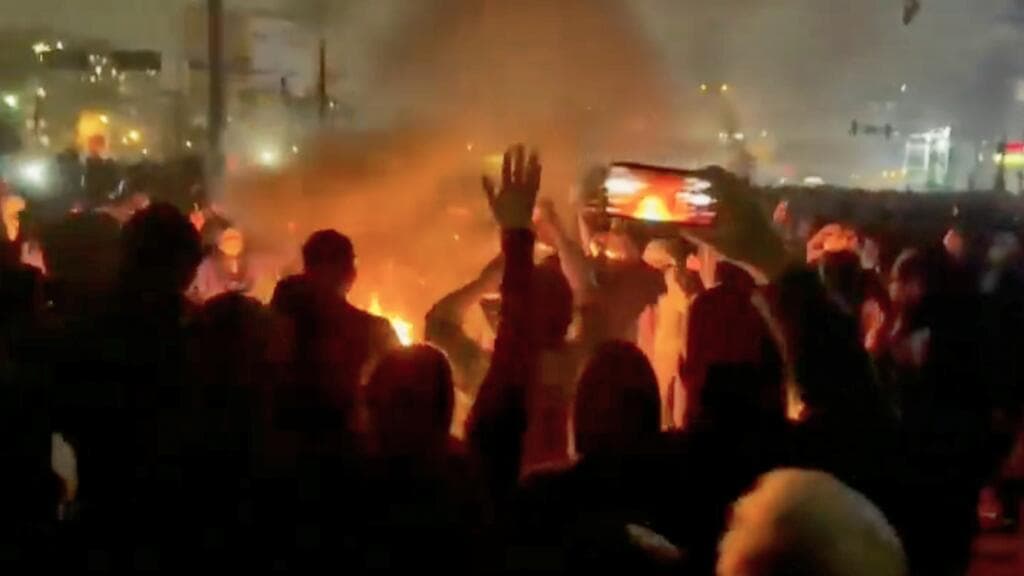
There is something almost quaint about a good old-fashioned digital blackout. In a world where every half-wit with a smartphone thinks their brunch photos are a human right, the Iranian government has decided to remind us that reality is actually governed by the guys who own the kill switch. While the rest of the planet is busy arguing over whether an AI-generated cat is sentient, the mullahs in Tehran have opted for a more traditional form of gaslighting: simply pretending that the internet—and by extension, the screaming masses—doesn't exist. It’s a bold move, really. If you can't hear the protesters dying in the street, did they even make a sound? To the regime, the answer is a resounding, static-filled ‘no.’
Naturally, the Western press is in a tizzy, dusting off their ‘democracy is dying in darkness’ banners. It’s the same predictable cycle of performative outrage we see every time a mid-tier autocracy decides to cut the cord. We get the usual reports from ‘rights groups’—those professional mourners of the geopolitical stage—warning us that hundreds have been killed. And they probably have. But let’s be honest: in the grand ledger of human stupidity, these lives are just rounding errors to the people in power. The regime isn't crushing a movement; they’re just performing a hard reset on a society that dared to think a hashtag was a shield. The digital blackout isn’t just a tactical maneuver; it’s a metaphysical statement. It’s the state asserting that they don’t just own your land and your body; they own the very air through which your desperate pleas for help travel.
On the one side, we have a theocracy that is so terrified of a teenager’s Instagram story that they’ve effectively turned the entire country into a Faraday cage. It’s a pathetic display of fragility disguised as strength. These are men who claim to lead by divine right, yet they are paralyzed by the prospect of a grainy video of a burning police car going viral. They are the ultimate boomers, terrified of technology they don't understand, reacting to the 21st century by trying to drag everyone back to the 7th. It would be funny if it weren't so bloody. They aren’t protecting a culture; they’re protecting their own bloated, parasitic existence by ensuring the only voice left in the room is their own monotonous drone.
Then we have the protesters, God bless their naive little hearts. They believe that if only the world could *see* what was happening, things would change. This is the great lie of the information age: the idea that visibility equals salvation. Spoiler alert: the world is watching, and the world is bored. We have twenty other crises to scroll through before lunch. The ‘international community’—that mythical beast that supposedly enforces norms—is currently busy worrying about gas prices and election cycles. The protesters are fighting for a digital world that, even in its most ‘free’ Western iteration, is just a different kind of prison curated by billionaires who would sell their data to the highest bidder in a heartbeat. They are dying for the right to be exploited by Silicon Valley instead of being repressed by Tehran. It’s a lateral move at best.
The blackout is choking the movement, limiting verification, and ‘limiting what can be seen,’ as the reports say. How tragic. Now we can't properly verify the exact caliber of the bullet used to silence a college student. Does it matter? The outcome is the same. The regime understands something that the ‘liberation through tech’ crowd refuses to acknowledge: power is physical. You can have all the encryption in the world, but if the state can just cut the fiber-optic cable with a pair of rusty shears, your ‘secure communication’ is just a fancy brick. The arrogance of the digital age is thinking we’ve transcended the brute force of the bayonet. Iran is here to remind us that we haven't.
In the end, this isn't just a story about Iran; it’s a story about the inevitable end-point of our obsession with connectivity. We’ve built a world where our entire reality is mediated through a handful of choke points, and then we act shocked when a group of geriatric thugs realizes they can just put their thumb on the hose. The Left will cry about human rights while ignoring the fact that their own preferred platforms shadow-ban dissent with the same clinical coldness. The Right will use this to justify their next round of saber-rattling, ignoring the fact that they’d love to have a ‘shut down the nonsense’ button for their own domestic headaches. Everybody wants to control the signal. Iran is just the only one honest enough to turn it off entirely. Welcome to the quiet. It’s the only honest thing left in the Middle East.
This story is an interpreted work of social commentary based on real events. Source: RFI