The Art of the Steal: Why Denmark’s Blood Sacrifice Was Just a Down Payment on an Ice Cube

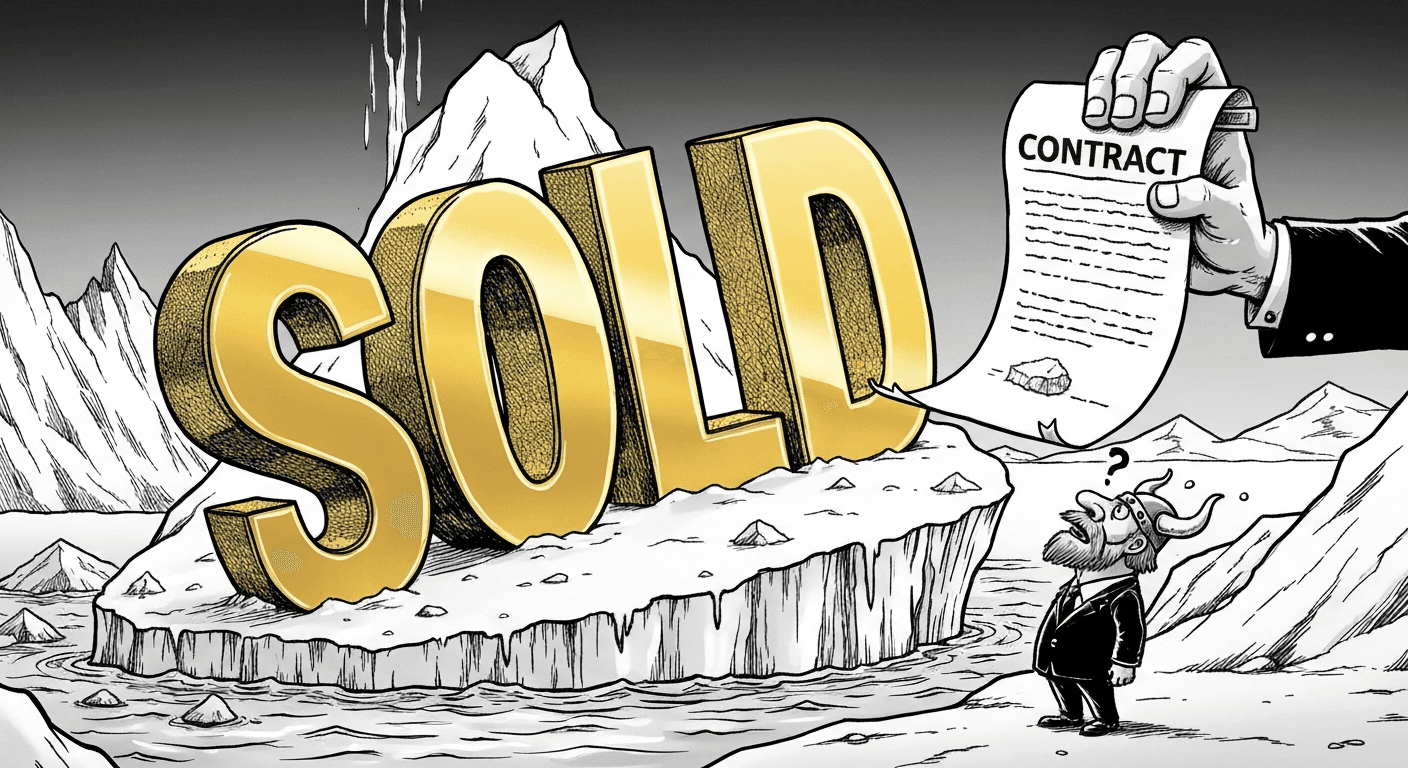
There is a particularly naive brand of idiocy that permeates the European mindset, a sort of quaint, old-world delusion that assumes international relations are built on shared values, mutual respect, and the romantic notion of brotherhood. This is the geopolitical equivalent of believing the stripper really likes you. Nowhere is this delusion more hilariously shattered than in the current plight of Denmark, a nation that spent the last two decades acting as the United States' eager lapdog, only to discover that the master doesn't want loyalty—he wants the doghouse, the yard, and the mineral rights underneath them.
Let’s review the ledger of this farcical relationship, shall we? When the United States decided to embark on its disastrous, trillion-dollar adventures in the Middle East, Denmark was right there, wagging its tail with pathetic enthusiasm. They didn't just send token support; they committed real blood and treasure. They deployed thousands of troops to the dust bowls of Afghanistan. They were among the early contributors to the invasion of Iraq, a conflict so ill-conceived that even the people who started it can’t remember why they were there. Denmark marched in lockstep, believing that by shedding blood alongside the American empire, they were purchasing an insurance policy. They thought they were buying respect. They thought they were securing a seat at the grown-ups' table.
Oh, you sweet, summer children. You didn't buy respect. You barely bought a ticket to the show. And now, the landlord has come to collect, and he’s realized that your rent is past due. The landlord, in this case, being a returning Donald Trump, who looks at a map of the North Atlantic not as a delicate ecosystem or a sovereign territory, but as a distress-sale property opportunity waiting for a gold-plated logo.
The absurdity of the situation is delicious. Denmark fought, bled, and died for American interests, and in return, the American executive branch is looking at Greenland and asking, "How much for the big ice cube?" It turns the concept of the NATO alliance into what it always truly was: a protection racket where the fees are variable and the protection is optional. The shock radiating from Copenhagen is palpable. They are clutching their pearls, gasping about "sovereignty" and "autonomy," as if those words mean anything when a superpower decides it needs a new strategic foothold against China.
Trump’s desire to purchase Greenland—a massive, semi-autonomous island that is technically part of the Kingdom of Denmark—is being treated by the intelligentsia as a senile delusion. It isn't. It is the purest distillation of modern capitalism applied to nation-states. Why shouldn't he try to buy it? In the world Trump inhabits, everything has a price tag. Loyalty? That’s for suckers who can’t negotiate a better deal. History? That’s just branding. The Danish government’s contributions to the Global War on Terror are, in this transaction, merely a sunk cost. You don't get a discount on the penthouse just because you used to mow the lawn for free.
What makes this scenario so richly entertaining is the utter incompatibility of the two worldviews. On one side, you have the Danes, steeped in the polite, bureaucratic consensus of the European Union, believing that diplomacy is a series of polite meetings and strongly worded communiqués. On the other side, you have the MAGA doctrine, which views the entire globe as a Monopoly board where the only object is to bankrupt the other players and put hotels on Boardwalk. The Danes argue from a position of morality and history; the US argues from a position of "I have eleven aircraft carriers and you have a bicycle lane."
The threatening posture regarding Greenland serves as a brutal wake-up call for every minor vassal state in the Western orbit. It proves that there is no such thing as a "committed partner." There are only assets and liabilities. Denmark made the fatal error of thinking their military sacrifice made them a partner. In reality, it just made them a useful utility until the utility ran out. Now that the wars in the sand are over (or at least, boring), the empire needs something new. It needs rare earth minerals, it needs Arctic shipping lanes, and it needs to poke China in the eye. Greenland offers all three.
So, while Denmark huffs and puffs about the absurdity of selling a population and a territory like chattel in the 21st century, they are missing the point. The 21st century is exactly when you sell territories like chattel; we just call it "strategic realignment" or "sovereign debt restructuring" now. The transaction is the only truth left. The blood spilled in Kandahar implies no obligation on the part of Washington. It was a gift, and as any good capitalist knows, you don't pay for gifts.
In the end, Denmark will likely keep their icy outpost, but the damage is done. The illusion is shattered. They now know exactly what they are worth to their greatest ally: exactly as much as the real estate they occupy, minus the closing costs. Welcome to the real world, Denmark. It’s cold, it’s expensive, and nobody cares about your feelings.
This story is an interpreted work of social commentary based on real events. Source: Washington Post