The Architect of 'Never Again' Discovers 'Always' Is the Default: Philippe Sands and the Quaint Delusion of Human Rights

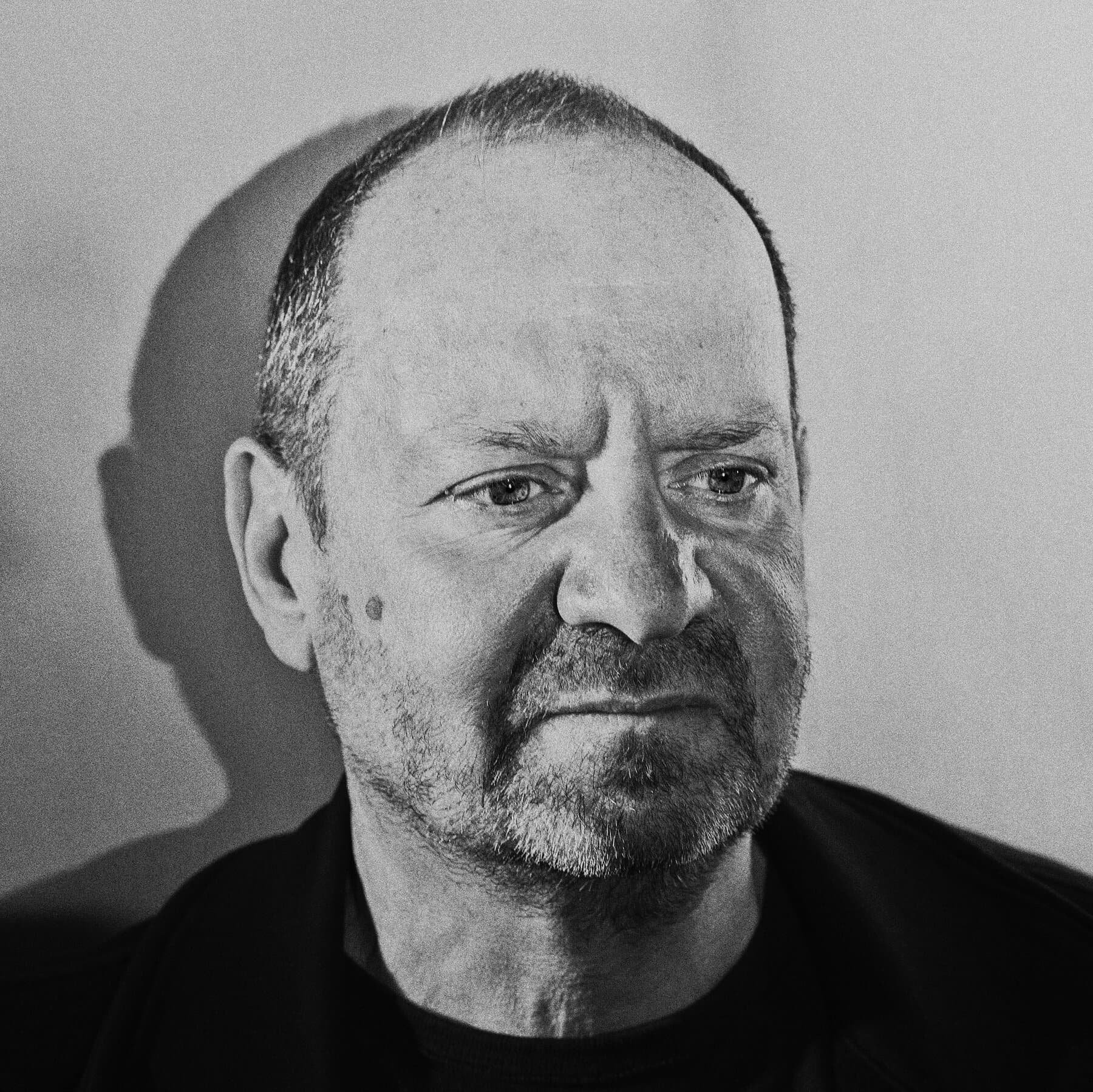
Philippe Sands, a man whose entire professional existence is predicated on the optimistic hallucination that the 20th century taught us anything other than how to kill more efficiently, is reportedly concerned. He is worried that history is taking an 'unfortunate detour.' It is the kind of phrasing only an academic of the highest order—and the highest billable rate—could conjure. To call the current global collapse into primal tribalism and industrial-scale slaughter a 'detour' is like watching a decapitation and suggesting the patient is having a particularly rough 'neck adjustment.' Sands, who grew up in the shadow of the Holocaust and built a career prosecuting the monsters that emerged from it, seems shocked to discover that the monsters never actually left; they just waited for the legal paperwork to expire.
The tragedy of men like Sands is their unwavering belief in the power of the parchment. They believe that if you write 'thou shalt not commit genocide' in enough languages and have it ratified by enough men in expensive suits, the lizard brain of the human species will suddenly stop craving the blood of its neighbor. The 'Age of Impunity' he fears isn't some new, terrifying era lurking on the horizon. It is the default setting of the human animal. The brief window between 1945 and, say, last Tuesday, wasn't a new standard of civilization; it was a fluke. It was a momentary pause while the world caught its breath before the next round of creative cruelty. But for the legal intelligentsia, admitting this would be an admission that their entire lives have been spent arranging the deck chairs on a ship that was designed to sink from the moment it left the dock.
The Right, of course, treats Sands’ concerns with the same disdain they show for any rule that doesn't involve protecting their own hoard of gold. To them, international law is a pesky suggestion from people who wear too much tweed and eat too much brie. They view 'impunity' not as a threat, but as a business model. If you can’t ignore a treaty to bomb a school or strip-mine a protected forest, then what is the point of having power in the first place? They see the 'rules-based order' as a cage built by losers to prevent the winners from winning even harder. It’s a moronic, short-sighted worldview that inevitably leads to the same pile of rubble, but at least they’re honest about their desire to be the ones standing on top of it.
On the other side, we have the performative wailing of the Left, who view human rights as a secular religion. For them, Sands is a high priest. They believe that if we just express enough 'grave concern' and hold enough candle-lit vigils in the safety of a London borough, the warlords will suddenly feel a pang of conscience and put down their machetes. They cling to the idea of 'norms' as if a norm has ever stopped a bullet. Their hypocrisy is a special kind of exhausting: they demand justice for distant atrocities while ignoring the fact that the lithium in their smartphones was mined by children living in the very 'shadows' Sands decries. They want a world of law, but only if that law doesn't interfere with their ability to virtue-signal from a position of immense, unearned comfort.
Sands’ fear of a 'new age of impunity' ignores the reality that impunity is the only constant in human history. The Nuremberg trials, which Sands has spent his life analyzing with the reverence of a theologian, were an anomaly—a moment where the winners were so horrified by what they’d seen that they decided to play-act at being civilized for a decade or two. But look at the ICC today. It is a glorified HR department for a planet that only hires serial killers. It issues warrants that are treated like junk mail by the very people they are meant to restrain. The legal framework of the 20th century was essentially a 'Terms and Conditions' agreement that the global powers clicked 'Accept' on without reading, and now that they’ve realized they can just opt-out without penalty, the whole system is revealed for what it always was: a polite fiction.
We are not taking a detour. We are returning to the main road. The 'shadows' Sands grew up in are not receding; they are the landscape. The idea that we can legislate our way out of our own nature is the ultimate vanity of the intellectual class. While Sands worries about the 'detour,' the rest of the world is busy proving that 'Never Again' was always just a marketing slogan for a brand of peace that was never actually in stock. It is a bleak realization, but at least it’s an honest one—something that neither the legal texts nor the political platforms seem capable of offering.
This story is an interpreted work of social commentary based on real events. Source: NY Times