The First-in-the-Nation Hunger Games: States Clamor for the Privilege of Being Ignored First in 2028

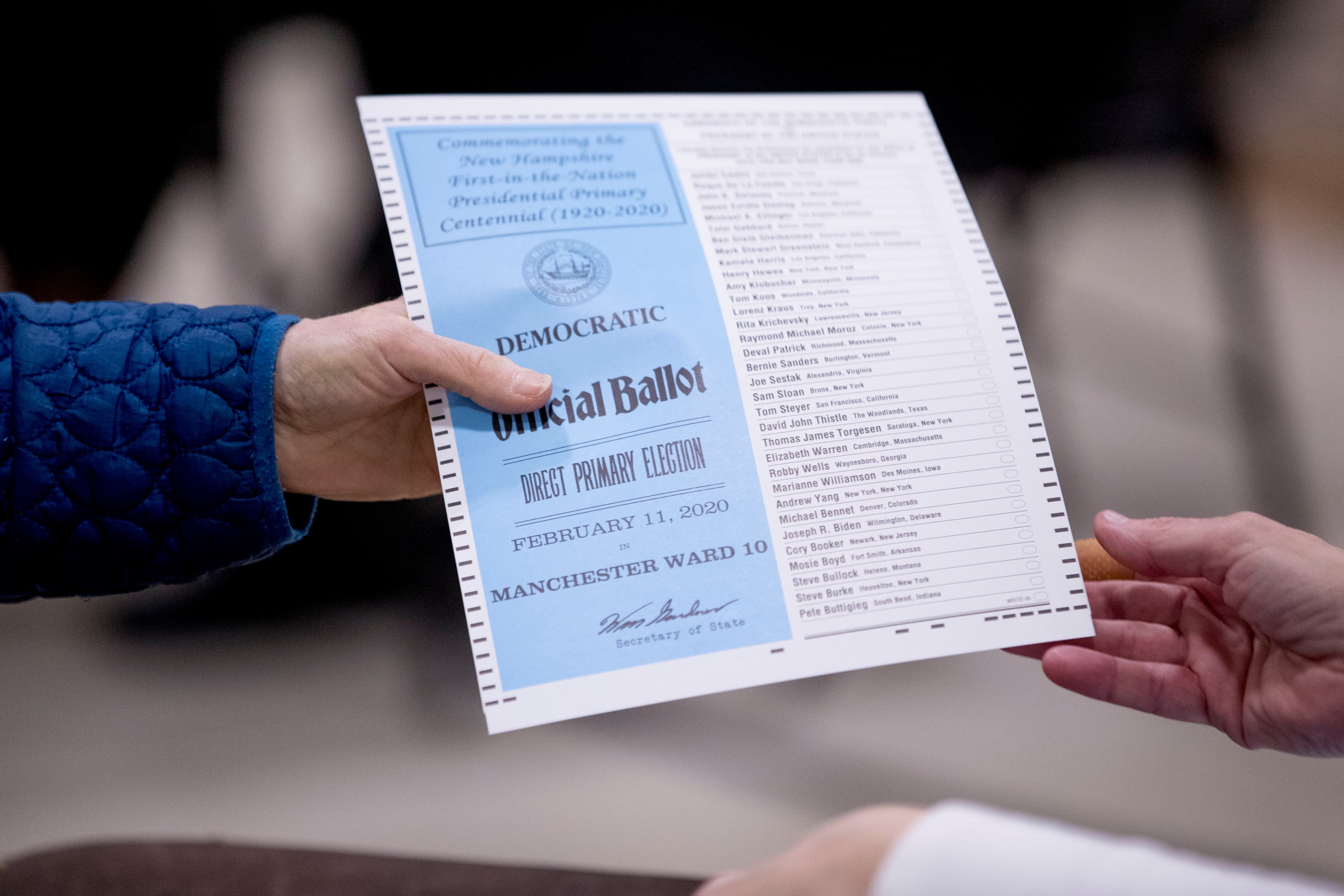
The Friday deadline for states to submit their applications for the 2028 Democratic primary calendar is approaching with all the grace of a vulture circling a dumpster fire. This is the biennial ritual where various state party officials, desperate for a fleeting moment of relevance and a massive infusion of television ad revenue, grovel before the Democratic National Committee’s Rules and Bylaws Committee. They are begging for the 'privilege' of hosting the opening act of a political circus that most Americans would happily pay to never see again. The DNC, a body of bureaucratic gargoyles whose primary function is to ensure that spontaneity remains an illegal substance, will spend months weighing these applications as if they are choosing the host of the Olympics rather than selecting which group of rubes gets to be lied to first.
To the uninitiated—or the dangerously optimistic—this looks like a debate about representative democracy. To the rest of us, it’s a cynical branding exercise. In 2024, Joe Biden—a man who treats the concept of 'linear time' as a mere suggestion—shattered the long-standing tradition of Iowa and New Hampshire by catapulting South Carolina to the front. It was a transparent reward for the state that resurrected his moribund 2020 campaign, proving that in the Democratic Party, loyalty isn't just a virtue; it's a currency you spend to skip the line. Now, with the 2028 cycle looming like a slow-motion car crash, every mediocre state in the union is polishing its resume, desperate to prove that their specific flavor of suburban decay and strip-mall existentialism is the 'true heart' of the American electorate.
The criteria for selection are a word-salad of 'diversity,' 'competitiveness,' and 'logistical capability.' In the dialect of the political consultant, 'diversity' means finding an electorate that looks enough like a Benetton ad to satisfy the activists but remains conservative enough to not accidentally nominate someone who wants to tax the donor class. 'Competitiveness' is shorthand for 'which swing state can we dump the most money into so the local TV affiliates can buy new yachts?' And 'logistical capability' simply means the state must have enough hotels to house the swarm of twenty-four-year-old campaign staffers who will spend six months tweeting about 'the work' while failing to understand why the locals hate them.
Watching Michigan, Georgia, and Nevada scramble to meet this Friday deadline is a masterclass in the pathetic. Michigan will lean into its rust-belt aesthetic, pretending that its union halls aren't mostly museums for a middle class that the party successfully exported to East Asia decades ago. Georgia will claim it is the vanguard of the 'New South,' ignoring the reality that it is a powder keg of gerrymandered resentment. Nevada will point to its transient service-worker population as the future, as if the pinnacle of the American Dream is a cocktail waitress in a neon-lit desert. They all claim to be microcosms of the country, and the terrifying thing is that they are right: each one is a different chapter in a book about national decline.
The absurdity of the 'early primary' is that it presupposes the existence of a choice. We are led to believe that the sequence of states matters, as if the order in which we consume the poison changes the chemistry of the toxin. Whether the first blow comes from the humid porch of a Charleston townhouse or a frozen diner in the Midwest, the result is the same: a pre-packaged, donor-approved avatar of corporate continuity who will promise 'progress' while presiding over the inevitable rot of the social contract. The DNC isn't looking for the 'will of the people'; they are looking for a controlled environment to test their latest marketing slogans on a captive audience.
Meanwhile, the Right watches from the sidelines, their own primary system a chaotic bonfire of loyalty oaths and grievance-fetishism. They mock the Democrats' obsession with 'procedural equity' while their own voters treat the ballot box as a weapon in a culture war they’ve already lost. It is a race to the bottom where the prize is a participation trophy made of lead. Both sides are trapped in a feedback loop of their own making, convinced that if they just tweak the 'order' of the states, they might finally find a candidate who isn't a walking disaster.
By 2028, the American electorate will likely be composed of three sentient AI bots and a man in a bunker eating canned peaches, yet the party bureaucrats are currently losing sleep over a Friday deadline. They are arranging deck chairs on the Titanic, arguing over which chair has the best view of the iceberg. There is a certain grim humor in watching them fight for the chance to be the first to fail. If you find yourself caring about whether Georgia or South Carolina goes first, seek help. You aren't participating in a democracy; you're watching a focus group for a product that has been discontinued for forty years.
This story is an interpreted work of social commentary based on real events. Source: Politico