Descaling the Void: A Manual for Polishing Your Plastic Domestic God

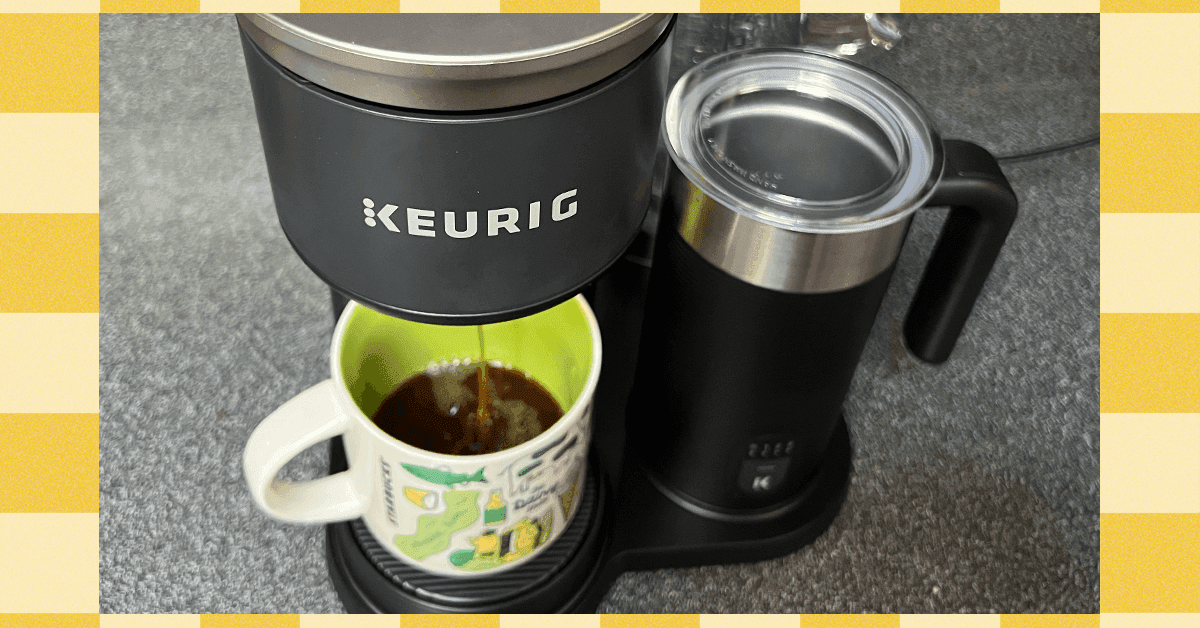
Somewhere between the collapse of the social contract and the inevitable heat death of the universe, the modern American consumer has found a new, agonizingly mundane obsession: the internal hygiene of their plastic caffeine-dispensing deity. I refer, of course, to the Keurig—that monument to human laziness and the final nail in the coffin of the coffee bean’s dignity. A recent instructional guide has emerged, ostensibly to teach the masses how to clean these calcified husks, as if scrubbing the mold out of a miniature toxic waste generator will somehow provide a sense of control in an uncontrollable world. It is a fascinating study in misplaced priorities. We live in a nation where the infrastructure is crumbling, the political class is a collection of performative vultures, and the middle class is a vanishing species, yet we are told to focus our dwindling intellectual energy on the 'descale' light of a counter-top appliance.
The guide itself is a masterclass in the banality of survival. It suggests that your machine, a device designed to bypass the 'effort' of boiling water and grinding beans, can become 'gross' over time. This is the understatement of the century. The Keurig does not just become gross; it becomes a microscopic ecosystem of stagnation. It is a metaphor for the 'Americas' at large—a shiny, convenient exterior masking a dark, damp interior filled with mineral buildup and the ghosts of a thousand plastic pods. The instructions demand a ritual of white vinegar and water, a primitive, acidic exorcism designed to purge the 'scale.' Ironically, these minerals are the only things in the entire Keurig experience that possess any actual substance or character. Removing them ensures that your 'Morning Blend'—a euphemism for liquid cardboard—remains as flavorless and predictable as the social media algorithms you scroll through while waiting for your cup to fill.
To reach the peak of this domestic absurdity, the guide instructs the user to clean 'the needle.' Yes, there is a needle involved. It is the surgical instrument of our collective addiction, piercing the foil lid of a K-cup to inject hot water into a vacuum-sealed grave of stale grounds. We are told to use a paperclip to clear any obstructions. Think about the sheer poetry of that: a human being, a descendant of explorers and philosophers, standing in a kitchen at 7:00 AM, poking a bent paperclip into a plastic hole because their machine is too constipated to produce its daily dose of brown sludge. This is what we have done with the gift of fire. We have refined it until it requires a troubleshooting manual for a device that essentially performs the same task as a bucket and a fire pit, only with more proprietary software and plastic waste.
The 'When' of the cleaning process is perhaps the most scathing part of the directive. You are supposed to clean it every three to six months, or when the machine begins to 'struggle.' This mirrors our societal approach to everything: wait until the system is visibly choking on its own filth before applying a superficial rinse. We don't fix the source of the rot; we just run a vinegar cycle through it and hope the 'descale' light goes away. The Right will tell you that the Keurig is a triumph of the free market—a miracle of efficiency that empowers the individual—while ignoring the literal mountains of non-recyclable plastic pods clogging the arteries of the planet. The Left will performatively tweet about the environment from their iPhones while clutching a Keurig cup, perhaps feeling slightly better because they used 'organic' vinegar to clean the machine. Both sides are equally deluded, trapped in a cycle of consumption and maintenance that serves no purpose other than to keep the gears of mediocrity turning.
In the end, cleaning your Keurig is a futile gesture of defiance against the entropy of the modern world. You can scrub the reservoir, you can soak the K-cup holder in soapy water, and you can flush the system until it runs clear, but you are still drinking coffee from a machine that hates you. It is a device built on the principle that your time is too valuable to brew a real pot of coffee, yet it demands that you spend hours of your life reading 'how-to' guides on its preservation. It is the perfect American product: expensive, high-maintenance, environmentally disastrous, and ultimately unnecessary. So go ahead, follow the guide. Polish the plastic. Unclog the needle. Pretend that by maintaining your appliance, you are maintaining your dignity. But deep down, as you sip that tepid, vinegar-tinged brew, you’ll know that the machine isn't the only thing in the kitchen that’s functionally hollow.
This story is an interpreted work of social commentary based on real events. Source: Wired