The Great Quadcopter Schism: Why Washington is Terrified of Your Vacation Footage
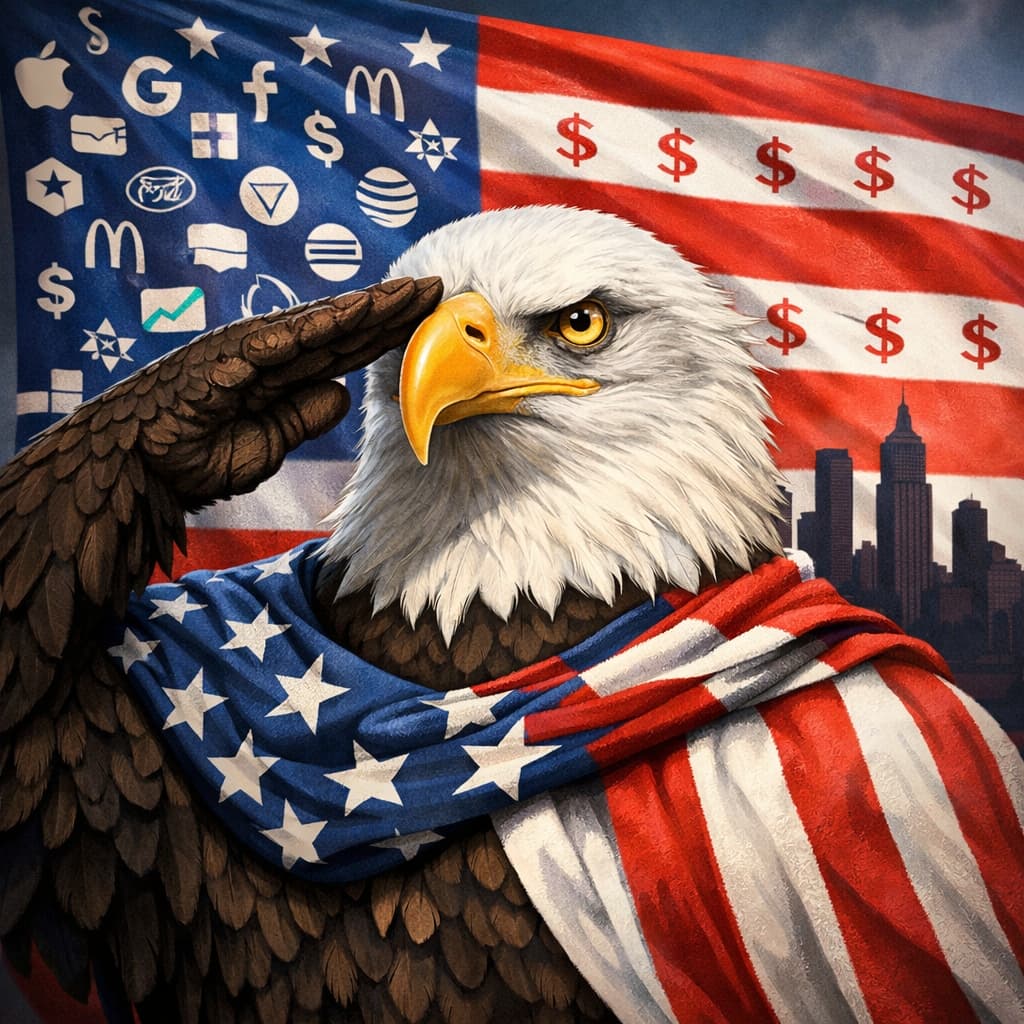
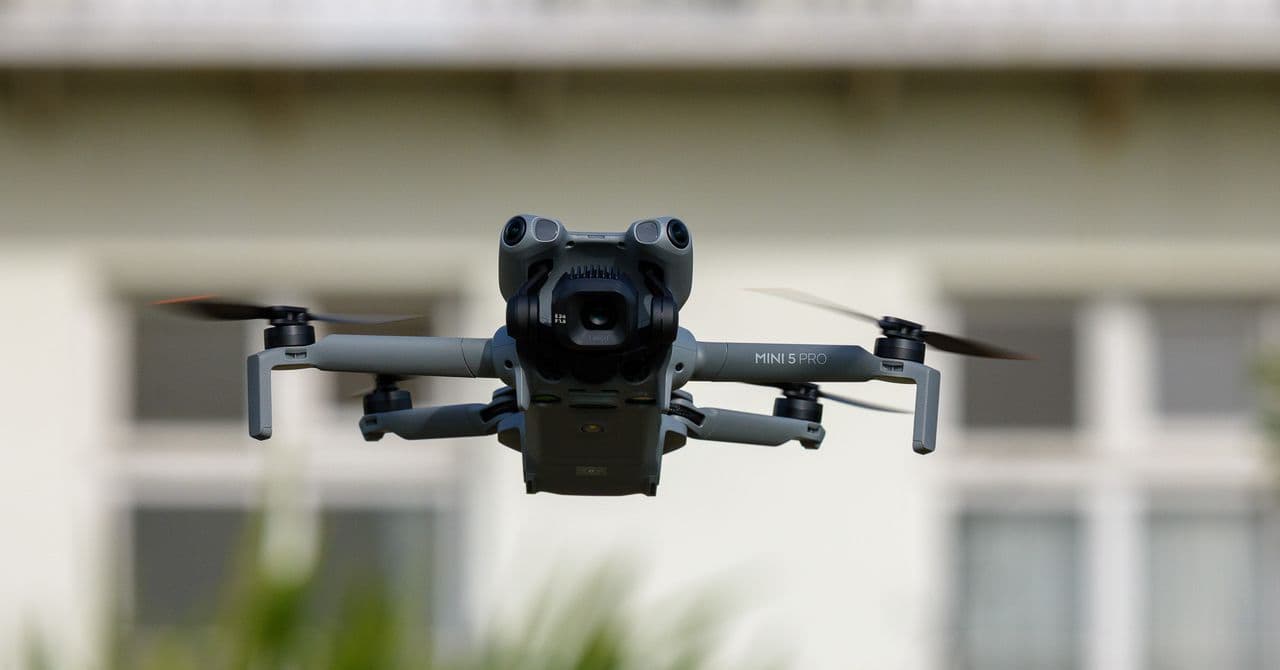
Welcome to 2026, a year where the only thing more pervasive than the smell of burning lithium batteries is the stench of legislative desperation. We find ourselves, yet again, at the crossroads of 'National Security' and 'I just want to film my brunch from sixty feet up.' The ongoing saga of DJI drones in the United States has reached its inevitable, nauseating peak—a masterclass in bureaucratic impotence and the kind of protectionism that would make a 17th-century mercantilist blush with embarrassment. For those of you who haven't been paying attention—likely because you were too busy being distracted by the latest AI-generated celebrity scandal—the U.S. government has decided that the biggest threat to the American way of life isn't crumbling infrastructure or a collapsing middle class, but rather a small, white plastic device that takes very pretty pictures of national parks.
The current 'DJI dos and don’ts' are a fascinating study in the American art of legislative edge-play. As it stands, you can still buy a DJI drone in the United States. You can still fly the one you already own. But the 'maybe' hanging over future models is the real meat of this idiocy. The 'Countering CCP Drones Act' is the primary vehicle for this performative outrage. The name itself is a triumph of marketing over substance, designed to trigger a Pavlovian response in any voter who thinks 'The Orient' is still a valid geopolitical descriptor. The premise is simple: DJI is allegedly a funnel for data directly into the hands of the Chinese Communist Party. Because, clearly, the politburo in Beijing is dying to see 4K footage of a suburban dad’s poorly maintained backyard pool or a gender reveal party that accidentally sets fire to a California hillside.
Let us analyze the intellectual bankruptcy of this 'security' argument. The same politicians screaming about DJI data privacy are the ones who routinely vote against any meaningful domestic data protection laws. They are perfectly comfortable with Silicon Valley ghouls scraping your biometric data, tracking your location to within three meters, and selling your deepest psychological vulnerabilities to the highest bidder. But the moment a Chinese logo is involved, suddenly 'privacy' becomes a sacred tenet of the Republic. It is a stunning display of hypocrisy that assumes the American public is too stupid to notice that their own refrigerators are already spying on them for domestic corporate masters. The Left screams about human rights while ignoring the fact that their own lithium-heavy lifestyle is built on the backs of the very labor they claim to champion. The Right screams about 'communist influence' while conveniently forgetting that they spent forty years outsourcing the entire American manufacturing base to the very country they now claim is the harbinger of the apocalypse.
The irony, of course, is that American drone companies are the primary cheerleaders for this ban. They can't compete on price, and they certainly can't compete on technology, so they do what every failing American industry does: they run to the nanny state and demand a monopoly via executive fiat. They wrap themselves in the flag, claiming that an 'American-made' drone is safer, ignoring the fact that most of their components are still sourced from the same global supply chains they claim to be decoupling from. It is a protectionist racket masquerading as a defense strategy, and it’s being sold to a public that has been conditioned to fear anything they don’t understand—which, in the case of the average voter, is almost everything.
So, where does that leave the consumer? In a state of perpetual, low-grade anxiety, which is exactly where the government likes them. The current guidelines are a mess of 'if' and 'maybe.' You can fly now, but perhaps your next expensive toy will be a paperweight. It’s the legislative equivalent of a 'Check Engine' light that never goes off; it doesn’t mean the car is going to explode today, but it ensures you never quite feel comfortable driving it. We are witnessing the death of the globalized dream, replaced not by a robust domestic industry, but by a series of petty, retaliatory bans that serve no one but the lobbyists. In the end, whether your data is being harvested by a bureaucrat in DC or a bureaucrat in Beijing is irrelevant. You are still being watched, you are still being monetized, and you are still being treated like a child by a government that thinks banning a drone is the same thing as having a foreign policy. It’s not about security; it’s about control. And in 2026, the only thing we have left to control is the altitude of our own collective delusions.
This story is an interpreted work of social commentary based on real events. Source: Wired