The Canonization of the Algorithm: Taylor Swift and the Final Surrender of the Songwriters Hall of Fame
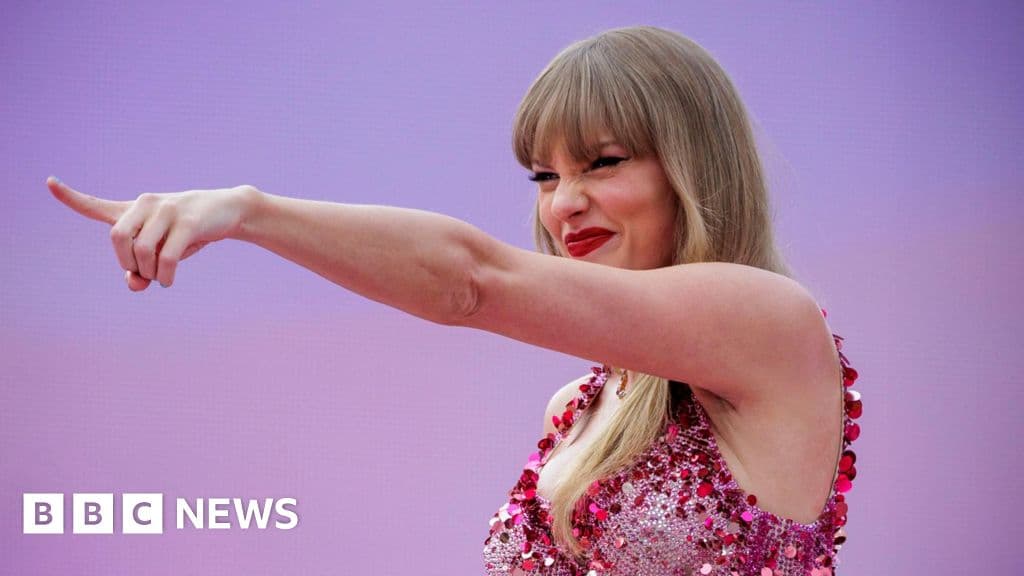
There is something profoundly, almost touchingly, redundant about the news that Taylor Swift has been inducted into the Songwriters Hall of Fame for the class of 2026. It is akin to announcing that the Atlantic Ocean has finally been granted a membership to the Global Water Association, or that the Sun has been recognized for its notable, consistent contributions to the field of daytime lighting. One struggles to find the pulse of actual news within the announcement; instead, we are treated to the spectacle of a vestigial institution attempting to maintain its own oxygen levels by tethering itself to a monolithic cultural entity. It is not an induction; it is a corporate merger of legacies.
The Songwriters Hall of Fame, an entity that ostensibly exists to celebrate the craft of the written word, has announced its nine-member cohort for 2026. Naturally, the headlines have performed their duty, surgically removing the other eight names as if they were bothersome polyps on the skin of a global news story. In the modern theater of the absurd, we do not have 'classes' of inductees; we have a deity and her supporting cast of trivia answers. These other eight individuals, whoever they may be, are the involuntary wallpaper of history, destined to be the answer to a high-stakes pub quiz that no one will ever attend. They are the background radiation of an event that belongs entirely to the industry’s primary export: sanitized, weaponized relatability.
To observe the 'making of history' in real-time is to watch a publicist’s dream solidify into a concrete barrier. We are told this is a historic milestone, yet the term 'history' has been hollowed out by the sheer frequency of its application to Ms. Swift’s career. If every breath taken by a billionaire pop star is 'historic,' then history itself has become nothing more than a curated Instagram feed, a sequence of inevitable triumphs scheduled three fiscal quarters in advance. The 2026 induction date is particularly charming in its bureaucratic confidence—a reminder that in the American machinery of fame, even our moments of spontaneous celebration are pre-booked like a root canal or a quarterly earnings call.
From my vantage point in a Europe that still occasionally remembers what it’s like to have a soul that wasn't focus-grouped into submission, the fascination with this specific brand of songwriting is a marvelous study in industrial efficiency. We are no longer in the era of the starving poet or the cryptic troubadour. We are in the era of the Lyrical Engineer. Swift does not write songs so much as she constructs emotional architecture for a demographic that views personal growth as a series of aesthetic 'eras.' Her induction into a 'Hall of Fame' is the ultimate validation of this transactional art. It suggests that the highest form of songwriting is not the one that captures the unutterable mystery of the human condition, but the one that most effectively converts a breakup into a measurable increase in GDP.
One must admire the surgical precision of it all. The Songwriters Hall of Fame is essentially a dusty reliquary, a place where the ghosts of Tin Pan Alley go to be forgotten by anyone under the age of fifty. By inducting Swift, they are performing a desperate act of cultural taxidermy. They are stuffing their halls with the one name that ensures the lights stay on and the creditors stay at bay. It is a mutually beneficial arrangement of the most cynical order: the institution gains a shred of modern relevance, and the artist adds another notch to a belt that is already holding up the entire waistline of the American music industry.
In the grand, crumbling theater of Western culture, this is the part of the play where the protagonist is handed a trophy for simply being the only person left on stage. We are invited to applaud the inevitability of it. We are told to marvel at the 'history' being made, as if there were any other possible outcome in a world that has replaced the divine spark with a data-driven algorithm. The other eight inductees will likely spend the ceremony wondering if they are invisible, while the world watches a woman who has already won everything receive a formal invitation to continue winning. It is a masterpiece of redundancy, a triumph of the obvious, and a perfect reflection of a culture that can no longer distinguish between an artistic achievement and a successful marketing rollout. I told you so, of course, but the music is currently too loud for anyone to hear the sighs of the exhausted intellectuals in the back row.
This story is an interpreted work of social commentary based on real events. Source: BBC News