The Art of the Delusion: Concepts, Icebergs, and the Geopolitical Equivalent of a Napkin Scribble
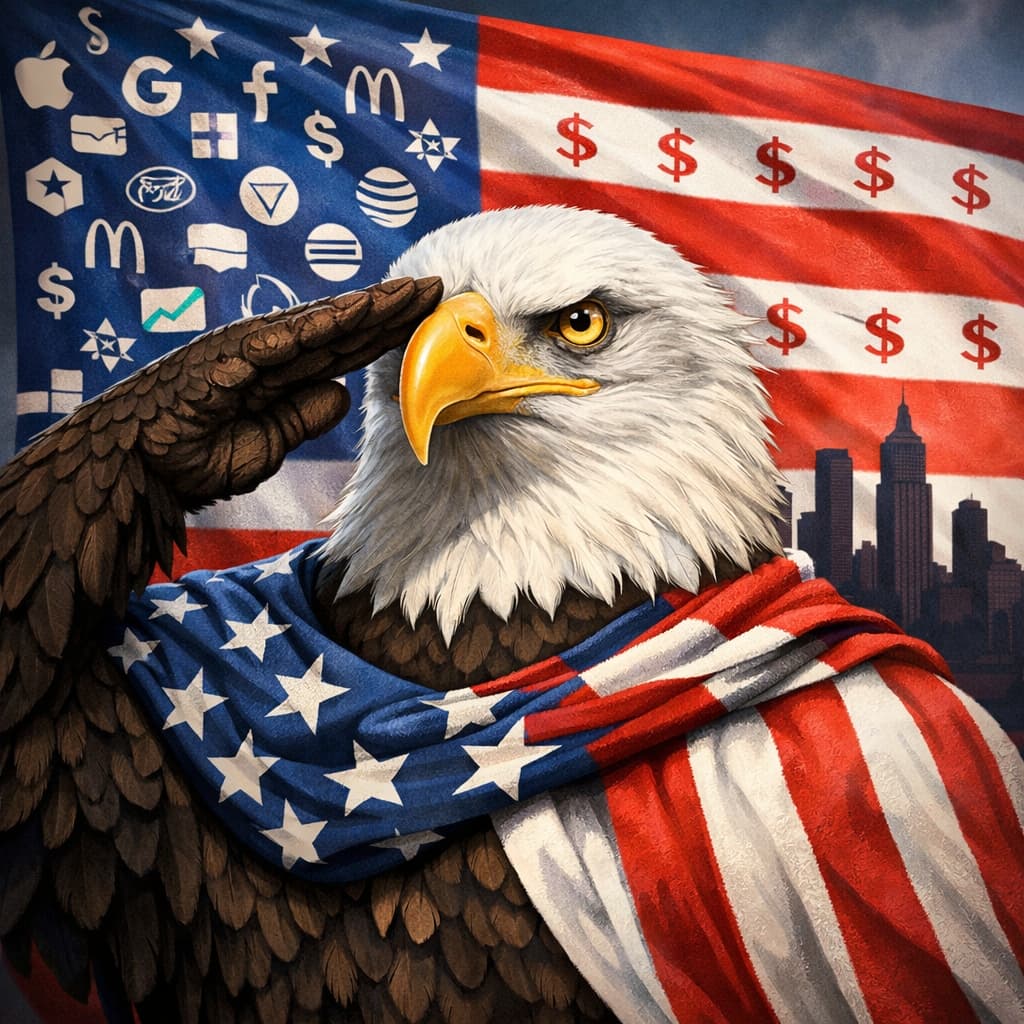

If you listen closely to the howling winds of the Arctic, you might just hear the sound of human dignity freezing to death. But if you tune into the World Economic Forum in Davos, all you will hear is the thunderous applause of billionaires cheering because a man with a spray tan decided—temporarily—not to economically strangle a continent over a piece of real estate he doesn't own. We have reached the point in our collective decline where the "concept of a deal" is treated as a geopolitical triumph, and the mere postponement of tariffs is hailed as the second coming of diplomacy.
Let’s parse the absurdity of the latest proclamation from Donald Trump regarding Greenland. The man stood before the global elite—a collection of private jet environmentalists and vulture capitalists—and insisted he wants "right, title and ownership" of an autonomous territory. Not a diplomatic alliance. Not a trade agreement. "Ownership." He speaks of sovereign land as if it were a distress-sale casino in Atlantic City, complete with the fixtures, the copper wiring, and presumably the indigenous population, whom he likely views as tenant occupants to be evicted or employed as groundskeepers. This is the logic of a landlord applied to international relations, a worldview where nations are just assets on a balance sheet waiting to be acquired by the loudest bidder.
But the true comedy lies in the walk-back. After weeks of bellicose threats involving military intervention—yes, actual kinetic warfare over ice and rare earth minerals—the President pivoted to social media to announce a "framework of a future deal." Later, on CNBC, he downgraded this further to a "concept of a deal." In the lexicon of grifters, a "concept of a deal" is what you tell your investors when you haven't actually built the prototype, secured the zoning permits, or spoken to the guy who actually owns the land. It is vaporware. It is a napkin scribble in crayon being presented as a blueprint for the Taj Mahal. And yet, because the bar for sanity is currently buried somewhere in the Earth's mantle, this nothing-burger was enough to make the financial markets rebound.
Look at the reaction from the financial sector. Wall Street rallied. The algorithms that run our lives saw the words "tariffs withdrawn" and executed buy orders faster than a politician can sell out their constituents. It doesn’t matter to the markets that the underlying premise—the forced acquisition of a territory against the will of its inhabitants—is lunacy. It only matters that the immediate threat to the quarterly earnings of BMW and Gouda cheese exporters has been paused. The market is a sociopath; it would trade futures on the apocalypse if the margins were high enough. The relief felt by investors is the relief of a hostage whose captor has decided to switch from a gun to a knife; it’s not safety, it’s just a different kind of danger.
Then we have the Europeans. The response from European leaders has been a pathetic display of battered-spouse syndrome. They welcomed the reprieve from tariffs against eight countries with the gratitude of serfs. They are so terrified of the economic stick that they are willing to pretend the carrot—this nebulous "framework"—is a real vegetable. NATO chief Mark Rutte, a man whose job involves pretending the alliance isn't held together by duct tape and prayer, offered the diplomatic understatement of the century by saying there is "a lot of work to be done." This is bureaucrat-speak for "We have no idea what he is talking about, and we are praying he gets distracted by a shiny object before he remembers he wanted to buy an island."
Meanwhile, the people actually living in Greenland—the ones who would be part of this "title and ownership" transfer—are watching this farce with what is described as "profound scepticism." That is putting it mildly. Danish MPs are voicing concern that Greenland is being sidelined. Sidelined? They aren't even in the stadium. In Trump's world, you don't ask the house if it wants to be sold. You just harass the owner until they cave. The arrogance of negotiating the fate of a people without their input is a throwback to the 19th century, a colonial mindset resurrected and given a Twitter account.
Ultimately, this entire episode is a masterclass in the art of the manufactured crisis. Create a problem that didn't exist (the urgent need to buy Greenland), threaten catastrophic consequences (tariffs and military action), and then graciously offer a non-solution (a "concept of a deal") to solve the problem you created. And the world claps. The markets rise. The pundits analyze the "strategy." It isn't strategy. It is the chaotic firing of synapses in a brain that cannot comprehend a world it does not own. We are not witnessing statecraft; we are witnessing a global real estate closing where the buyer has no money, the seller isn't selling, and the agents are all terrified of losing their commissions.
This story is an interpreted work of social commentary based on real events. Source: The Guardian