The Syrian Jailbreak Waltz: How to Hand a Gaping Wound to a Surgeon with Dirty Hands
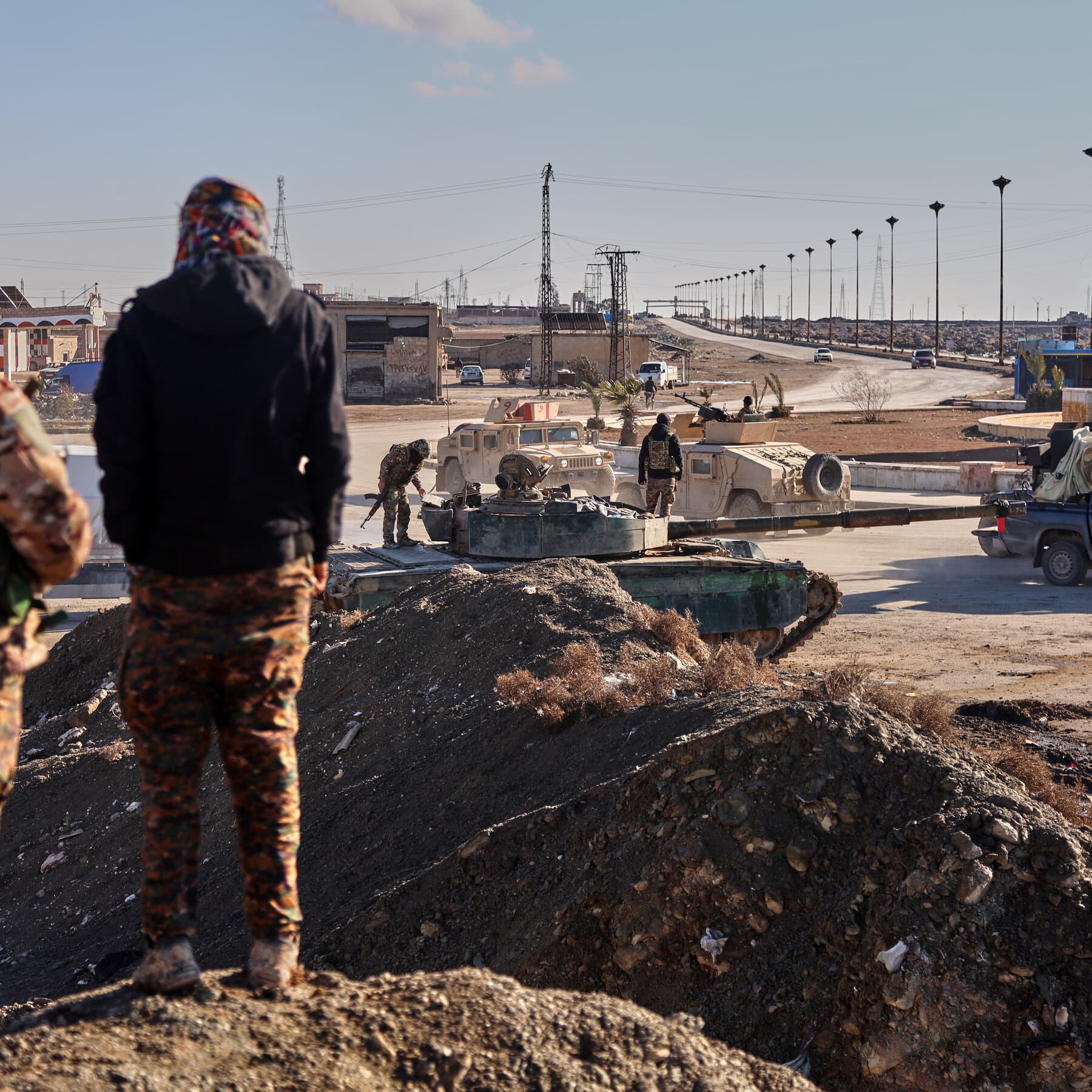
There is something almost poetic about the way the world’s most formidable powers outsource their nightmares. In the dusty, unloved expanse of Northern Syria, the Kurdish-led Syrian Democratic Forces (SDF)—the darlings of a thousand Western op-eds and the convenient 'boots on the ground' of a dozen half-baked strategies—have finally reached the limit of their altruism. The decision to hand over control of prisons housing some 8,000 Islamic State fighters to the Syrian government is not merely a logistical transition; it is a grand, operatic admission of geopolitical bankruptcy. It is the moment when the babysitter, exhausted by the screaming of the toddlers and the complete absence of any parental support, hands the keys to the local arsonist and wishes everyone a very pleasant evening.
Naturally, the handover has been greeted with the kind of immediate, violent enthusiasm we have come to expect from this particular theater of the absurd. Clashes have erupted. Tensions are flaring. It is almost as if transferring thousands of radicalized combatants from a non-state militia to a pariah government—while multiple international powers hover over the region like vultures over a dying beast—was a recipe for something other than a peaceful transition of power. Who could have possibly foreseen that such a volatile exchange would lead to bloodshed? Anyone with a pulse and a cursory knowledge of the last century of Middle Eastern history, one would assume. But in the halls of power in Washington, Brussels, and Moscow, such foresight is traditionally regarded as an inconvenient distraction from the more pressing business of issuing sternly worded press releases.
From my vantage point in an increasingly irrelevant Europe, the sheer scale of the incompetence is breathtaking. For years, the West used the SDF as a human shield against the ideological rot of the Islamic State. We praised their bravery, sent them just enough weaponry to keep the struggle alive but never enough to actually win it, and then—in a masterstroke of cynical abandonment—left them to manage a prison population the size of a small European city. These 8,000 fighters are not merely prisoners; they are the physical manifestation of the world's collective failure to address the vacuum left by the collapse of the Arab Spring. And now, in an act of desperation that is as logical as it is terrifying, the Kurds are passing the buck to Bashar al-Assad.
Consider the irony for a moment, if your stomach can handle it. The Syrian government, a regime that has spent the last decade being characterized by Western diplomats as the ultimate villain of the piece, is now being positioned as the necessary jailer. We are witnessing the rehabilitation of a dictator via the medium of administrative necessity. The message is clear: we don't care who holds the whip, as long as we don't have to look at the people being whipped. The clashes currently erupting around these prisons are the opening notes of a very predictable symphony of chaos. The Syrian government wants control, the ISIS remnants want freedom, and the Kurds simply want to survive another day without being squeezed between the two.
What makes this particularly delicious, in a morbidly intellectual sense, is the silence from the international community. Where are the grand plans? Where is the 'stabilization' we were promised? They are buried under the same sand that is currently soaking up the blood of this latest round of fighting. This is the 'I told you so' of the century. You cannot maintain a perpetual state of 'strategic ambiguity'—a fancy term for 'we have no idea what we are doing'—without the bill eventually coming due. That bill has arrived, and it is being paid in the currency of fresh violence.
As the clashes continue, we can expect the usual cycle of diplomatic hand-wringing. There will be calls for restraint, expressions of deep concern, and perhaps a special session of some committee that will achieve exactly nothing. Meanwhile, the 8,000 individuals in those prisons, many of whom regard death as a mere promotion, watch as their captors fight over who gets to hold the lock. The Syrian government, ever the pragmatist, will likely use these prisoners as a bargaining chip, a threat, or a shield, depending on the day’s requirements. This is the world we have built: a world where the only thing more dangerous than our enemies is the utter incompetence of our 'solutions.' It is not a tragedy; tragedies imply a sense of noble failure. This is a farce, written in blood and performed by actors who have long since forgotten their lines. We are all just spectators now, watching as the cage door rattles and the jailers argue over the bill.
This story is an interpreted work of social commentary based on real events. Source: NY Times