The Great Semantic Suicide: Why Two Words May Finally Choke the Federal Reserve
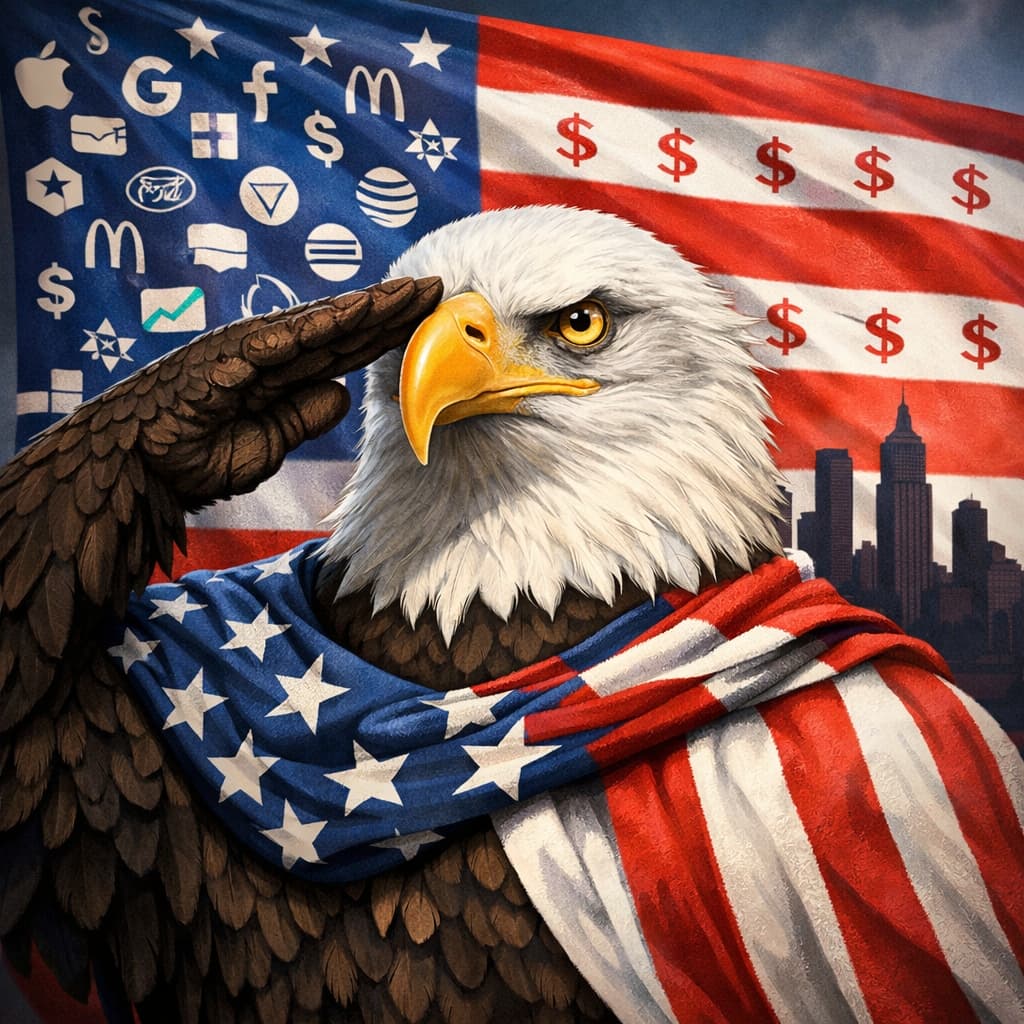
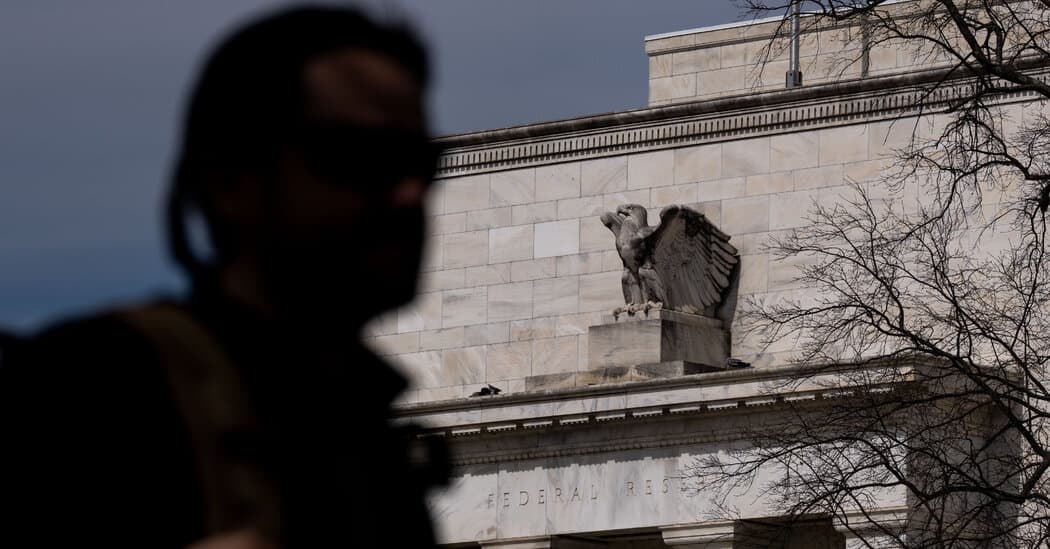
There is a particular brand of intellectual masochism required to care about the internal plumbing of the Federal Reserve, a sanctuary of technocratic high-priests who spend their days massaging interest rates as if they were soothing a colicky infant. But here we are, staring into the abyss of a legal battle over two monosyllabic words: ‘for cause.’ It is the kind of pedantic skirmish that makes one yearn for the sweet release of a meteor strike. On one side, we have the Federal Reserve, an institution that clings to the myth of ‘independence’ with the same desperation a drowning man clings to a lead weight. On the other, we have Donald Trump, a man who views the concept of ‘independence’ as a personal insult to his status as the self-appointed CEO of Reality. The conflict centers on whether a President can fire a member of the Fed board just because they didn’t lower interest rates fast enough to make the stock market do a happy dance. Currently, the law suggests a President needs ‘cause’—inefficiency, neglect of duty, or malfeasance in office. In any other profession, ‘inefficiency’ is a baseline requirement for government work, yet here it is treated as a high bar for termination.
The Supreme Court, that august body of robed ghouls who seem increasingly committed to dismantling the twentieth century one clause at a time, is now the ultimate arbiter of this charade. They have previously signaled a distaste for the ‘independent agency’ model, preferring instead a world where the President is the undisputed King of the Bureaucracy. To the conservative legal mind, the idea that a technocrat could be insulated from the whims of the electorate—or more accurately, the whims of whichever narcissist the electorate just catapulted into the Oval Office—is a violation of the Unitary Executive theory. It’s a delightful irony: the Right, which claims to love the stability of the markets, is working overtime to ensure those markets are subjected to the erratic mood swings of a man who makes policy decisions based on his last three minutes of television consumption. Meanwhile, the Left clings to Fed independence as if the central bank were a sacred temple of objective truth, ignoring the fact that the Fed’s primary function is to ensure that the wealth gap remains wide enough to be seen from the moon while keeping the peasantry just satisfied enough not to burn down the country clubs.
Let us deconstruct the absurdity of the ‘for cause’ protection. In a world that actually made sense, ‘cause’ would include the failure to predict every major inflationary spike of the last decade, or perhaps the systemic fueling of asset bubbles that make housing a distant dream for anyone without a trust fund. But in the airless rooms of the D.C. Circuit and the Supreme Court, ‘cause’ is a linguistic sandbox. If the Court decides that ‘for cause’ is unconstitutional, the Federal Reserve becomes just another branch of the executive circus, like the Department of Agriculture or the people who decide which national parks get to have clean toilets. Jerome Powell and his cohorts would be reduced to mere courtiers, auditioning for their jobs every morning by checking the President's social media feed to see what the ‘correct’ price of money should be today. It is a terrifying prospect for the Davos crowd, who genuinely believe that a committee of unelected PhDs can manage the entropy of a global economy through the sheer power of spreadsheets and vague press releases.
The historical irony is thick enough to choke on. The Federal Reserve was created to take the politics out of money, based on the quaint 1913 notion that politicians couldn’t be trusted with the printing press. Over a century later, we have realized that technocrats can’t be trusted with it either, but we’ve reached a deadlock. Do we want our economic ruin managed by cold, calculating academics who don’t know the price of a gallon of milk, or by a populist firebrand who thinks the solution to every problem is to print more gold leaf? The ‘for cause’ debate is simply the final autopsy of the American system's checks and balances. We are arguing over the lock on the barn door while the horse has not only bolted but has already been sold for glue by a private equity firm. The Supreme Court will likely use these two words to further hollow out the administrative state, not out of a sense of constitutional purity, but because they can. It is power for the sake of power, wrapped in the moth-eaten flag of judicial originalism.
In the end, whether the Fed stays ‘independent’ or becomes a presidential plaything is a distinction without a difference for the average citizen. You will still be crushed by the weight of a fiat currency that loses value faster than a New Year’s resolution. You will still be a footnote in a quarterly report. The only real change is the identity of the person holding the knife. If the Court strikes down the ‘for cause’ provision, they aren’t ‘returning power to the people’; they are returning it to a single person who views the entire global financial system as a personal piggy bank. It is the ultimate triumph of the performative over the practical. We are witnessing the slow-motion collapse of a system that survived on the delusion of stability, now being torn apart by people who can’t even agree on what a ‘cause’ is. So, let us watch the robed ghouls and the orange king fight over the dictionary while the rest of the world burns. At least we can take comfort in knowing that the destruction was legally sound and phrased with impeccable grammar.
This story is an interpreted work of social commentary based on real events. Source: NY Times