The Spreadsheet Gods Demand a Sacrifice: Navigating the Controlled Demolition of Our Collective Delusions
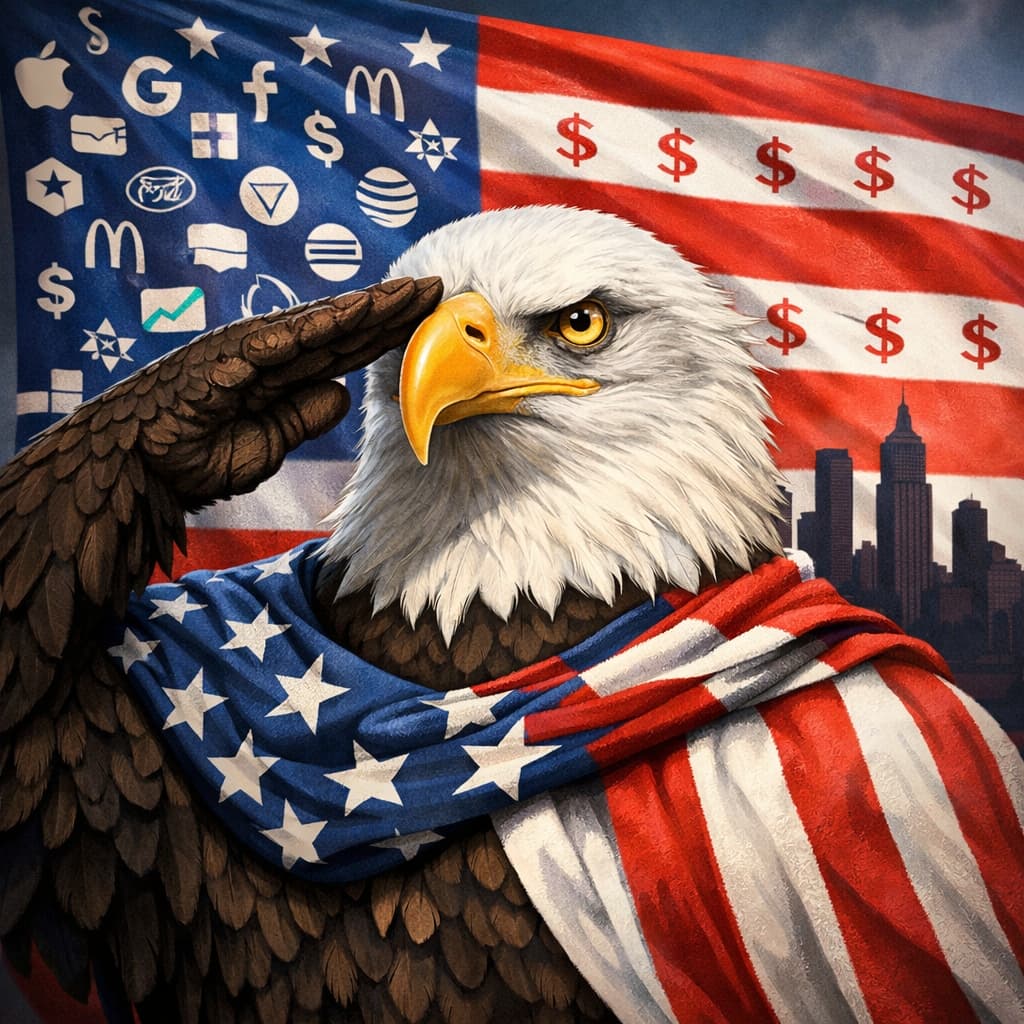

The financial world is currently hyperventilating into a designer paper bag because the numbers on the digital screens are behaving like a toddler on a sugar high at a funeral. The latest 'news'—if one can call the rhythmic gasping of the managerial class 'news'—is that market volatility is no longer just a symptom of our systemic rot, but a self-perpetuating engine of destruction. We are told to fear 'chaotic markets' because 'wild swings' might cause 'damage.' As if the status quo wasn’t already a smoldering wreckage of broken promises and debt-fueled hallucinations. Let’s be clear: the 'damage' they speak of isn't the kind felt by the person deciding between rent and insulin. No, the damage is to the delicate psychological infrastructure of the people who think they can predict the future by drawing colored lines on a graph. It is the existential dread of the hedge fund manager realizing his AI-driven trading algorithm has the emotional stability of a teenage protagonist in a dystopian novel.
On the Left, the reaction is a predictable display of performative hand-wringing. The academic elite and the Twitter-bound moralists will use this volatility to demand 'oversight' and 'regulations'—words they use with the same religious fervor that a medieval peasant used 'transubstantiation.' They want to tax the air, regulate the wind, and ensure that the inevitable collapse is managed by a committee of people who have never actually produced anything more tangible than a thirty-page white paper on 'sustainable equity.' They hate the chaos because it’s messy and hard to categorize into a neat narrative of systemic oppression. For them, a market swing is a micro-aggression on a global scale, a failure of the state to adequately cuddle the populace into a state of docile, tax-paying dependency.
On the Right, we find the usual collection of moronic sycophants and greedy ghouls who view any market dip as a personal insult from the Ghost of Marx. To them, 'volatility' is a dirty word because it interrupts the smooth extraction of wealth from the rubes who still believe in the 'American Dream.' They will scream about 'uncertainty' and 'investor confidence,' as if the market were a fickle Victorian maiden who needs to be wooed with tax cuts and the total dismantling of the EPA. They want a world where the line only goes up, fueled by the pulverized dreams of the working class and the blissful ignorance of anyone who doesn't realize that our entire economy is essentially three tech companies and a pyramid scheme involving overpriced sneakers.
The real danger, the analysts whisper, is that the chaos will feed on itself. This is the ultimate irony: a system built on the 'rationality' of the individual is currently being torn apart by the collective insanity of the crowd. We have automated our greed and outsourced our survival to high-frequency trading bots that can execute a million trades before a human can blink, and yet we are shocked when the machine decides to commit digital seppuku. Historically, we’ve been here before. Whether it was the Dutch trading tulips until they realized they were just gardening tools, or the South Sea Company selling the rights to gold mines that didn't exist, humanity has an atavistic urge to bet its collective future on imaginary assets. The difference now is that we have the internet to ensure that our stupidity is instantaneous and global.
The 'wild swings' are merely the heartbeat of a dying species. We’ve tied our pensions, our politics, and our very identities to the fluctuating value of entities that produce nothing but 'engagement' and 'user data.' When the market wobbles, the entire charade is exposed. We are terrified of the 'damage' because it forces us to look at the void. If the numbers stop going up, we have to admit that we are just apes on a rock, arguing over who gets to hold the shiny stone. The Left wants to distribute the shiny stones more fairly; the Right wants to hoard them all in a cave. Neither side seems to realize the stones are actually just painted plastic.
So, let us watch the 'chaos' with the boredom it deserves. Let the markets swing. Let the 'real danger' manifest in the form of a million panicked phone calls between people who wear fleece vests in sixty-degree weather. The damage has already been done; it was done the moment we decided that a spreadsheet was more real than the ground beneath our feet. We aren't witnessing a crisis; we are witnessing the inevitable correction of a species that forgot how to be human and decided to become a series of data points in a giant, losing game of blackjack. Don't worry about the market's 'damage.' Worry about the fact that we’re all stupid enough to care.
This story is an interpreted work of social commentary based on real events. Source: The Economist