Uber’s Desperate Onsen Pilgrimage: Where Silicon Valley Hubris Meets Rural Japanese Extinction

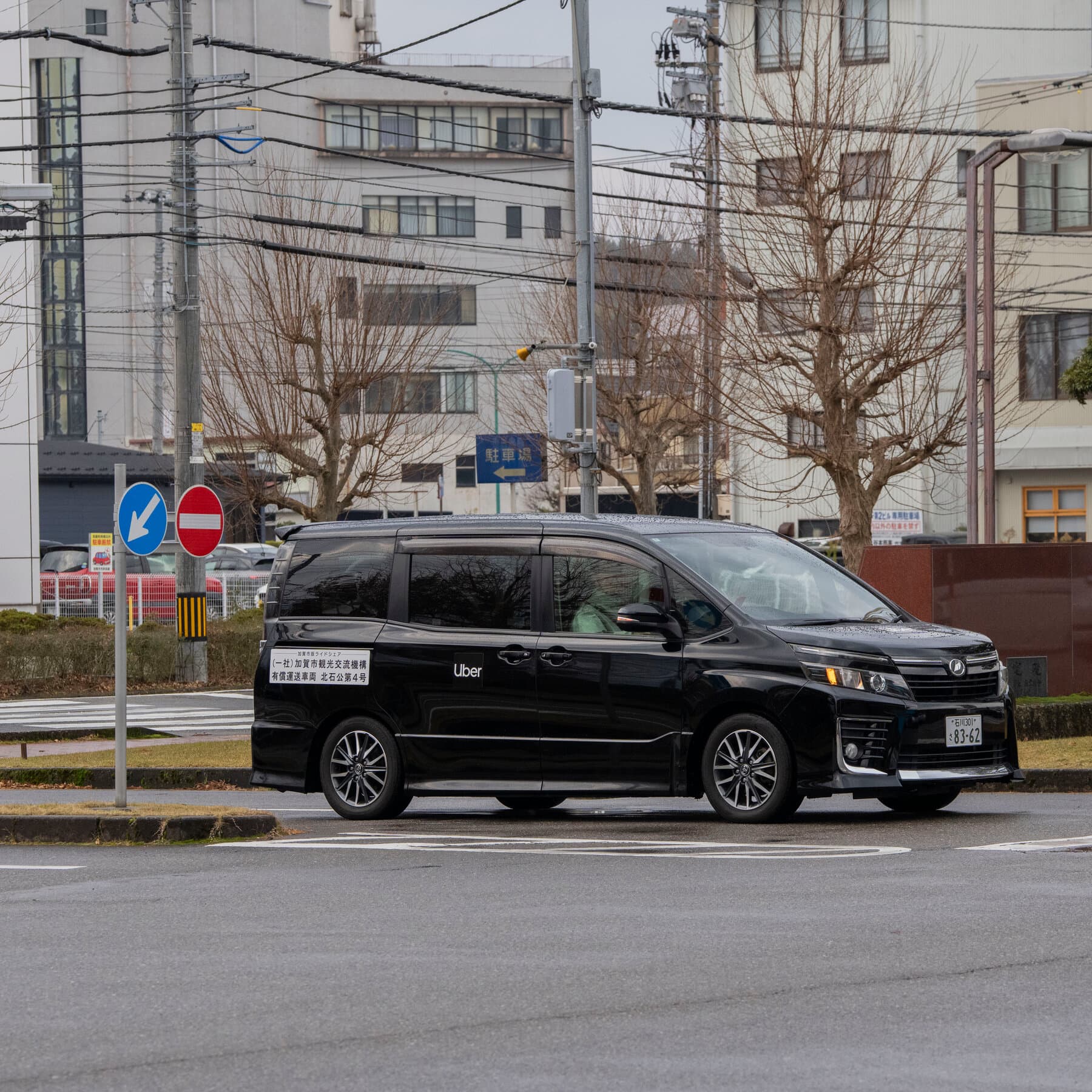
I have spent the better part of my career watching the 'disruptors' of Silicon Valley attempt to reinvent the wheel, only to realize that the wheel works significantly better when you aren't trying to charge a 3x surge fee for it. The latest spectacle in this long-running theater of the absurd features Uber—that undisputed titan of burning venture capital to subsidize our collective inability to walk—groveling at the feet of a Japanese hot-springs town. It is a match made in a very specific, very pathetic circle of hell.
On one side, we have Dara Khosrowshahi, a man whose job involves convincing the world that an app that connects you with a disgruntled stranger in a Prius is actually a miracle of modern engineering. On the other, we have the Japanese taxi industry, a fortress of lace-covered seats, white gloves, and a bureaucratic rigidity that makes the Vatican look like a startup. Uber has been trying to 'crack' Japan for years, usually with the grace of a bulldozer in a Zen garden. Having failed to conquer the neon-soaked sprawl of Tokyo, where the taxi lobby is more powerful than the laws of physics, Uber is now taking its circus to Kaga.
Kaga is a rural hot-springs town. In the parlance of modern demographics, 'rural' is often code for 'a place where the median age is roughly three years past the average life expectancy and the most popular form of entertainment is watching the bus schedule become increasingly theoretical.' It is here that Uber is making its big 'bet.' The strategy is transparently desperate: since the Japanese government won't let them steamroll the urban taxi giants, they are infiltrating the cracks in the countryside where public transport has effectively died. It’s a classic vulture maneuver—swooping in to provide 'innovation' only when the existing infrastructure has been starved to death by neglect.
I find it particularly delicious that the great 'Uber Quest' involves partnering with local governments to allow private citizens to drive. It’s called 'sharing,' which is the Silicon Valley term for 'labor without benefits or liability.' In Kaga, this means old people driving other old people to the doctor or the onsen. I can see the marketing deck now: 'Disrupting the Geriatric Transport Sector.' It’s not a revolution; it’s a symptom of collapse. When a society’s transport needs are met by an American tech firm acting as a middleman for a septuagenarian with a Honda Fit, you haven't found a market opportunity—you’ve found a graveyard.
The irony here is thick enough to choke on. The Japanese taxi industry is rightfully mocked for being a Luddite’s paradise, clinging to cash payments and paper logs as if the internet were a passing fad. They are greedy, protectionist, and spectacularly inefficient. Yet, Uber is no better. They represent the other side of the same coin: a rapacious need to extract value from every human interaction, wrapping it in the language of 'convenience' while hollowing out the very concept of a professional class. It’s a fight between a dinosaur and a virus, and I’m rooting for the asteroid.
Khosrowshahi’s 'bet' is that by proving Uber can work in the desperate hinterlands, he can eventually shame the central government into a nationwide deregulation. Good luck with that. He is dealing with a bureaucracy that has perfected the art of the 'slow-no.' They will study the Kaga experiment for twenty years, form three dozen committees, and then decide that while the app is technically functional, it lacks the 'spiritual harmony' required for a truly Japanese ride-hailing experience.
Meanwhile, the people of Kaga get to be the lab rats in this experiment. They are being told that the 'gig economy' is their savior. I’ve seen this movie before. It starts with 'providing essential services' and ends with everyone being an independent contractor for their own survival. Uber isn’t saving rural Japan; it’s just colonizing its decay. If this is the future of mobility, I’d rather crawl. At least then, I wouldn't have to worry about whether my driver is trying to hit a 'quest' bonus while navigating a mountain pass in a blizzard. This isn't innovation; it’s just the final, frantic scraping of the bottom of the global barrel.
This story is an interpreted work of social commentary based on real events. Source: NY Times