Operation Hot Potato: The U.S. Military’s Desperate Shuffle of 7,000 ISIS Fighters to the 'Safety' of Iraq

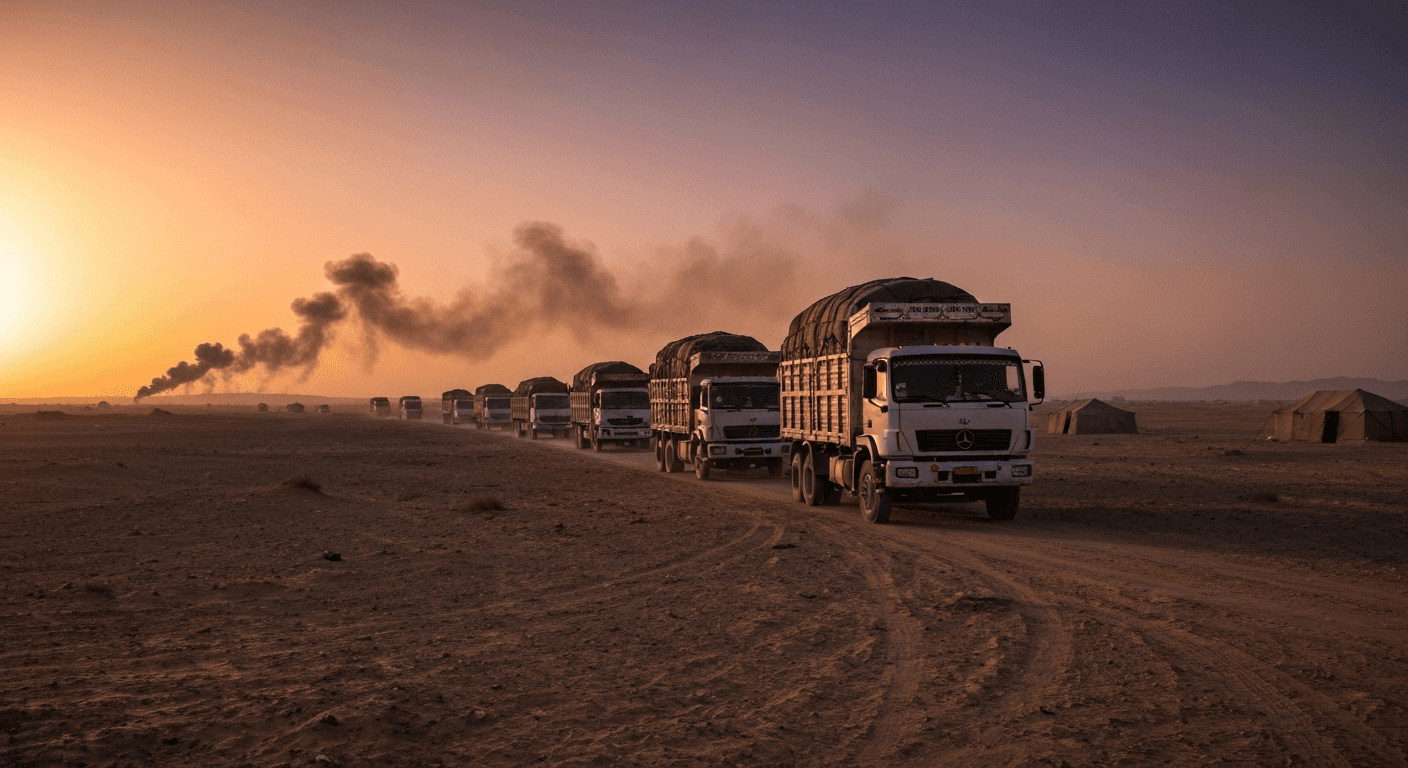
If you listen closely to the winds blowing across the arid wastelands of the Levant, you can hear the distinct, rhythmic sound of the American military industrial complex slapping its own forehead in exasperation. In a move that perfectly encapsulates the futility of modern interventionism, the United States military has decided that the best way to handle a festering wound is to simply smear the infection onto a slightly different part of the body. The Pentagon is currently in the process of transferring up to 7,000 ISIS detainees from Syria to Iraq. Yes, you read that correctly. We are taking thousands of radicalized combatants from one unstable war zone and shipping them next door to another unstable war zone, presumably because the optics of them escaping in Syria are slightly worse than the optics of them eventually escaping in Iraq.
This frantic logistical pivot comes on the heels of a jailbreak earlier this week, a predictable eventuality that anyone with a pulse and a history book could have foreseen. The detainees were being held in parts of Syria by U.S. partners—the Kurds, essentially—who have been left holding the bag for Western foreign policy failures for the better part of a decade. Now, with Syrian government forces advancing into territories long held by these U.S. proxies, the house of cards is collapsing. The regime of Bashar al-Assad, the man the West spent years insisting must go, is now reclaiming the land, and the United States is scrambling to evacuate its most toxic assets: 7,000 living, breathing remnants of the Caliphate.
The sheer absurdity of this operation requires a moment of pause to truly appreciate. We are not talking about moving a few crates of surplus ammunition or some expired MREs. We are talking about the relocation of a small army of ideologically possessed fighters. This is a logistical nightmare that would make a sane strategist weep. These are men who have dedicated their lives to the destruction of the very entities now chauffeuring them across the border. The U.S. military is effectively running a high-security Uber service for terrorists, shuttling them from a collapsing front to a country that the United States broke, half-fixed, and then abandoned, only to return to when the previous batch of bad ideas caught fire.
Why Iraq? One has to marvel at the dark comedy of choosing Iraq as the repository for stability and secure incarceration. This is the same Iraq that served as the incubator for ISIS in the first place. It is the cradle of the insurgency. Moving ISIS fighters from Syria to Iraq to keep them safe is akin to moving pyromaniacs from a burning building into a fireworks factory to prevent them from playing with matches. It betrays a level of desperation that smells of panic in the corridors of Washington. The strategy seems to be entirely reactive: the Syrian Army is marching, the jails are leaking, and the Americans are terrified that thousands of jihadists will flood back into the desert to restart the cycle of violence that keeps defense contractors wealthy and soldiers deployed indefinitely.
The situation highlights the absolute hollowness of the "defeat" of ISIS. We were told the Caliphate was crushed, the territory liberated, and the mission accomplished. Yet, here we are, years later, realizing that "crushed" simply meant "warehoused." We didn't solve the problem; we just put it in a cage and hoped the world would stop turning. But the world didn't stop. Geopolitics continued to churn. The Syrian civil war, which the West grew bored of once the headlines faded, has ground on. Assad, backed by his own patrons, is consolidating power. The vacuum the U.S. maintained is being filled by the reality of the region, and reality has no patience for American half-measures.
What is truly scathing about this development is the predictability of it all. Did the Pentagon planners truly believe that the Syrian Democratic Forces could act as indefinite jailors for thousands of international terrorists while surrounded by hostile actors? Did they think the status quo in a fractured Syria would freeze in amber forever? Of course not. But in the myopic worldview of the modern superpower, the long term is someone else's problem. The goal is never to fix the issue; it is to survive the news cycle. The jailbreak was the trigger, but the gun was loaded years ago when the West decided to intervene without a plan for the aftermath.
So, 7,000 prisoners will take a road trip. They will be processed, counted, and dumped into Iraqi facilities that are likely already overstretched, underfunded, and rife with the same sectarian tensions that fueled the rise of extremism to begin with. The American taxpayer will foot the bill for the transport, the security, and the inevitable fallout when this temporary fix bursts at the seams. It is a shell game played with human lives and fanatical ideologies, where the only winning move is to not play, yet we insist on rolling the dice again and again. The Syrian government advances, the U.S. retreats, and the prisoners simply change zip codes. The war on terror hasn't ended; it has just become a custodial duty, and the janitors are tired.
This story is an interpreted work of social commentary based on real events. Source: Washington Post