Rhythmic Anesthesia: Venezuela Swaps One Dictatorial Jig for a Viral Delusion

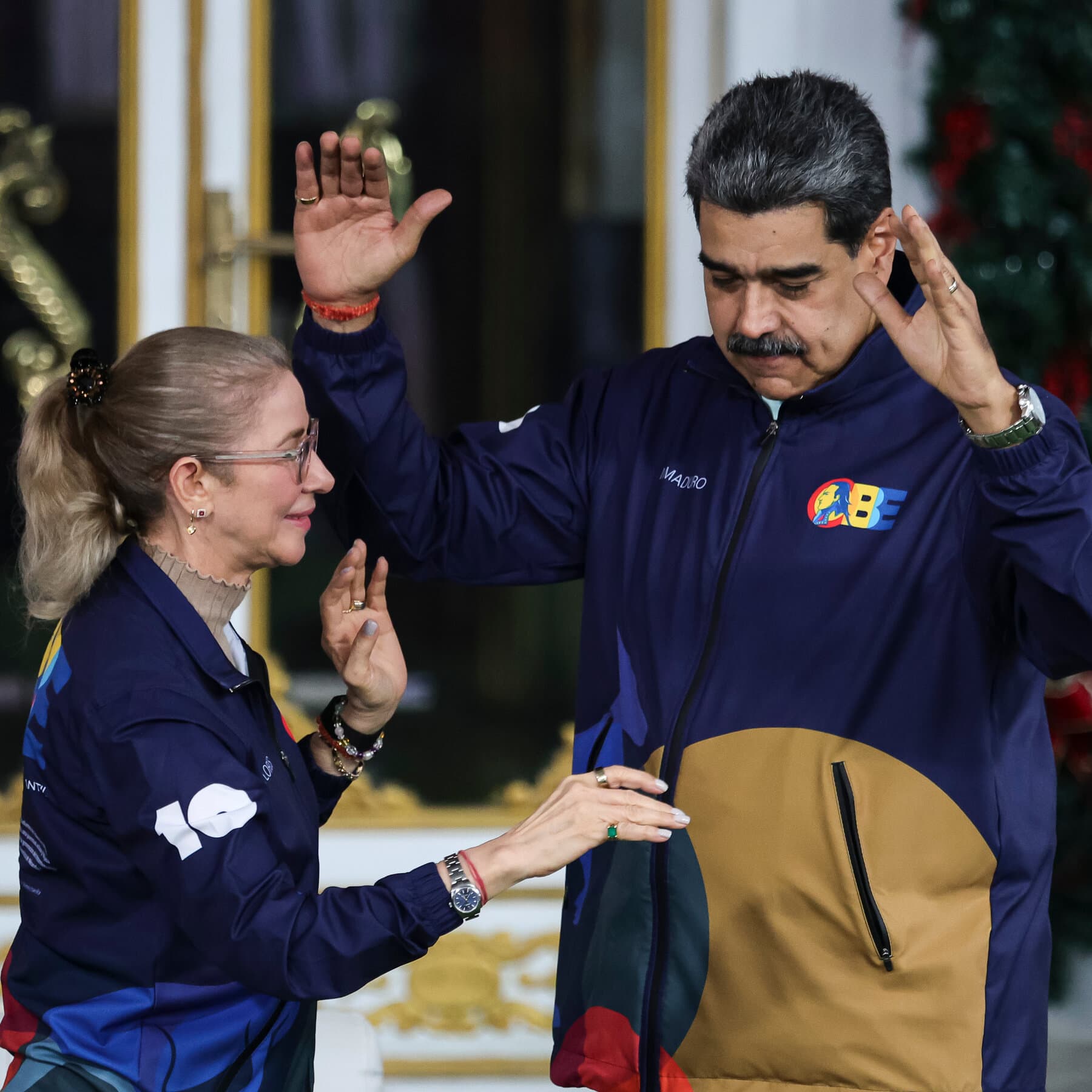
There is a peculiar, almost pathological comfort in watching a nation collapse to a soundtrack. In Venezuela, a country that has successfully turned the concept of a sovereign currency into a cruel joke and high-quality petroleum into a memory, the primary export has shifted from oil to performative choreography. For decades, the world has been forced to endure the sight of Nicolás Maduro—a man who carries himself with the rhythmic grace of a waterlogged refrigerator—dancing the salsa on state television while his citizenry lost an average of twenty pounds due to involuntary fasting. It was the ultimate middle finger in 4/4 time: a regime so comfortably entrenched in its own rot that it felt the need to shimmy atop the rubble.
But now, the news cycle tells us there is a 'new rhythm' going viral. The opposition, having realized that twenty years of moralizing and failed coups have the efficacy of a screen door on a submarine, has pivoted to the only thing the modern world understands: TikTok-friendly beats. It is the natural evolution of the lobotomized political landscape. If you cannot provide electricity, medicine, or a future that doesn't involve fleeing across a continent, you provide a catchy hook. The 'Last Dance' of Maduro is not being met with a sober discussion on fiscal restructuring or the restoration of the rule of law; it is being met with a counter-choreography. It’s a battle of the bands where the prize is the right to preside over a graveyard.
The absurdity of this transition cannot be overstated. We are witnessing the final triumph of optics over existence. Maduro’s movement, the Chavismo machine, used music as a form of auditory domestic abuse for years. It was the sound of 'the people,' provided that 'the people' were a curated group of government employees required to clap or lose their grocery rations. It was folk music weaponized into a blunt instrument. Now, the opposition has simply updated the software. They’ve traded the outdated salsa for a more digitized, viral tempo, hoping that the dopamine hit of a trending audio clip will somehow suffice where international sanctions and diplomatic platitudes have failed. It is a testament to the terminal stupidity of the human race that we believe a change in genre constitutes a change in destiny.
Let’s be clear about the players in this tragicomedy. On one side, you have the incumbent regime, a collection of mustachioed kleptocrats who have managed to make the word 'socialism' synonymous with 'empty shelves' and 'extrajudicial boredom.' They dance because it projects an image of normalcy—a frantic, sweating normalcy that smells of desperation and cheap cologne. On the other side, you have an opposition that has spent the better part of two decades being outmaneuvered by a man who was once a bus driver. Their new strategy of 'viral rhythms' is the political equivalent of bringing a ukelele to a knife fight. They are chasing 'engagement metrics' while the regime is busy managing the logistics of repression. It would be funny if it weren't so profoundly pathetic.
This 'new rhythm' the media is so excited about is nothing more than a fresh coat of paint on a burning building. It highlights the terrifying reality that modern politics, whether in the Caracas slums or the halls of the EU, has become a branch of the entertainment industry. We no longer ask for leaders; we ask for content creators. The Venezuelan people, exhausted by the crushing weight of a failed state, are being offered a playlist as a palliative. It is a form of rhythmic anesthesia. If you can get the crowd to move their feet, they might forget for a moment that they have nowhere to go.
Historically, when a civilization reaches this level of performative nonsense, the end is usually uncomfortably close and remarkably loud. But in the age of the viral clip, the end doesn't come with a bang; it comes with a synchronized dance routine. The Left will claim this is a grassroots awakening of the spirit, ignoring the fact that spirits don't fill stomachs. The Right will herald it as a triumph of liberty, ignoring the fact that the same people will be dancing to the next strongman's tune in five years if the bass line is heavy enough. Both sides are equally guilty of treating a national catastrophe like a marketing campaign.
As the 'last dance' fades and the 'new rhythm' takes over, the fundamental reality of Venezuela remains unchanged. The infrastructure is crumbling, the talent has emigrated, and the coffers are being picked clean by whoever has the most guns. But please, by all means, keep the music playing. It drowns out the sound of the collapse. It’s a beautiful, syncopated descent into oblivion, and the world is happy to watch, as long as the video is under sixty seconds and the lighting is decent. In the end, Maduro and his rivals are just two different DJs at the same funeral, arguing over who gets to play the closing track while the mourners look for the exit.
This story is an interpreted work of social commentary based on real events. Source: NY Times