The Junk-Industrial Complex Fails to File Its Homework: Shanghai Reminds Temu Who Actually Owns the Trash
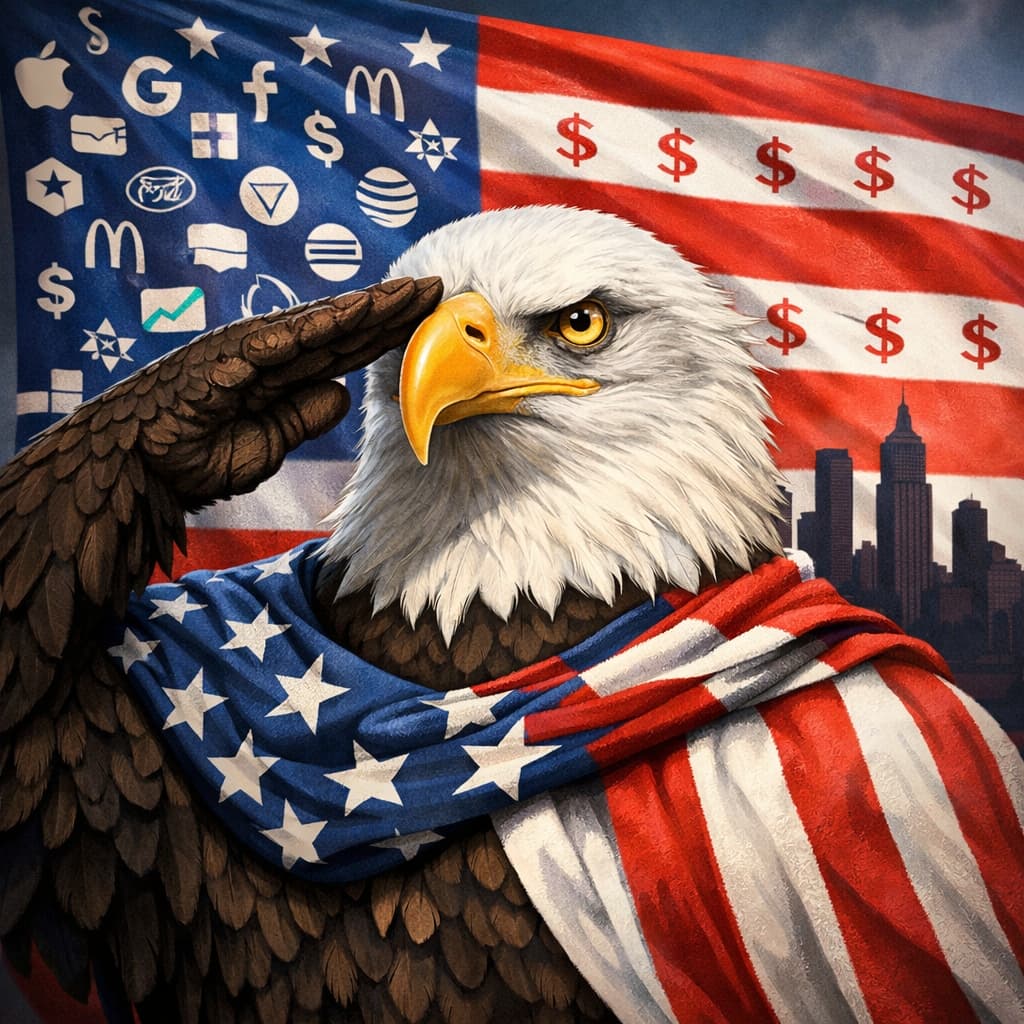

In a world currently vibrating with the low-frequency hum of impending societal collapse, it is comforting to know that some things remain eternally, painfully mundane. Shanghai’s tax authority has seen fit to fine an operating entity of PDD Holdings—the parent company of Temu and Pinduoduo—for the high crime of failing to comply with local tax requirements. It is a story so dry it could be used as a desiccant in the very same orange plastic bags Temu uses to ship $3 Bluetooth speakers to the bored and the damned. According to the state-run Xinhua news agency, Shanghai Xunmeng Information Technology, a PDD subsidiary, neglected to report necessary information regarding platform operators and employees for the third quarter of 2025. One can only assume the reporting was delayed because everyone at the office was too busy calculating how many more micro-plastics they could legally fit into a toddler’s onesie.
Let’s pause to appreciate the exquisite irony of an entity named 'Shanghai Xunmeng'—which roughly translates to 'Seeking Dreams'—being slapped by the cold, damp towel of a tax audit. In the modern era, 'seeking dreams' apparently involves managing a digital bazaar of landfill-bound detritus and then failing to tell the government which specific cogs were turning the wheel. The failure to report information on 'platform operators' is particularly delicious. In the eyes of the state, visibility is everything. In the eyes of the corporation, obfuscation is a business model. When these two leviathans collide, the resulting sparks aren't a sign of justice; they are simply the sound of the house taking its rake from the poker table of global capitalism.
The global response to this will be, as usual, a masterclass in intellectual bankruptcy. The performative Left will undoubtedly cheer for the 'crackdown' on a corporate giant, momentarily forgetting that they spent their last paycheck on a 'Save the Bees' tote bag manufactured in the very factories PDD oversees, likely transported via a logistics chain that treats human rights as a quaint suggestion. Meanwhile, the free-market fetishists on the Right will decry this as 'communist overreach,' ignoring the fact that their beloved 'free market' has been hollowed out by state-subsidized shipping rates and a race to the bottom that has left Western retail districts looking like the aftermath of a localized nuclear strike. Both sides are equally addicted to the dopamine hit of a cheap bargain, and both are equally incapable of seeing that the fine isn't a correction—it’s a transaction.
The failure to report data for the third quarter of 2025 is a fascinating detail. It suggests a future where the bureaucracy is already sharpening its knives for events that haven’t even finished happening yet. It is the ultimate expression of the surveillance state’s appetite: it doesn't just want your money; it wants your spreadsheets. It wants to know exactly who is selling the plastic hair clips and who is packing the boxes. In the grand ledger of human history, PDD Holdings represents the final, desperate stage of consumerism—a perpetual motion machine of garbage. That the Shanghai tax bureau found a discrepancy in the paperwork is like finding a parking ticket on a getaway car fleeing a bank heist. It’s technically correct, but it misses the larger point that the entire vehicle shouldn't exist.
We live in an age where 'information technology' has been reduced to finding more efficient ways to sell people things they don't need with money they don't have, to impress people they don't like. Pinduoduo and Temu are the apex predators of this ecosystem, turning the act of shopping into a gamified descent into madness. The fact that they 'failed to report necessary information' is the only honest thing about them. Why report? The data would only confirm what we already know: that we are drowning in a sea of cheap polyester and lithium-ion batteries, and the only people winning are the ones collecting the fines and the ones collecting the dividends.
This isn't a story about 'tax law' or 'corporate governance.' It is a story about the inevitable friction that occurs when the digital cloud of global commerce tries to pretend it isn't tethered to the physical reality of a state. The Shanghai tax authority isn't protecting the consumer; it’s protecting its cut. PDD Holdings isn't 'seeking dreams'; it’s seeking a way to keep the music playing while the chairs are being sold off for scrap. And you, the consumer, are just the mark, waiting for your next package to arrive, blissfully unaware that the 'information' the government is so keen to track is essentially a list of the ways you’ve been fleeced. Sleep well, humanity. Your $2.50 spatula is on its way, and the government has ensured the paperwork is finally in order.
This story is an interpreted work of social commentary based on real events. Source: SCMP