The Audacity of Reporting: Philippines Discovers Terrorism in a Journalist’s Petty Cash
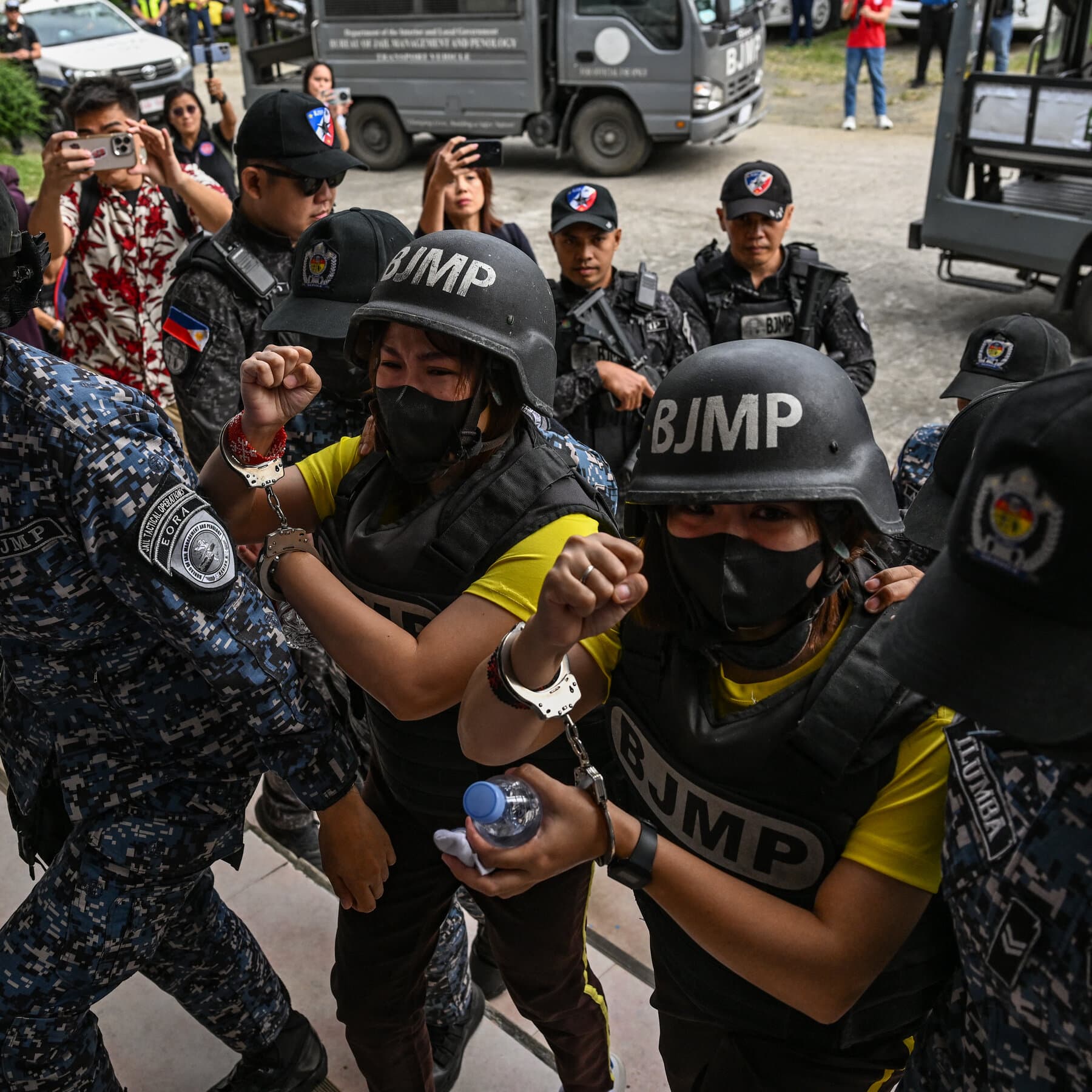
It is a truth universally acknowledged that a government in possession of a crumbling moral compass must be in want of a scapegoat. And in the grand, tragicomic theater of Philippine politics, there is no scapegoat quite as fashionable, or as vulnerable, as the community journalist. The recent conviction of Frenchie Mae Cumpio by a Tacloban court is less a judicial decision and more a masterclass in bureaucratic surrealism. Convicted of "financing terrorism," Ms. Cumpio—a 26-year-old scribe who likely considers an extra shot of espresso a luxury—has been sentenced to up to 18 years in prison. One must pause to admire the sheer narrative audacity of the state: painting a local reporter as a financial kingpin of the revolution.
Let us deconstruct the accusation for a moment, shall we? "Financing terrorism." The phrase conjures images of wire transfers routed through shell companies in Panama, suitcases full of non-sequential bills, and shadowy figures in bespoke suits orchestrating geopolitical chaos. In the Philippines, however, the bar for being a financial mastermind is apparently much lower. Cumpio, the executive director of the news outlet Eastern Vista, and her companion Mariel Domequil were arrested in a pre-dawn raid in 2020. The authorities claimed to have found firearms and explosives—the standard "starter pack" allegedly planted during such raids, a cliché so tired it belongs in a bad 1980s novella—and, crucially, money. This money, we are led to believe, was not for the mundane operational costs of running a small media outlet or, heaven forbid, buying rice. No, in the fever dreams of the security apparatus, these pesos were the lifeblood of the New People’s Army.
The genius of charging a journalist with financing terrorism rather than simple libel or sedition is that it shuts down the conversation immediately. It is a sterile, administrative weapon. It invokes the specter of global security protocols. It nods gravely to the international community, saying, "Look, we are not oppressing the press; we are fighting money laundering." It is a lie, of course, but it is a sophisticated lie. It transforms a young woman with a notepad into a monolithic threat to national sovereignty. It allows the state to freeze assets that barely exist and lock away dissenters under the guise of fiscal responsibility. It is lawfare at its most cynical.
One cannot overlook the deliciously bitter irony of the Philippine judicial system cracking down on "illicit financing." This is a nation where actual plunder—the wholesale looting of state coffers by dynastic politicians—is treated as a minor résumé blemish, often rewarded with a Senate seat or a triumphant return to the presidential palace. Billions of pesos vanish into the ether of pork barrel scams and ghost projects, and the perpetrators act as grandees of the republic, untouched and unbothered. Yet, the full weight of the law crashes down on a community journalist in Tacloban. The message is clear: Stealing from the poor is politics; speaking for them is terrorism.
This conviction is the logical endpoint of "red-tagging," a particularly Filipino flavor of McCarthyism where anyone to the left of a feudal lord is labeled a communist combatant. Cumpio had been red-tagged long before her arrest. She was marked. Her crime was not handling money; her crime was visibility. By reporting on human rights abuses in the Eastern Visayas—one of the poorest regions in the archipelago—she committed the unforgivable sin of embarrassing those in power. And power, as we know, is incredibly fragile in authoritarian regimes. It cannot withstand the scrutiny of a 20-something holding a microphone.
The sentence itself—up to 18 years—is designed to be a tombstone. It is a number meant to hollow out the soul. It tells every other journalist in the provinces: "Do not look too closely. Do not write too clearly. Or we will take your youth away from you, and we will do it with the paperwork of a bank audit." It is the banalization of tyranny. There are no tanks rolling down the streets of Tacloban today, just a judge banging a gavel and signing a document that erases two women’s futures.
We sit here in our comfortable armchairs, scrolling through the headlines, shaking our heads at the "backsliding of democracy." But let us not be naive. This isn't backsliding. This is the system working exactly as intended by its architects. The law in the Philippines, much like in many other post-colonial theatrical states, is not a shield for the citizen. It is a bludgeon for the ruler. Frenchie Mae Cumpio is not a financier of terrorism. She is a creditor to the truth, and the state has decided to default on the debt by liquidating the collector. It is efficient, it is cruel, and it is utterly devoid of shame. Welcome to the new normal, same as the old normal, just with better legal jargon.
This story is an interpreted work of social commentary based on real events. Source: NY Times