The Immersive Lobotomy: Why ‘Masquerade’ is the Final Nail in the Coffin of Human Taste

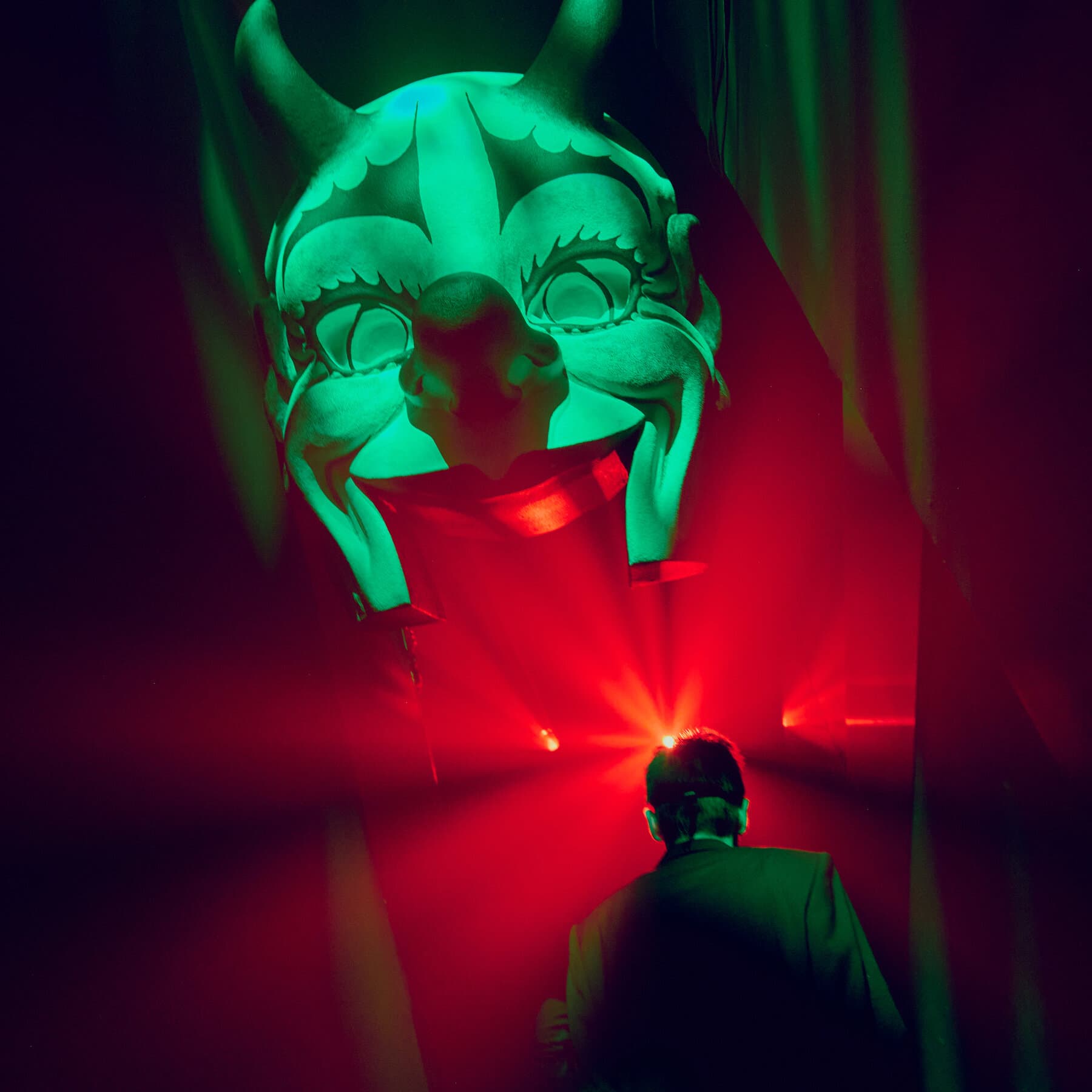
There is a particular brand of psychological devastation that can only be found in the lobby of a Broadway-adjacent 'experience.' We have reached the point in our collective cognitive decline where the traditional proscenium arch is considered too 'distanced' for the modern, attention-deficient consumer. Enter ‘Masquerade,’ the latest attempt to reheat the cold, gelatinous remains of Andrew Lloyd Webber’s 'The Phantom of the Opera' and serve it to a public that would happily eat sawdust if it were sprinkled with glitter and labeled 'immersive.' The news that fans are flocking to this production—some returning as many as a dozen times since it slithered into existence last summer—is about as surprising as finding out that water is wet or that a politician’s promise has the shelf life of an open tuna can in the Mojave. This is not a cultural milestone; it is a clinical symptom.
Twelve times. Let that number sink into whatever remains of your critical faculties. To see the same show twelve times is not a sign of dedication; it is a cry for help. It is the theatrical equivalent of a lab rat pressing a lever for a pellet of sugar, except the rat is wearing a rented tuxedo and the sugar is a sub-par rendition of ‘The Music of the Night’ played through speakers hidden in a fake candelabra. We are witnessing the ultimate end-stage capitalist evolution: the transition from art as observation to art as a participatory delusion. The audience no longer wants to be told a story; they want to pay three hundred dollars to stand in the way of the actors while pretending they are part of a nineteenth-century French aristocracy that would have had them arrested for loitering.
Predictably, the political spectrum has found its own ways to be moronic about this. On the Right, you have the crusty traditionalists who flock to ‘Masquerade’ because it smells like ‘heritage’ and ‘class.’ They love the idea of a masked man asserting dominance from a basement—it reminds them of their favorite tax-evasion strategies or their vision for a well-ordered society where the elites are literally untouchable. They ignore the fact that the story is fundamentally about a disfigured stalker because, to them, wealth and a good organ solo excuse any amount of criminal obsession. On the Left, you have the performative 'experience' junkies who crave the illusion of participation because their actual lives are spent staring at glowing rectangles in windowless apartments. They view the 'immersive' nature of the show as a breakthrough in inclusivity, as if being allowed to breathe the same stale, fog-machine-laden air as a professional singer is a victory for the common man. They are 'living their truth' in a scripted warehouse, oblivious to the fact that 'immersive' is just marketing speak for 'we didn't want to build a real stage, so you’re going to stand for three hours.'
And what, exactly, are they immersing themselves in? The 'Phantom' is the original 'incel' anthem, a narrative that rewards a kidnapping-prone basement-dweller with a hauntingly catchy score. Reimagining it for an immersive setting doesn't add depth; it just adds humidity. It is a safe space for the intellectually bankrupt. In a world facing climate collapse, systemic corruption, and the slow-motion car crash of global diplomacy, humanity has decided that the most pressing use of its time and disposable income is to play dress-up in a ballroom. We are a species that has given up on the future, so we have decided to loop the past until the tape wears thin.
Andrew Lloyd Webber is, of course, the patron saint of this banality. He is a man who realized decades ago that if you make something loud enough, expensive enough, and repetitive enough, the public will eventually develop Stockholm Syndrome and call it a masterpiece. By removing the seats and letting the 'Phans' wander through the set, the producers have removed the last barrier between the product and the consumer. It is a direct injection of nostalgia, a cultural heroin that keeps the masses from noticing that they are paying for the privilege of their own distraction. The fans return twelve times because the 'Masquerade' is the only place where the masks make sense. Outside, they have to pretend they aren't complicit in the slow rot of civilization. Inside, they can just be part of the scenery. If this is the future of entertainment, the Phantom shouldn't be the only one wearing a mask; we should all be covering our eyes in shame.
This story is an interpreted work of social commentary based on real events. Source: NY Times