The Great Silicon Siphon: Beijing and Washington Wage a Proxy War Over Taiwan’s Liquidation Sale
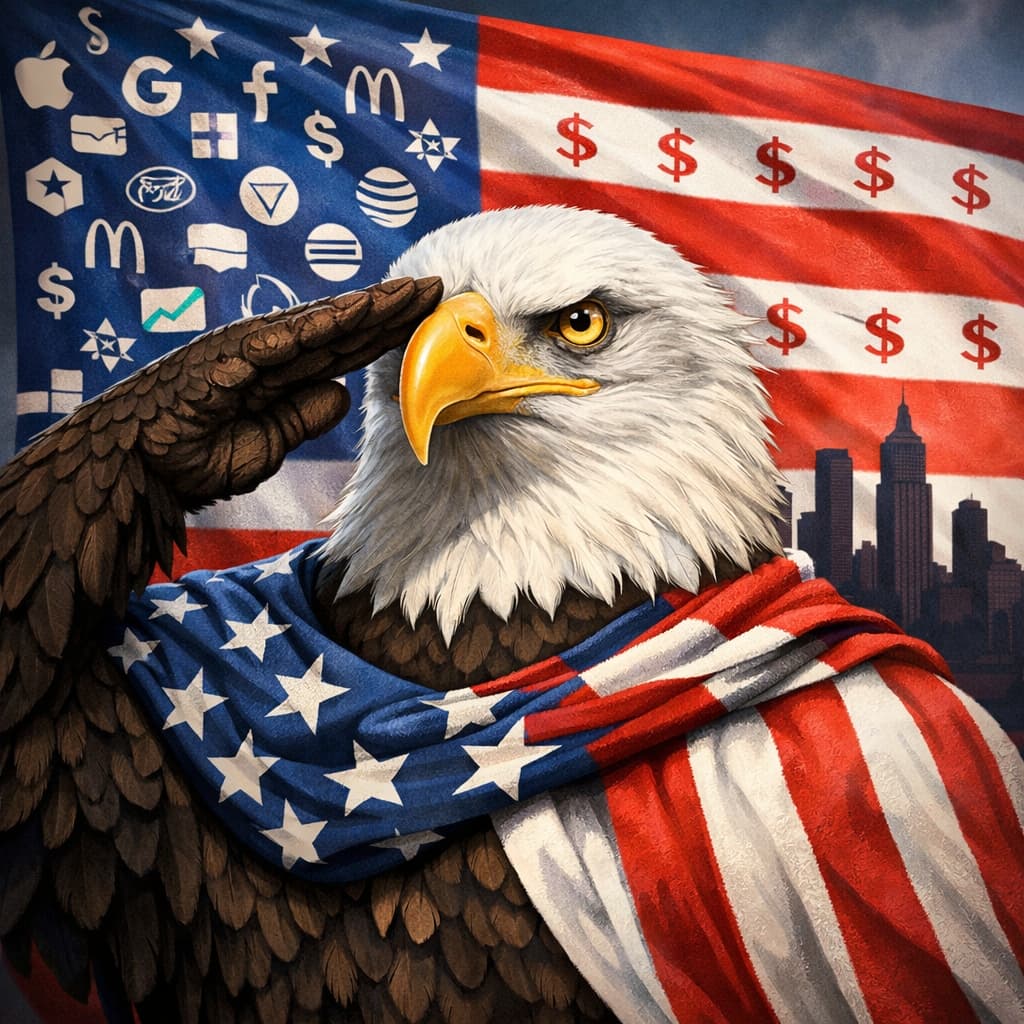

In the grand, suffocating theater of global geopolitics, we are currently being treated to a particularly nauseating performance of the ‘Pot Calling the Kettle a Resource-Sucking Vampire.’ Beijing, a regime that has never met a neighbor it didn’t want to intellectually and economically strip-mine, has emerged from behind its Great Firewall to express a sudden, touching concern for the economic vitality of Taiwan. According to the latest grunts from the Chinese Ministry of Foreign Affairs, the ‘US-Taiwan Initiative on 21st-Century Trade’ is not a bridge to prosperity, but a giant industrial vacuum designed to drain the island’s wealth and ‘strategic advantages’ straight into the pockets of the American hegemon. It is a rare moment of honesty from Beijing, not because they care about Taiwan’s survival, but because they are professionally jealous of anyone else performing the theft they’ve had scheduled for their own timeline.
The rhetoric is as predictable as it is exhausting. China claims that Washington is essentially hollowing out the island, turning it into a vassal state that provides all the high-end semiconductors the Pentagon needs while leaving the locals with the bill and a target on their backs. And while the source of this critique is a government that views ‘trade’ as a precursor to ‘annexation,’ the most inconvenient part of the whole affair is that they aren’t entirely wrong. Washington’s sudden, feverish interest in Taiwanese ‘trade’ has the distinct aroma of a man who only starts being nice to his wealthy, elderly aunt once he hears she’s been diagnosed with something terminal. The US doesn’t do ‘partnerships’; it does acquisitions. The ‘21st-Century Trade’ initiative is a masterpiece of bureaucratic doublespeak, a title so vapidly optimistic it could only have been generated by a committee of people who haven’t felt a human emotion since the late nineties.
What, precisely, are these ‘strategic advantages’ that China is so worried about losing? It is a euphemism for the Silicon Shield—the reality that Taiwan produces the only microchips sophisticated enough to keep the world’s guided missiles and dopamine-delivery smartphones running. Beijing’s fear is that the US, under the guise of ‘trade facilitation’ and ‘regulatory harmony,’ is actually engaged in a massive, slow-motion relocation of Taiwan’s intellectual property to the American desert. Washington calls it ‘friend-shoring.’ In reality, it’s the geopolitical equivalent of a landlord taking the copper wiring out of a building because he knows the neighborhood is about to go up in flames. The Americans want the tech, the talent, and the manufacturing secrets safe within the borders of Arizona before the first blockade begins. They aren't saving Taiwan; they are backing up the hard drive before they toss the laptop in the bin.
Taiwan, meanwhile, is caught in a pincer movement of breathtaking hypocrisy. On one side, they have a mainland that treats them like a runaway province that needs to be brought home via a series of increasingly aggressive ‘exercises.’ On the other, they have a ‘protector’ that is currently dismantling the very economic leverage that keeps the world interested in Taiwan’s safety. If the US successfully ‘drains’ the economic advantages as Beijing suggests, Taiwan ceases to be a vital strategic partner and becomes merely a very expensive, very exposed aircraft carrier. This is the irony of the situation that neither side wants to acknowledge: Taiwan’s only real security is the world’s dependence on its factories. By ‘securing’ that supply chain, Washington is effectively making the island more disposable.
Historical parallels are everywhere, though they are rarely comforting. We’ve seen this script before, where two crumbling empires bicker over a smaller, more efficient entity until there’s nothing left but dust and debt. Beijing plays the role of the jilted lover, screaming that the new suitor is only after the money, while the new suitor—Washington—smiles broadly and reaches for the jewelry box. Neither side is concerned with the actual people living on that island; they are concerned with the math. How many chips can we secure? How much influence can we deny the other? The ‘trade deal’ is just the latest ledger entry in a bankruptcy proceeding for the 21st century.
Ultimately, this is the state of our world: a choice between being devoured by a dragon or drained by a leech. Beijing’s warnings of ‘drainage’ are merely an admission that they wanted to be the ones holding the straw. Washington’s promises of ‘benefit’ are the same hollow platitudes they’ve offered to every nation they’ve eventually left in the lurch once the cost-benefit analysis shifted. As the two giants trade insults and ‘initiatives,’ the island in the middle is slowly being converted into a hollow shell of its former economic self, stripped of its ‘strategic advantages’ by the very people claiming to defend them. It’s a masterclass in the art of the grift, and the only thing more depressing than the outcome is the fact that anyone still pretends to believe the press releases.
This story is an interpreted work of social commentary based on real events. Source: CNBC