A Life Sentence for High-Stakes Plumbing: Japan’s Theocratic Tragedy Ends in a Dull Whimper

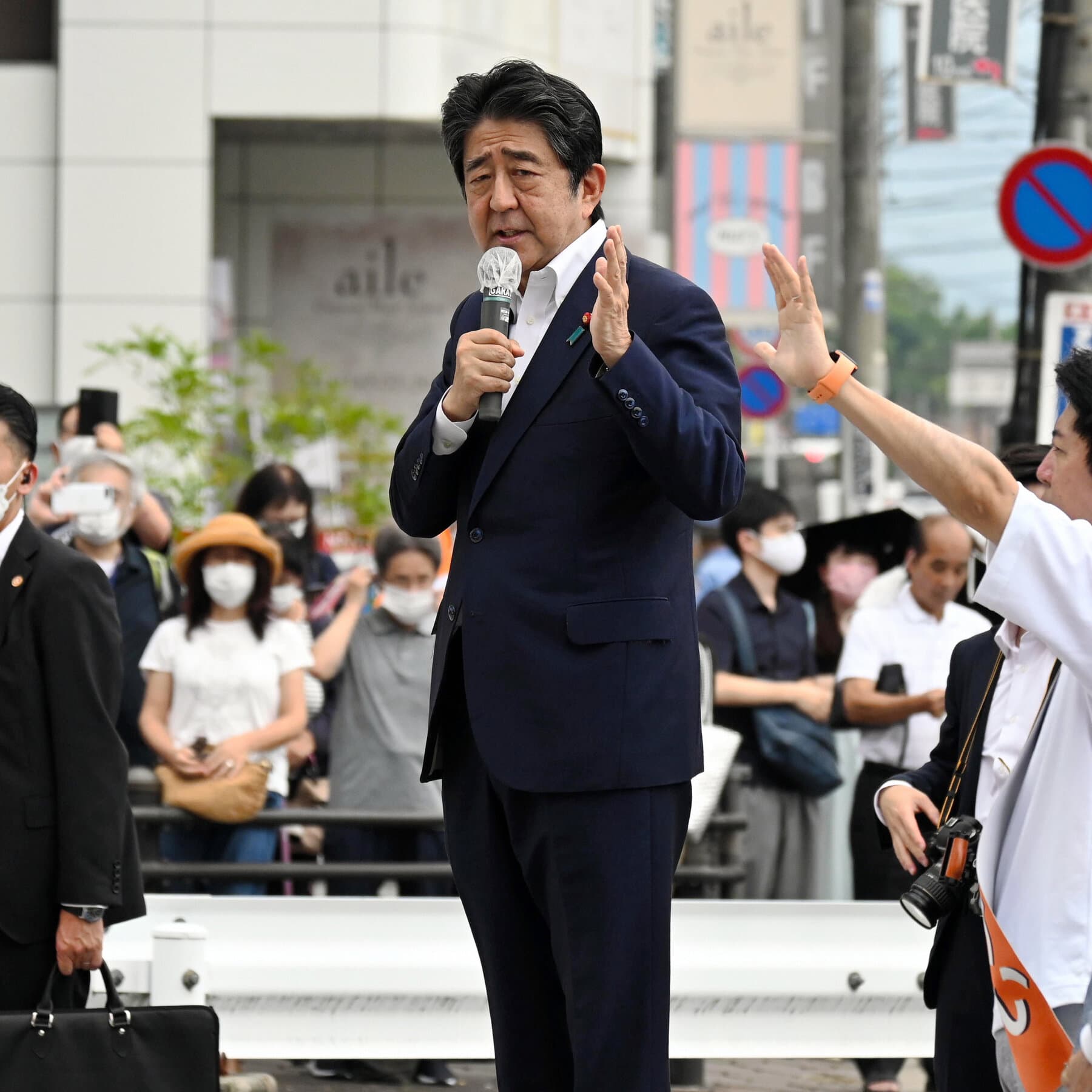
In a world increasingly defined by the tedious choreography of political theater, Japan has finally lowered the curtain on its most dramatic production in decades. Tetsuya Yamagami, the man who decided to solve his family’s financial ruin with a length of pipe and some electrical tape, has been handed a life sentence for the 2022 assassination of Shinzo Abe. It is the kind of conclusion that satisfies no one, serves nothing, and highlights the utter bankruptcy of the global political apparatus. For those who enjoy their justice served with a side of institutional hypocrisy, this is a five-course meal of the highest order.
Let’s start with the victim, Shinzo Abe, the golden boy of the Liberal Democratic Party—a party so 'liberal' and 'democratic' that it has held power for nearly the entire post-war era, turning Japan into a de facto one-party state run by hereditary dynasts. Abe was the architect of 'Abenomics,' a fiscal fever dream that promised to revive a stagnant economy by throwing money at the very corporations already strangling it. He was a nationalist whose nostalgia for a 'beautiful Japan' often looked suspiciously like a desire to ignore the 20th century’s more embarrassing atrocities. To the global elite, he was a steady hand; to the reality of the Japanese populace, he was the face of an ossified system that prioritized the status quo over the survival of its citizens.
Enter Yamagami, a 45-year-old man who didn’t belong to a radical terror cell or an ideological militia. He was just a guy with a grudge and a YouTube-derived education in ballistics. His motive wasn’t a grand political vision; it was the sheer, grinding reality of religious exploitation. His mother had been bled dry by the Unification Church—the 'Moonies'—a tax-exempt octopus that has spent decades wrapping its tentacles around the LDP. The church provided the votes and the volunteers, and in exchange, the politicians provided the legitimacy and the protection. It was a perfect, parasitic marriage of convenience, and Abe was the most prominent guest at the wedding.
The assassination itself was a masterclass in the banality of modern failure. In a country that prides itself on being the pinnacle of technological safety, the longest-serving Prime Minister was taken out by a device that looked like it had been salvaged from a dumpster behind a hardware store. It was the ultimate indictment of Japanese security: they were so convinced of their own social harmony that they forgot a man with enough resentment and a basic understanding of combustion could dismantle a legacy in three seconds. Yamagami didn't use a high-powered sniper rifle; he used a DIY project. It was a low-tech solution to a high-level problem, and the state has never forgiven him for making them look so staggeringly incompetent.
Now, Yamagami gets a life sentence. The judiciary, in its infinite wisdom, has decided that the only way to restore 'order' is to bury the man who exposed the rot. The sentencing is a performative act of cleansing. By locking Yamagami away, the Japanese state hopes to lock away the uncomfortable truth he dragged into the light: that their political leadership was inextricably linked to a predatory cult that destroyed families for profit. They want to return to the quiet, dignified stagnation of the pre-assassination era, where the LDP could continue its cozy relationship with the Moonies without the pesky interference of home-made firearms.
But the damage is done. The trial didn't just adjudicate a murder; it provided a public airing of the LDP’s dirty laundry. It forced a conversation about the Unification Church that no one in power wanted to have. In a twist of dark irony, Yamagami achieved exactly what he wanted. The church’s influence has been scrutinized, its assets are under threat, and the LDP’s approval ratings have plummeted to levels usually reserved for toxic waste spills. He traded his life for the destruction of his enemy’s reputation, a bargain that seems increasingly attractive to the millions of people living under the thumb of similarly corrupt regimes.
Of course, don’t expect a revolution. This is Japan, where the response to systemic failure is usually a polite bow and a minor cabinet reshuffle. The LDP will survive, the cult will rebrand, and the public will return to their controlled apathy. The life sentence for Yamagami is merely the bureaucratic period at the end of a very long, very ugly sentence. It provides the illusion of closure while leaving the underlying disease untreated. The Left will cry about the tragedy of a man driven to madness by a cult; the Right will demand even stricter surveillance to protect their precious leaders; and Buck Valor will be here to remind you that both sides are equally deluded. In the end, we are left with a dead Prime Minister, a man in a cage, and a political system that remains as hollow and self-serving as ever. It’s business as usual in the theater of the absurd.
This story is an interpreted work of social commentary based on real events. Source: NY Times