The High Priests of Pretend: How the European Film Awards Plan to Save Civilization with Smoldering Gazes and Scandi-Noir
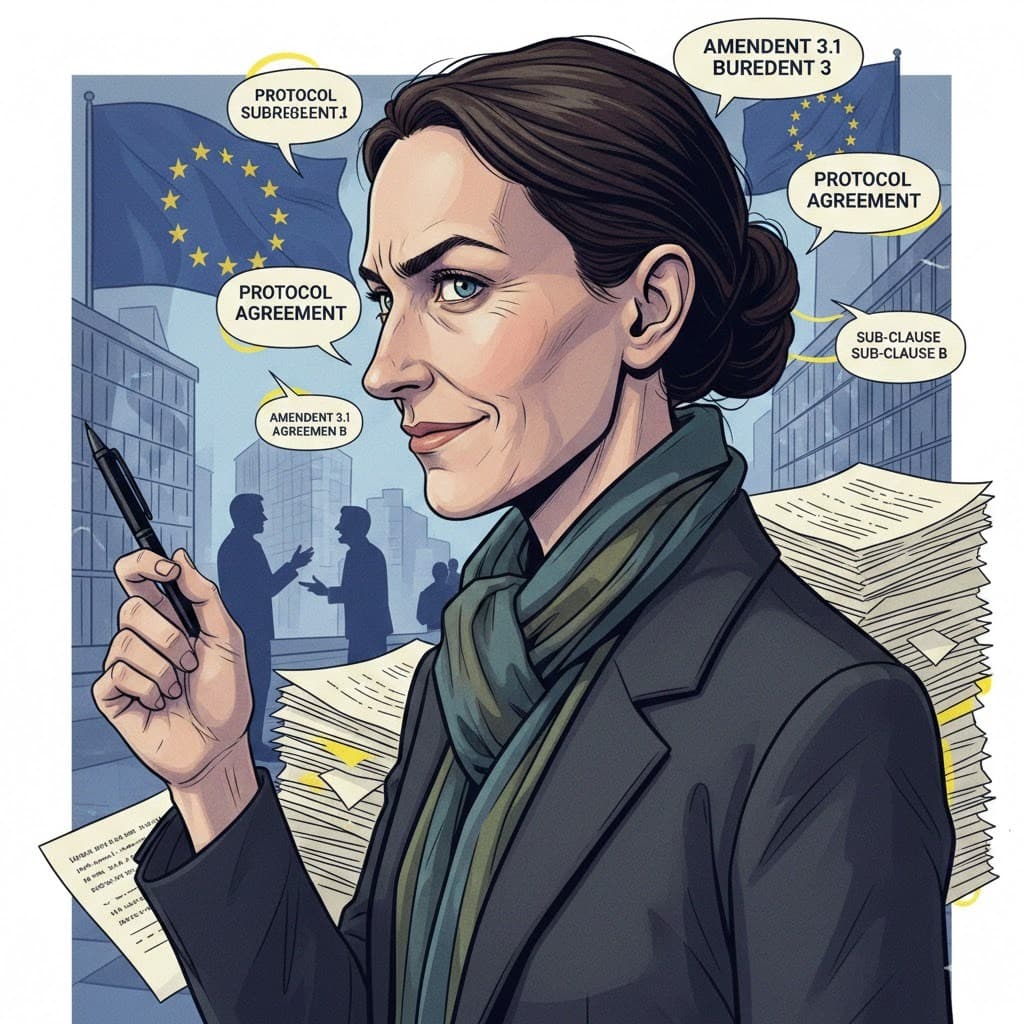
In the grand, echoing halls of European cultural relevance—which is to say, a theater populated by people whose scarves cost more than your primary residence—the European Film Awards have once again attempted to perform the secular miracle of turning celluloid into social salvation. It is a delightful spectacle of the highest order: the cinematic elite gathering to discuss if their ability to mimic human emotion on camera can somehow compensate for the fact that the actual human beings outside the theater are increasingly inclined to throw stones at one another.
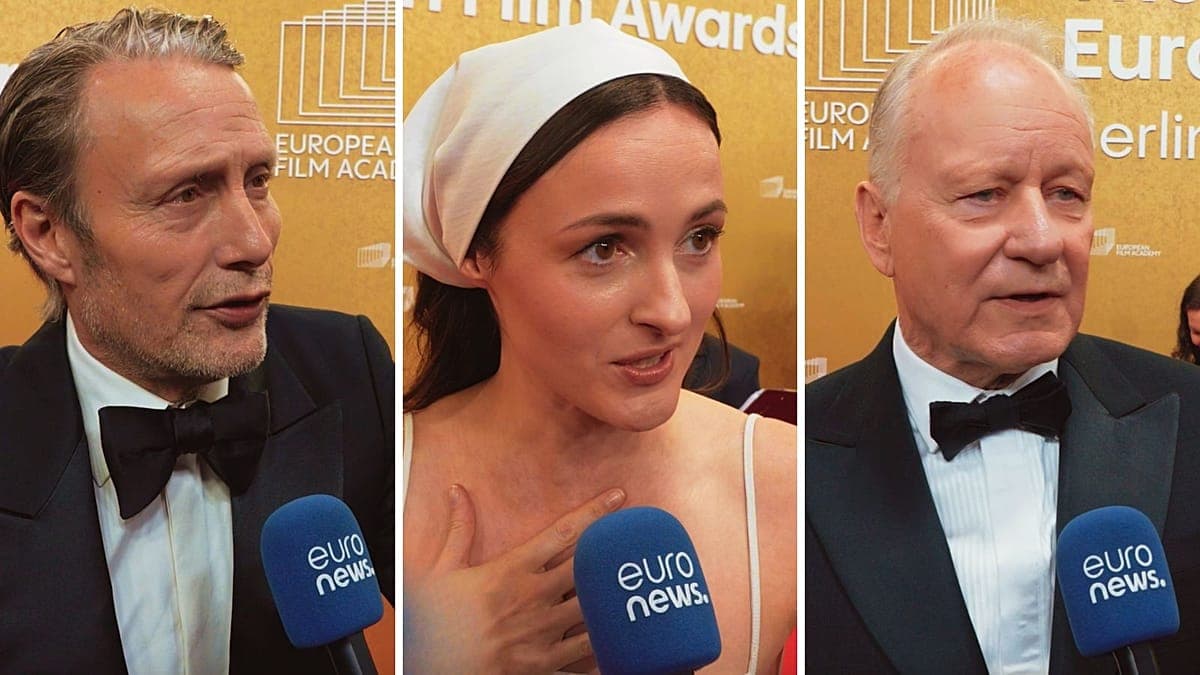
At the center of this liturgical dance of 'rehumanisation' were Mads Mikkelsen, Renate Reinsve, and Stellan Skarsgård. They were asked, with the sort of breathless earnestness usually reserved for papal inaugurations, whether cinema can counter hate and serve as a 'beacon of hope' in these dark times. It is a charmingly quaint notion, isn't it? The idea that if we simply stare long enough at a brooding Dane in a tailored suit, the structural failures of the European project will simply evaporate into the ether of a well-composed tracking shot.
Let us deconstruct this term 'rehumanise,' which was tossed around the red carpet like a cheap hors d'oeuvre. To suggest that cinema can rehumanise the masses is the ultimate manifestation of the intellectual’s burden. It implies that the common citizenry has somehow misplaced its humanity in the supermarket checkout line, and only the enlightened gaze of a Scandinavian auteur can restore it. It is peak bureaucratic paternalism, dressed up in black-tie attire. The irony is, of course, that while these actors are being lauded for their 'humanity,' they are part of a machinery that is increasingly detached from the visceral reality of the continent it purports to represent. We are told to look to the screen for hope, while the very institutions that fund these films—the sprawling, labyrinthine bureaucracies of the EU—grind their gears in a perpetual cycle of committee meetings about committee meetings, failing to address the very 'dark times' the actors are being asked to solve.
Mads Mikkelsen, a man whose cheekbones could slice through a leaden German screenplay, represents the archetype of the 'intellectual’s action hero.' He looks like he knows a secret about the existential void, but in reality, he is likely just wondering if the gala catering has a decent Bordeaux. To ask him if he is a 'beacon of hope' is an abdication of responsibility by the media and the public alike. We have reached a stage of societal decay where we no longer look to leaders or thinkers for solutions; we look to the people who are best at pretending to be leaders and thinkers. It is a tragicomic substitution of style for substance, a Hallmark card written in the style of Nietzsche.
Then we have the Skarsgård factor. Stellan, representing a dynasty of cheekbones and gravitas that provides approximately forty percent of the continent’s dramatic output, spoke of hope. Hope is the most dangerous drug peddled on the red carpet. It is the anesthetic that allows us to watch the world burn as long as the flames are captured in 4K resolution with high dynamic range. The 'darkness' mentioned by the interviewers is not a plot point in a script; it is the reality of a continent grappling with its own fading relevance. Seeking a 'counter to hate' in a movie theater is like asking a chef if his soufflé can stop a tank. It is aesthetically pleasing, perhaps even nourishing for the soul of a certain type of person who shops at organic boutiques, but it is fundamentally useless in the face of systemic collapse.
The European Film Awards serve as a perfect microcosm of the modern European condition: aesthetically impeccable, intellectually self-satisfied, and practically inert. It is a theater of the absurd where the actors have forgotten they are on a stage, and the audience has forgotten how to leave. We are rearranging the deck chairs on the Titanic, but at least the deck chairs are ergonomically designed by a Danish minimalist and the band is playing a haunting, discordant violin solo that will surely win Best Score. We don't need cinema to rehumanise us; we need it to stop lying to us that a pretty picture is a substitute for a functioning society. But alas, as long as there is a red carpet and a microphone, the high priests of pretend will continue to offer their smoldering gazes as a sacrifice to the gods of bureaucratic incompetence.
This story is an interpreted work of social commentary based on real events. Source: EuroNews