The FBI’s Schrödinger’s iPad: A Farce in Three Acts of Bureaucratic Stupidity

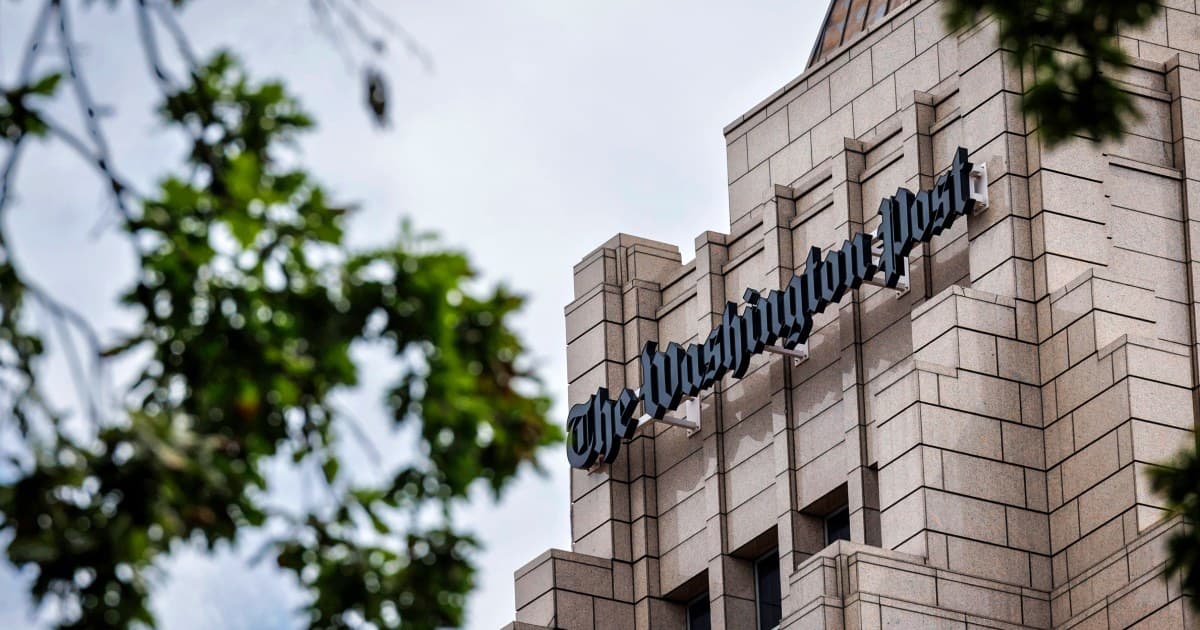
In the grand, rotting theater of the American experiment, we are treated to yet another act of performative incompetence, starring the Federal Bureau of Investigation and the self-anointed martyrs of the Washington Post. The scene is set in Virginia, the dull, beating heart of the deep state’s bedroom community, where agents recently stormed the home of a veteran reporter to seize electronic devices. It was a raid that undoubtedly involved stern faces, windbreakers, and the self-important air of men who believe they are saving the republic from a PDF file. But now, in a twist that would be hilarious if it weren’t so painfully predictable, a federal judge has told the G-men they aren’t allowed to actually look at the toys they stole.
Let us pause to appreciate the exquisite bureaucratic texture of this ruling. The judge has ordered that the government must "preserve but must not review" the materials. It is the judicial equivalent of a parent taking a teenager’s phone and putting it on the top shelf, not to investigate its contents, but simply to assert dominance while creating a massive inconvenience. The FBI currently possesses the digital soul of a journalist—phones, laptops, perhaps a stray tablet containing nothing but angry Birds high scores and drafts of self-aggrandizing op-eds—yet they sit in an evidence locker, radiating radioactive legal energy, untouched. It is Schrödinger’s Evidence: simultaneously a smoking gun and a paperweight, existing in a quantum state of uselessness until a person in a robe decides otherwise.
This entire charade highlights the profound dysfunction of the relationship between the state and the Fourth Estate. On one side, we have the Department of Justice, an entity that leaks like a sieve when it suits their political narrative but suddenly transforms into the Spanish Inquisition the moment a reporter publishes something that embarrasses the wrong undersecretary. They treat information control not as a matter of national security, but as a proprietary business model. The raid itself is the punishment. They know that by the time they legally unlock those devices, the news cycle will have moved on to the next celebrity scandal or geopolitical catastrophe. The goal isn't justice; the goal is the inconvenience. It is the weaponization of the glitch, the deliberate friction of the state machine grinding an individual down simply because it has the horsepower to do so.
On the other side, we have the Washington Post and its cadre of crusaders. While the seizure of a journalist’s notes is, in theory, a chilling assault on the First Amendment, one cannot help but roll one's eyes at the inevitable sanctimony that follows. The media class thrives on this persecution complex. Being raided by the FBI is the journalistic equivalent of earning a Medal of Honor; it validates their existence. It allows them to preen about "Democracy Dying in Darkness" while they sell subscriptions based on the drama. They act as if they are the last line of defense against tyranny, yet they spend half their time transcribed the whispers of the very intelligence agencies they claim to hold accountable. They are frenemies in a toxic marriage, staging domestic disputes for the neighbors to watch.
What makes this specific legal purgatory so delicious to observe is the sheer futility of it. The judge’s order to "preserve" the data assumes that the data is static, that truth is something you can freeze in a Ziploc bag. But in the digital age, the information has likely already been backed up, clouded, encrypted, and distributed. The physical devices are totems, relics of a bygone era where seizing the printing press meant stopping the news. The FBI is acting out a 20th-century police procedural in a 21st-century digital nebulas. They are trying to arrest the wind. They have the reporter's hardware, but they have missed the point entirely.
Furthermore, the "controversial case" hanging over this mess remains a black box of stupidity. We are asked to trust that the government has a valid reason to violate the sanctity of a free press, a request that requires a level of cognitive dissonance usually reserved for cult members. History suggests the "crime" is likely the exposure of government incompetence rather than actual treason. The state hates nothing more than a mirror. And so, the judge steps in, not necessarily as a hero of liberty, but as a referee trying to figure out if the FBI committed a foul before the game even started.
Ultimately, this ruling is a temporary dam holding back a river of sewage. Eventually, the devices will be reviewed, or they will be returned. The lawyers will bill their hours. The pundits will scream into the void. But for this brief, shining moment, we have achieved peak absurdity: The most powerful law enforcement agency in the world is sitting in a room, staring at a pile of turned-off electronics, forbidden from pushing the power button because they couldn't follow the rules of the game they rigged in the first place. It is a perfect metaphor for modern governance—heavy-handed, intrusive, and ultimately, paralyzed by its own ineptitude.
This story is an interpreted work of social commentary based on real events. Source: NBC News