Digital Grave-Robbing: The 2026 Guide to Buying Rectangular Plastic Coffins for Your Worthless Memories

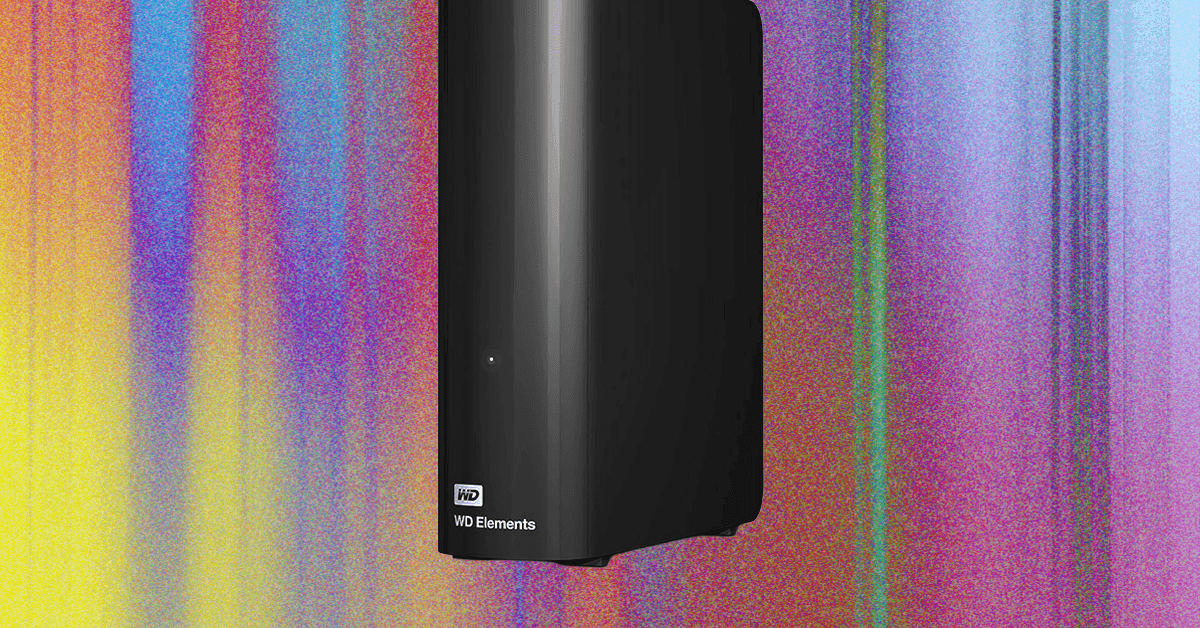
In the year of our Lord 2026, humanity has reached the absolute pinnacle of its evolutionary trajectory: we have finally developed the perfect rectangular slab of silicon and plastic to house the digital detritus of our failing species. The tech press, those breathless stenographers for the gods of consumerism, are currently salivating over the latest crop of external Solid State Drives (SSDs). Because, apparently, your 8K footage of a squirrel eating a fermented crab-apple is a cultural artifact that must be preserved at all costs, lest the future generations miss out on the exact moment your dignity evaporated into the cloud.
The 2026 guides are out, promising "solutions for every situation." What situations are these, exactly? The tech reviewers, those desperate peddlers of affiliate links who wouldn’t know a meaningful experience if it hit them with the force of a malfunctioning server rack, speak of "rugged" designs for "the field." Let’s be honest: the "field" for the average consumer of these products is the local Starbucks or, at most, a mildly dusty Airbnb in Sedona. The idea that you need a drive capable of surviving a drop from a helicopter while you’re backing up your "content" is the ultimate expression of suburban cosplay. You aren't a war correspondent; you are a person with a sourdough starter and a YouTube channel that three people—including your mother—subscribe to. Yet, the industry insists you need military-grade protection for your "data."
The word "data" itself has become a hollow vessel. In the context of 2026, data isn't knowledge; it’s a hoard. We are digital dragons sitting on piles of worthless gold—gigabytes of RAW files that will never be color-graded, terabytes of "video projects" that consist of shaky pans across restaurant tables, and millions of screenshots of things we intended to read but never did. These drives aren’t tools for productivity; they are physical manifestations of our inability to let go. We are terrified of the delete button because if we delete the digital record of our lives, we might have to reckon with the total emptiness of the present moment.
Then there is the economic comedy of the "ultrafast" transfer speed. Why do you need to move files at 40 gigabits per second? Is the creative spark so fleeting that if it takes ten minutes to back up your folder of unorganized tax returns and blurry vacation photos from Cabo, you’ll lose your genius? No. The speed isn't for you; it's for the manufacturers to justify a 30% price hike. We are being sold the illusion of efficiency to mask the reality of our stagnation. We are moving our digital trash around faster and faster, like a hamster on a wheel that has been upgraded with a turbocharger. It’s still a hamster, and it’s still going nowhere.
The cycle of planned obsolescence continues its relentless march. The 2026 drives are faster, smaller, and more "reliable" than the 2024 models, which are currently gathering dust in desk drawers because their USB-C cables feel "dated." We buy the SSD, we copy the files, and we put the drive in a drawer, convinced that our legacy is safe. Meanwhile, bit rot and hardware failure are the silent reapers of the digital age. In ten years, these "rugged" drives will be nothing more than plastic bricks, their contents unreadable, their purpose forgotten. It is the ultimate grift: selling a permanent solution for a temporary species.
The Left will tell you this is a symptom of late-stage capitalism’s need to commodify every aspect of human memory, turning our very existence into a series of billable storage tiers. The Right will argue it’s a triumph of the free market, a testament to the "innovation" that allows a teenager in a basement to store more data than the Library of Alexandria. They are both profoundly stupid. This isn't about politics or economics; it’s about the pathetic human desire to leave a mark on a world that is actively trying to erase us. We think that if we save enough files, we become immortal. In reality, we’re just making the eventual landfill slightly more toxic.
The industry thrives on this existential anxiety. They offer "professional" solutions to "creative" problems, ignoring the fact that most "creativity" in 2026 consists of remixing existing garbage into slightly different garbage. The "Best External Hard Drive" guide is actually a funeral directory. Each entry—the "best for video editing," the "best for photographers"—is just another way to categorize the things we will never look at again. We are shuffling the deck chairs on a digital Titanic, and the SSD manufacturers are the ones selling us the lifeboats. The irony is that the lifeboats are also made of sinking plastic.
Ultimately, the 2026 guide to external storage is a guide to the cemetery of human thought. We buy these things to feel prepared, to feel like "professionals," and to feel like our lives have a weight that can be measured in terabytes. But when the power goes out or the drive controller fails, all that "valuable data" vanishes into the void. And perhaps that’s for the best. The universe doesn’t need your 2026 photo library. It needs you to stop buying plastic boxes to store your delusions. But you won’t. You’ll click the link, you’ll buy the drive, and you’ll keep hoarding your digital nothingness until the sun burns out or your credit card expires—whichever comes first.
This story is an interpreted work of social commentary based on real events. Source: Wired