Mexico’s Thirty-Seven Pieces of Silver: A Masterclass in Avoiding ‘Freedom’ from Above

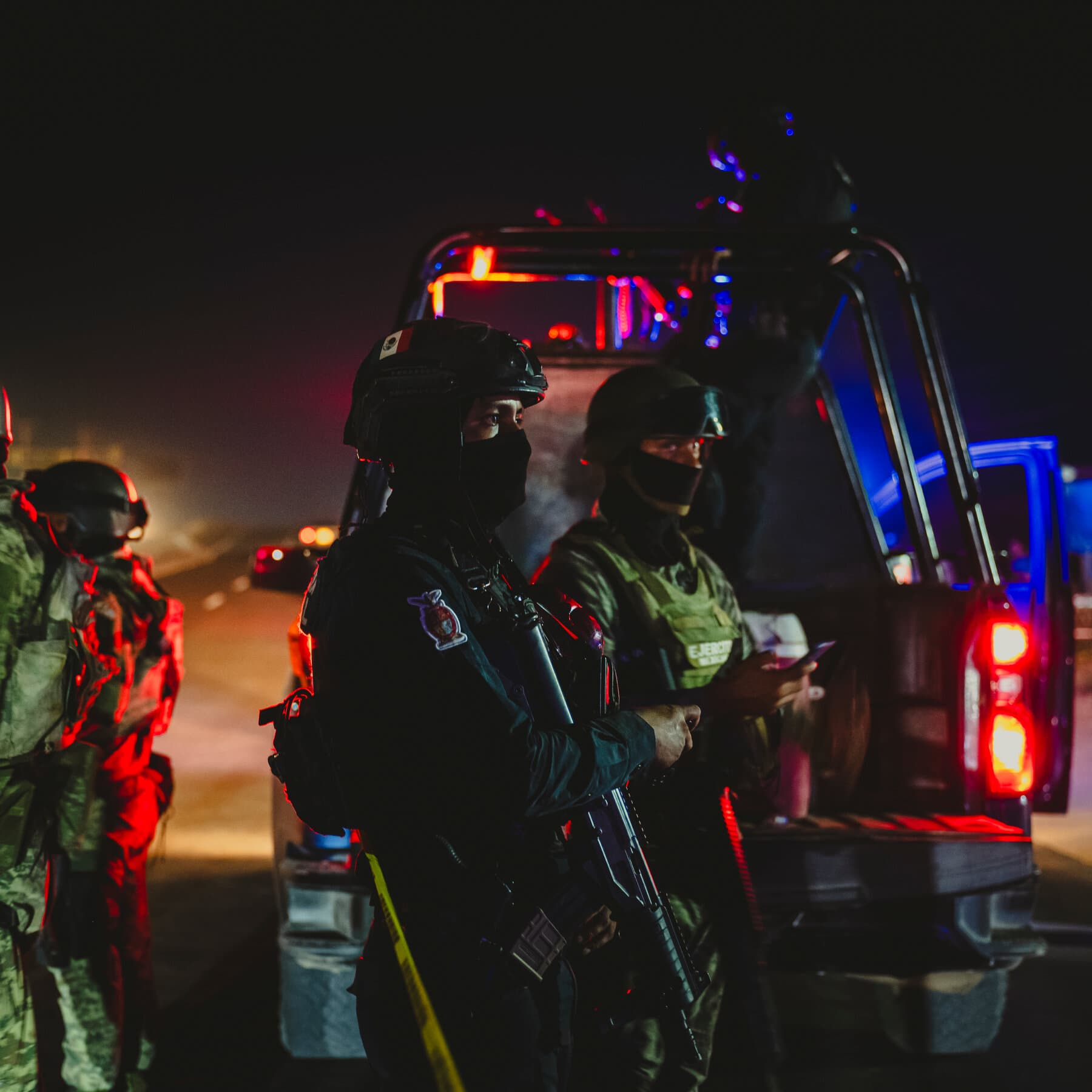
There is something inherently pathetic about watching the gears of international diplomacy grind under the weight of a toddler’s tantrum. We find ourselves yet again in the theater of the absurd, where the script is written in crayon and the stakes are human lives—not that anyone involved actually values those. In a display of what can only be described as geopolitical ‘please-don’t-hit-me’ energy, Mexico has dutifully packaged thirty-seven alleged criminals and shipped them north of the border. This wasn’t a triumph of law enforcement; it was a fire sale. It was the desperate act of a neighbor trying to quiet a barking dog by throwing a steak—or in this case, thirty-seven warm bodies—over the fence.
The motivation for this sudden burst of administrative efficiency is, of course, the looming threat of ‘kinetic diplomacy.’ Our former and perhaps future Dear Leader, Donald Trump, has spent the last few months treating the prospect of airstrikes on Mexican soil with the same casual nonchalance one might use when choosing a brand of breakfast cereal. To the Right, this is ‘strength.’ To the Left, it’s a ‘humanitarian crisis.’ To anyone with a functioning frontal lobe, it’s a terrifying reminder that the world is governed by people who think Michael Bay movies are instructional documentaries. Mexico, realizing that sovereignty is a fragile concept when faced with a man who views the Geneva Convention as a suggestion box, decided that extradition was a small price to pay for not being turned into a series of smoking craters.
Let’s analyze the ‘thirty-seven.’ A nice, round, completely arbitrary number. One wonders how the selection process worked. Did they draw names from a hat? Did they simply pick the thirty-seven people with the least influential lawyers? It matters very little. In the grand, rotting tapestry of the War on Drugs, these individuals are nothing more than lint. Removing thirty-seven mid-to-high-level operatives from a cartel ecosystem is like trying to stop a flood by removing thirty-seven drops of water with a pair of tweezers. The vacancies were likely filled before the extradition plane even hit cruising altitude. But the point isn’t to stop the flow of fentanyl; the point is to satisfy the optics. It’s a performance. Mexico pretends to be ‘cleaning house,’ and the U.S. government pretends that this ‘victory’ will somehow fix the fact that half of its population is trying to numb the pain of existence with chemicals.
The Right is currently salivating at the idea that ‘bullying works.’ They see this as a validation of the ‘America First’ doctrine, ignoring the inconvenient reality that turning a neighboring country into a war zone might have some slightly negative side effects—like, say, a migration wave that would make current numbers look like a weekend retreat. They don’t want solutions; they want the endorphin rush of seeing someone else blink first. Meanwhile, the Left will issue sternly worded press releases about ‘regional stability’ while quietly being relieved they don’t have to actually address the domestic demand that fuels the entire bloody enterprise. They are two sides of the same counterfeit coin, both profiting from the chaos while pretending to be the only ones capable of solving it.
Mexico’s President, Claudia Sheinbaum, is walking a tightrope made of razor wire. She has to maintain the fiction of Mexican dignity while effectively acting as a suburban HOA board member trying to appease the neighborhood’s most unhinged resident. Sending these thirty-seven individuals to the U.S. is a tactical retreat, a way to buy time in a game where the clock is always running out. It is the ultimate cynicism: sacrificing a few dozen souls to the American judicial system—a system that is itself a bloated, inconsistent mess—just to ensure that the sky doesn’t start falling.
We live in an age where ‘justice’ is a currency used to purchase temporary peace from bullies. There is no moral high ground here. There is only the low, swampy ground of political survival. The cartels aren’t worried; they know that as long as the demand exists, the supply will find a way. The politicians aren’t worried; they have their headlines. The only people who should be worried are the rest of us, watching as the world’s leaders treat international law like a game of ‘Stop Hitting Yourself.’ It is a boring, predictable, and utterly soul-crushing spectacle. But hey, at least we got our thirty-seven prizes. I’m sure the world is much safer now. Pass the whiskey; I’d rather be numb for the next act.
This story is an interpreted work of social commentary based on real events. Source: NY Times