The Magic Mountain in Ruins: A Vulgar Wake for the Globalist Fantasy
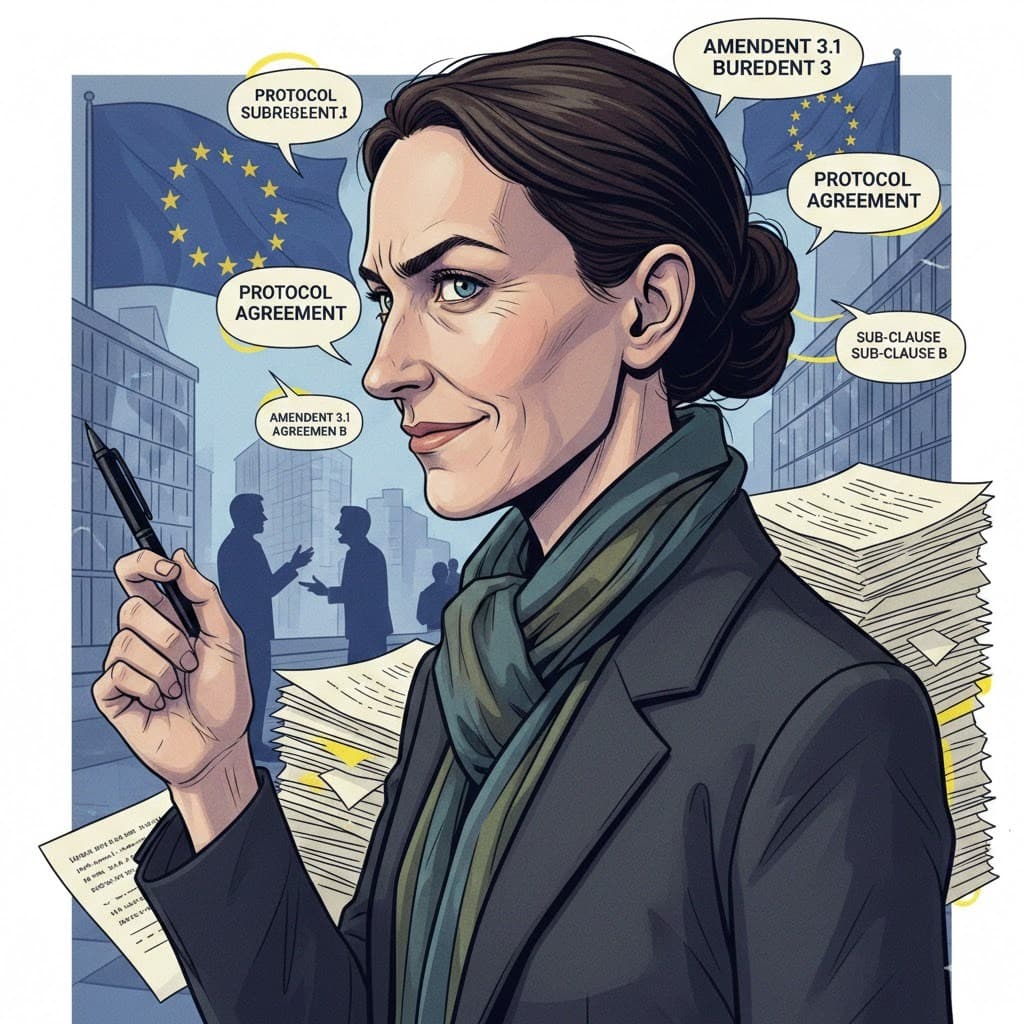
It is a grimly delicious irony that the annual pilgrimage of the global elite to the Swiss Alps—a ritual dedicated to the self-congratulatory preservation of the status quo—has finally met its definitive antithesis. For decades, the World Economic Forum in Davos has functioned as a high-altitude safe space for the plutocratic class, a place where CEOs, prime ministers, and select celebrities could trade platitudes about a 'shared future' while the world beneath them smoldered in resentment. They built a cathedral of neoliberal consensus, fortified by expensive canapés and the unshakeable belief that if one simply uses enough buzzwords like 'sustainability,' 'stakeholder capitalism,' and 'synergy,' the unwashed masses will remain docile and the markets will remain buoyant.
But this week, the thin air of the Alps could not sustain the delusion. The arrival of President Donald Trump did not merely disrupt the proceedings; it exposed the entire gathering as a piece of theater that has run far past its final curtain call. The clash between 'Trump’s World' and the 'Old World' was not a debate. It was a collision between a freight train and a house of cards. The summary of the event suggests a 'bracing clash,' a polite euphemism for what was essentially a public undressing of the European intelligentsia's impotence. The Davos crowd, accustomed to the soft power of diplomacy and the gentle friction of technocratic disagreement, found themselves face-to-face with the raw, transactional id of American nationalism. It was a spectacle of uncomfortable revelations, primarily that the 'Old World' no longer possesses the gravity to pull the American orbit back into alignment.
To understand the depth of this tragedy—or comedy, depending on your level of detachment—one must appreciate what Davos represents to its devotees. It is the physical manifestation of the post-World War II order. It is built on the premise that global problems require global solutions, managed by a benevolent aristocracy of experts. It is a world of rules, norms, and carefully calibrated statements. Into this porcelain shop stumbled the Bull of Mar-a-Lago. Trump’s worldview is the antithesis of the Davos ethos. He does not believe in a 'shared future.' He believes in a zero-sum game where for America to win, someone else must lose, preferably publicly and humiliatingly. He did not come to Switzerland to collaborate; he came to dictate terms to a room full of people who still mistakenly believe they are his peers.
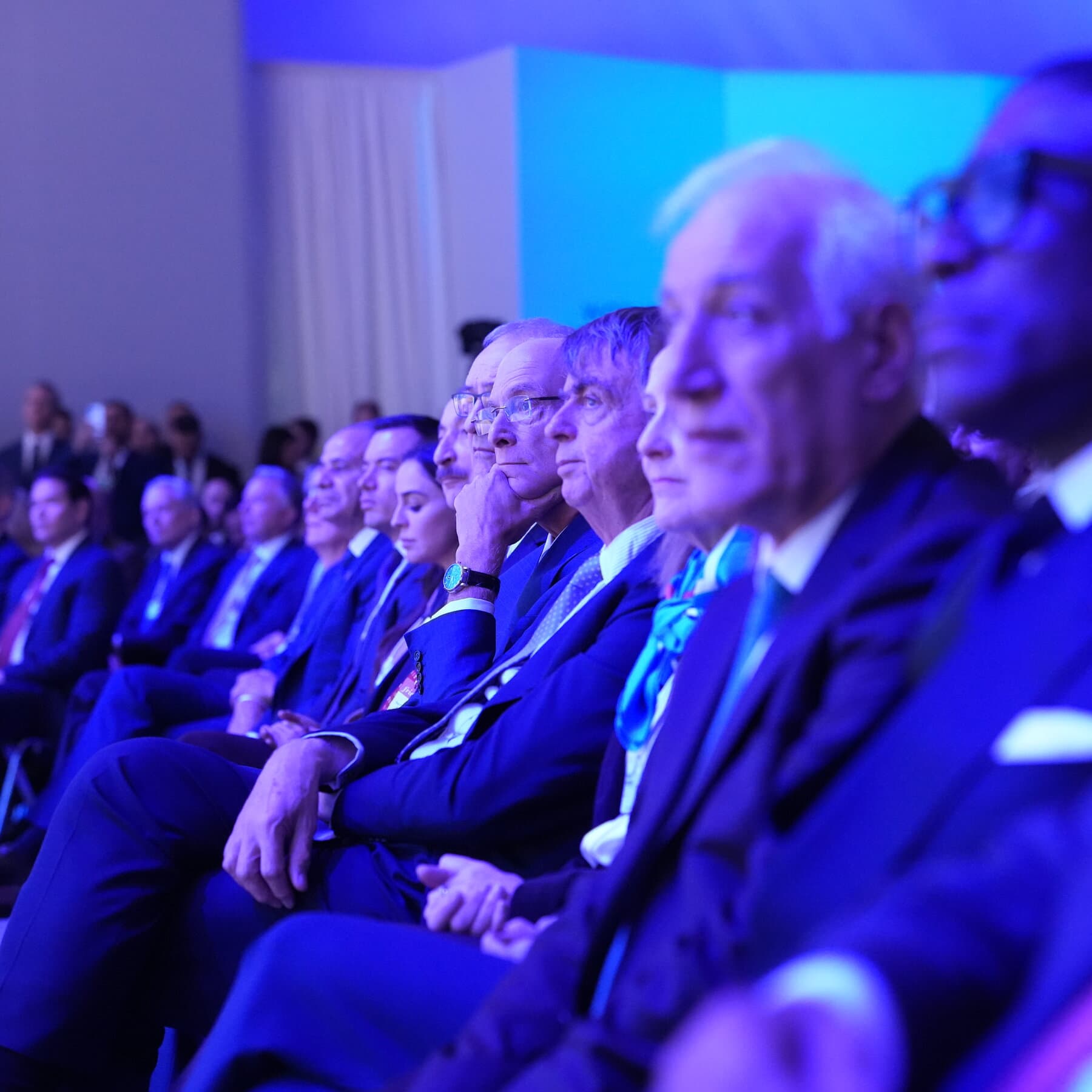
The discomfort in the room must have been palpable, thick enough to cut with a silver dinner knife. The European leaders, trapped in their tailored suits and their outdated frameworks, looked on with the bewildered expressions of silent film stars trying to comprehend a talkie. They are the guardians of a system that assumes rationality and mutual benefit. They speak in the language of cooperation, climate accords, and trade liberalization. Trump speaks in the language of leverage, tariffs, and national ego. When these two worlds collide, there is no synthesis. There is only the stark realization that the 'Old World' has no mechanism to discipline a superpower that has decided to stop pretending it cares about the collective good.
What is most scathing about this encounter is not Trump’s behavior—which is as predictable as the tides—but the utter fragility of the Davos consensus he shattered. If the 'Old World' values were truly robust, if the liberal international order were as resilient as its architects claim, a single speech by a disruptor-in-chief would not cause such existential panic. The panic reveals the truth: the Davos set knows, deep down in their terrified souls, that their era is over. They are merely pantomiming authority in a vacuum. Trump didn't kill the globalist dream; he just had the rudeness to point out the corpse in the corner of the ballroom.
We are left, then, with a tableau of profound absurdity. On one side, the beleaguered defenders of a crumbling institutional order, clinging to their scripts and their dignity like passengers on a sinking luxury liner insisting on formal wear for dinner. On the other, the brash avatar of the new nationalism, tearing up the seating chart and demanding the captain's hat. It is a clash that offers no winners, only a clarifying look at the chaos to come. The 'shared future' they speak of is dead. What remains is a fragmented reality where the loudest voice wins, and sophistication is nothing more than a liability. As the private jets depart and the snow settles back over the Alps, the silence left behind is not one of peace, but of a vacuum waiting to be filled by the next disaster.
This story is an interpreted work of social commentary based on real events. Source: NY Times